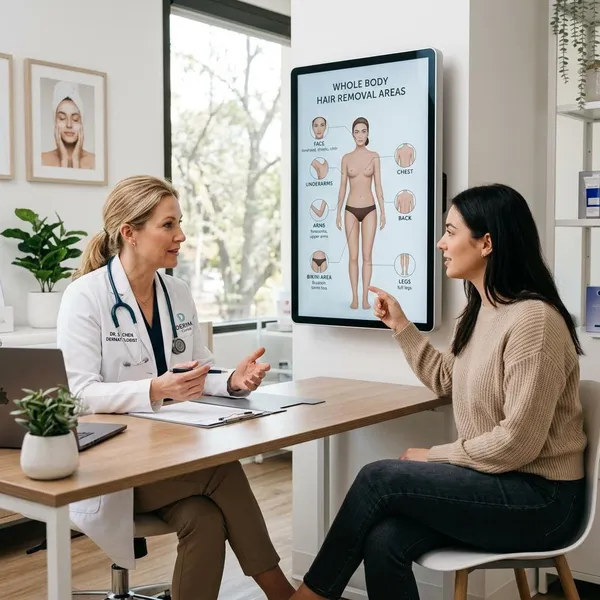
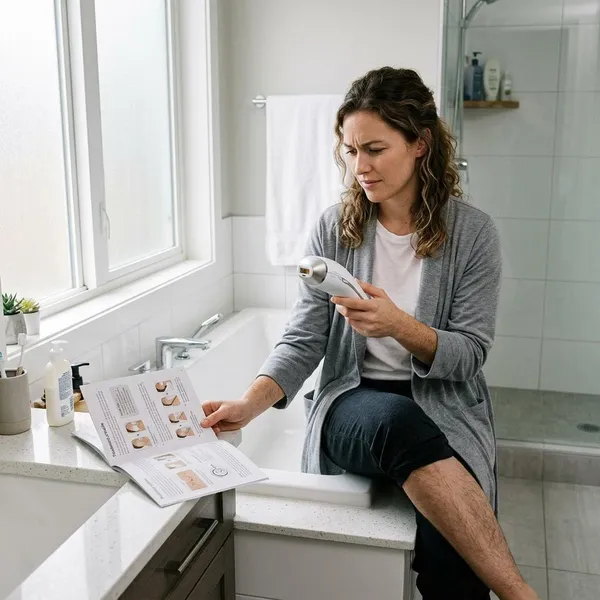
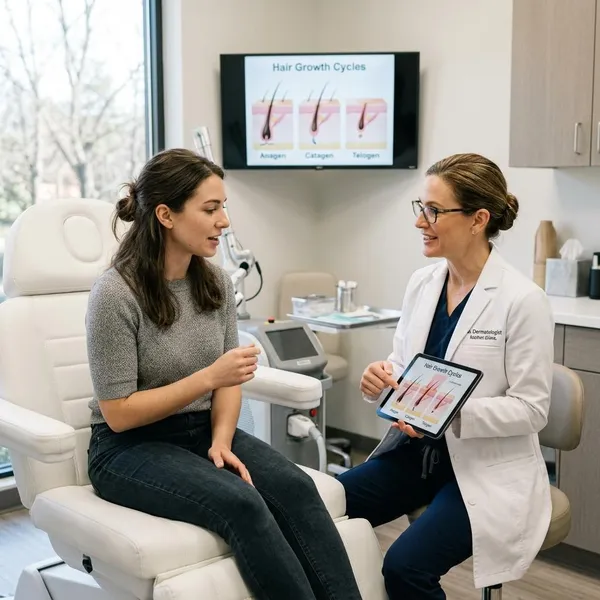
When you compare at-home IPL hair removal device vs professional salon costs, the cheaper choice is usually the home device, but only if your skin tone, hair color, and habits fit the method. Salon treatment costs more because you are paying for stronger equipment, trained handling, and fewer DIY decisions. The first thing to check is not the price tag alone, but whether you want the lowest long-term spend or the fastest, most supervised route.
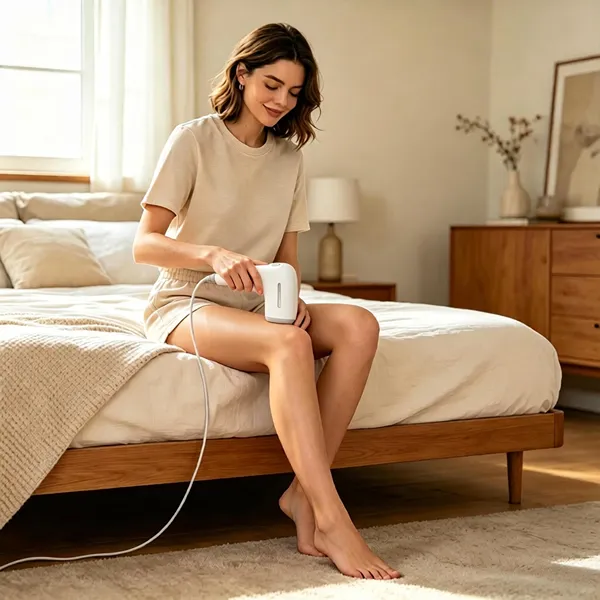
At Home IPL vs Professional Salon Hair Removal Cost Comparison
The basic cost difference is simple: an at-home IPL device is usually a one-time purchase, while salon IPL or laser hair removal is paid for across repeated appointments. That makes the home option look cheaper quickly, especially if you treat more than one area.
Still, the better comparison is the full treatment period plus maintenance. A low device price does not help if you stop using it after two weeks, and a salon package may feel expensive but save time if you want a larger area treated evenly.
Upfront cost of buying an IPL device
Most at-home IPL devices sit roughly in the $150 to $400 range, with some premium models costing more. For that price, you usually get enough flashes for months or years of use, although some older or lower-cost models may need replacement cartridges.
The upfront cost makes most sense when you plan to use the device regularly. For example, a $250 device used on underarms, bikini line, and lower legs spreads that cost across many sessions and several body areas. Used twice and forgotten in a drawer, it becomes an expensive experiment.
Average cost of professional salon sessions
Professional sessions are usually priced by treatment area. A small area may cost around $50 to $100 per visit, while larger areas such as legs, chest, or back can be several hundred dollars per session depending on the clinic, city, and technology used.
The price also reflects technician time, consultation, equipment, and the fact that professional systems are typically stronger than home devices. One appointment may not sound too expensive, but hair reduction needs repeated sessions, so the total builds quickly.
Total cost over a complete treatment period
For a full course, at-home IPL often stays close to the device price, while salon treatment commonly reaches hundreds or thousands of dollars. A realistic cost check looks like this:
| Cost point | At-home IPL | Professional salon treatment |
|---|---|---|
| Starting cost | Usually about $150-$400 for the device | Often $50-$300+ per session |
| Full initial course | Often the same device purchase, plus time | Often 6-12 visits, depending on area and response |
| Best value case | Small to medium areas used consistently at home | Large, dense, awkward, or higher-risk treatment areas |
If your goal is broad hair reduction on a budget, home IPL usually wins the numbers. If your goal is faster visible reduction with less self-management, the salon price may feel more reasonable.
Long-term maintenance costs
Maintenance is where home IPL often saves the most. Once you own the device, occasional touch-ups usually cost nothing beyond your time.
Salon maintenance can still mean paying for individual appointments, even if they are less frequent than the initial course. This matters for people with recurring hormonal growth or anyone who wants year-round smoothness rather than a short summer-only routine.
Which Option Saves More Money Over Time
At-home IPL is usually the lower-cost option over time, but it is not automatically the better buy. The money only turns into value if the device is suitable for your skin and hair, and if you keep using it long enough to replace salon visits.
When at-home IPL has the lower total cost
Home IPL has the strongest cost advantage when you have darker hair, a compatible skin tone according to the device chart, and enough patience for gradual results. It is especially practical for underarms, bikini line, upper lip, and lower legs because these areas are manageable to treat yourself.
- Multiple areas: one device can cover several zones instead of paying per area.
- Long-term use: maintenance touch-ups stay cheap after the first purchase.
- Flexible routine: you can treat at night, on weekends, or between salon-worthy regrowth stages.
- Budget-first goal: slower results may be acceptable if the savings matter more.
When salon treatments may justify higher prices
Salon treatment can justify the higher cost when you want stronger technology, professional assessment, and faster progress. It may also be the more sensible choice for dense hair, hard-to-reach areas, or skin tones that are not ideal for standard consumer IPL devices.
How treatment area changes the overall value
Small areas usually favor home IPL because the sessions are short and a few avoided salon visits can cover the device cost. Large areas are less clear-cut: treating full legs at home can take patience, careful overlap, and many repeated sessions.
- Upper lip or underarms: home IPL often reaches break-even quickly.
- Bikini line: home use gives privacy, but careful settings and patch testing matter.
- Full legs: home IPL saves money, but salon treatment may save time.
Back or shoulders: professional help is often more practical because self-coverage is difficult.
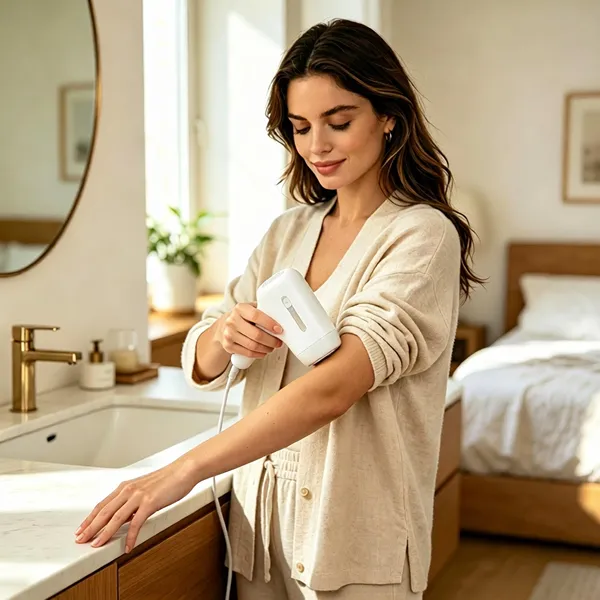
How At Home IPL and Salon Treatments Compare
Cost is only one part of the decision. The real trade-off is control versus support: home IPL gives you privacy and low ongoing cost, while salon treatment gives you stronger equipment, a schedule, and someone trained to adjust the approach.
Differences in technology and treatment intensity
At-home IPL devices are designed with lower energy output for consumer use. That lower intensity is part of why they are cheaper and safer to use without a technician, but it also means results usually take more sessions.
Professional salons may use stronger IPL systems or true lasers, depending on the provider. Lasers can be more targeted, and some systems are better suited to certain skin tones or hair types. Stronger treatment is not automatically safer, though; it depends on correct settings, proper assessment, and staff experience.
Differences in convenience and scheduling
Home IPL wins if you hate appointments. You can treat when your skin is shaved, clean, and not rushed, without travel time or clinic availability getting in the way.
The downside is that nobody is keeping you accountable. If you are the kind of person who starts routines enthusiastically and then skips them, salon appointments may work better because the schedule is already built for you.
Differences in treatment speed and professional support
Professional treatment is usually faster, especially for larger areas. A trained technician can cover skin more evenly, adjust the plan when needed, and notice irritation patterns you might miss at home.
- Choose home for privacy: useful for intimate areas or people who prefer DIY grooming.
- Choose salon for support: helpful if you are nervous about settings, reactions, or uneven results.
- Choose based on effort: home treatment saves money but asks for more consistency.
For a low-risk user treating small areas, the extra support may not be worth the price. For someone with reactive skin, darker skin tone, or previous irritation from light-based treatments, professional guidance can be the safer investment.
Results and Treatment Commitment
Both options require patience because hair grows in cycles. The difference is that salon treatment often delivers stronger reduction in fewer visits, while home IPL tends to work gradually and depends heavily on your routine.
Expected number of sessions for at-home IPL
Many at-home IPL brands suggest weekly or biweekly use during the first 8 to 12 weeks, followed by occasional maintenance. Some people notice slower regrowth early, while others need longer before the change feels obvious.
Expected number of sessions for salon treatments
Professional hair removal often takes around 6 to 8 sessions for noticeable reduction, although some areas or hair types need more. Appointments are commonly spaced several weeks apart so they match the hair growth cycle.
Long-term hair reduction and maintenance needs
Neither at-home IPL nor salon treatment should be treated as a guaranteed permanent cure. A better expectation is long-term hair reduction: less frequent shaving, finer regrowth, and occasional touch-ups.
Home IPL works well for people who are comfortable treating maintenance like normal grooming. Salon treatment may produce a stronger initial reduction, but each future touch-up may add cost. If you want the lowest maintenance spending, owning a device is hard to beat; if you want the least DIY effort, salon visits may still be worth paying for.
How to Choose Between At Home IPL and Salon Treatment
Start with three checks: your skin and hair compatibility, the area you want to treat, and whether you will actually follow the schedule. Price comes next, because the cheapest option is not useful if it does not fit your body or habits.
Choose at-home IPL for lower cost and flexibility
Choose at-home IPL if you want the lowest long-term cost and you are comfortable doing the work yourself. It is a good fit for people treating smaller areas, maintaining results year-round, or avoiding repeated salon bills.
It also suits someone who would rather do short private sessions at home than book appointments. Just be honest about consistency: if you will not use the device regularly during the first treatment phase, the savings are mostly theoretical.
Choose salon treatment for speed and professional guidance
Choose salon treatment if you want faster progress, stronger equipment, or help choosing safe settings. This is especially worth considering for larger areas, stubborn hair, darker skin tones, or anyone who has had poor results from a home device.
For darker skin tones, do not assume every salon is automatically suitable. Ask what technology they use, whether they regularly treat your skin tone, and how they reduce the risk of burns or pigmentation changes.
Choose based on budget goals and treatment habits
A quick decision rule helps: pick home IPL if you are budget-focused, compatible with the device, and patient enough for gradual results. Pick salon treatment if you value speed, supervision, and even coverage more than the lowest total cost.
- Check compatibility first: skin tone and hair color decide whether home IPL is realistic.
- Check the area second: small areas favor home; large or awkward areas may favor salon care.
- Check your habits third: skipped home sessions reduce results and waste money.
- Check the full cost last: include maintenance, not just the first payment.
Conclusion
At-home IPL is usually the smarter financial choice if your skin and hair are suitable and you can stay consistent, especially for smaller areas and long-term maintenance. Salon treatment costs more, but the higher price can make sense when you need stronger technology, faster results, safer handling for more complex skin concerns, or help with large and difficult areas. The best choice is the one you will use properly, not just the one with the lowest first payment.