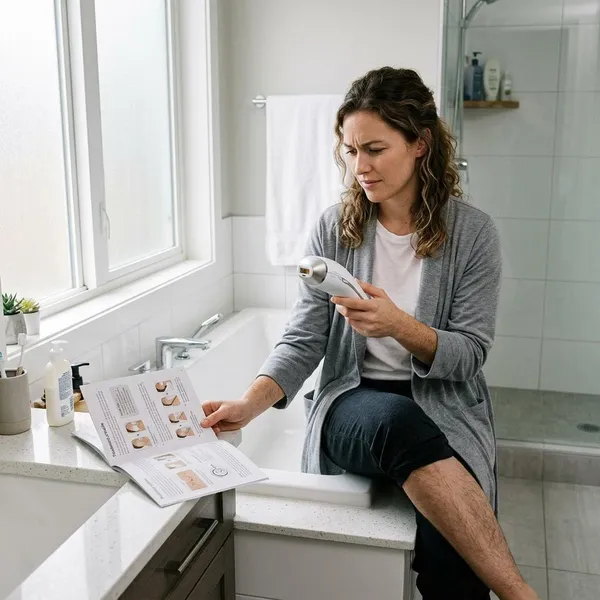
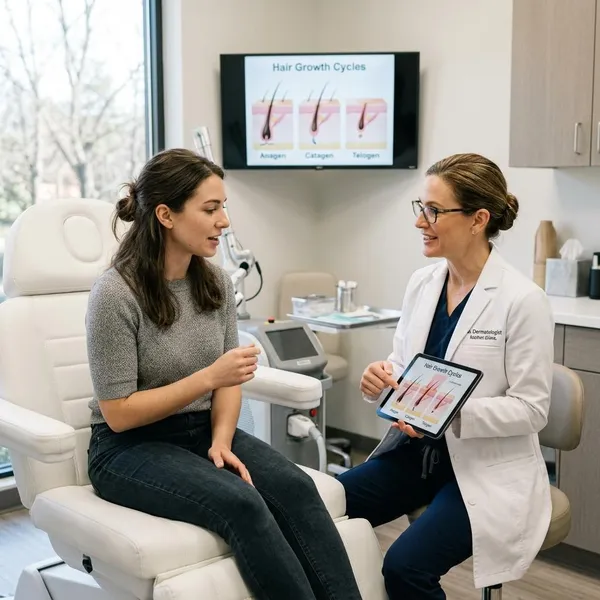
Whole body hair removal is possible, but the best plan is rarely one method for every area. Start by checking which body zones you actually want treated, then match each area to the result you want: quick smoothness, several weeks of removal, long-term reduction, or permanent removal for specific hairs.

What does whole body hair removal include?
A "full body" or whole-body package usually covers the larger, visible areas first, but it does not automatically mean every hair from head to toe. The exact coverage depends on the clinic, salon, device, and treatment method.
Arms, legs, and underarms
Arms, legs, and underarms are usually the easiest areas to include because they are common treatment zones for shaving, waxing, creams, IPL, and laser. Legs take the most time because they cover a large surface, while underarms are small but often worth longer-term treatment because the hair can be coarse and fast-growing.
Chest, back, and stomach
Chest, back, and stomach areas are often included in full-body plans, especially for people who find torso hair difficult to maintain at home. The back is a good example: shaving it evenly by yourself is awkward, so waxing or laser may be more practical than repeated DIY upkeep.
The stomach area needs a clear definition. Some providers include the full abdomen, while others only include the lower stomach or the line below the navel.
Face and bikini areas if included
Face and bikini areas are the ones most likely to be treated as separate add-ons. Facial treatment may mean only the upper lip and chin, not the full face. Bikini treatment may mean a basic bikini line, an extended bikini, or Brazilian-style removal.
- Choose more caution for delicate skin: face and bikini areas are more likely to react with redness, bumps, or irritation.
- Check device limits: home IPL tools may allow some facial use but restrict areas near the eyes or intimate skin.
- Ask for exact wording: "bikini included" can mean very different things between providers.
Exclusions that vary by provider
Common exclusions include the scalp, eyebrows, inner nose, ears, areas close to the eyes, tattoos, broken skin, active rashes, and sometimes intimate areas. These limits are not just sales details; they often exist because the area is harder to treat safely.
Which methods suit whole body hair removal?
The main difference between methods is how deeply they affect the hair. Shaving and creams work near the surface, waxing and sugaring remove hair from the root, laser and IPL reduce future growth over time, and electrolysis treats individual follicles for permanent removal.
| Method | Best fit | Main tradeoff |
|---|---|---|
| Shaving | Fast upkeep before an event or trip | Results last a short time |
| Creams | Approved large body areas at home | Skin reaction risk if misused |
| Waxing or sugaring | Weeks of smoothness | Needs regrowth between sessions |
| Laser or IPL | Long-term reduction on suitable hair | Requires repeated sessions |
| Electrolysis | Permanent removal for small areas | Slow for large full-body coverage |

Shaving for quick upkeep
Shaving is the simplest choice when you need smooth skin quickly and do not want a big upfront cost. It works well for legs, underarms, arms, and some torso areas, but the result may last only a day or a few days depending on your growth pattern.
Creams for approved body areas
Depilatory creams can be useful on areas the product label clearly approves, such as legs, arms, chest, or stomach. They dissolve hair close to the skin surface, so they may feel smoother than shaving for a little longer.
The important rule is not to improvise. Do not use a body cream on the face, bikini area, or sensitive skin unless the product specifically says it is suitable there, and never leave it on longer than the stated time.
Waxing or sugaring for root removal
Waxing and sugaring suit people who want smoother skin for weeks rather than days. They are practical for legs, arms, underarms, back, chest, and bikini areas when you can tolerate the discomfort and allow enough regrowth before the next session.
Sugaring may feel gentler for some people, but technique matters more than the name of the method. If you often get ingrown hairs, plan aftercare before the appointment instead of trying to fix bumps once they appear.
Laser or IPL for lasting reduction
Laser and IPL are better for reducing repeated grooming than for removing every hair forever. They usually work best on darker hair because the light targets pigment, while very light blonde, white, gray, or red hair often responds poorly.
For someone tired of shaving underarms every few days or managing a large back area all year, professional laser can be worth considering. For someone who only wants occasional summer smoothness, the time and cost of a full course may feel excessive.
Electrolysis for permanent removal
Electrolysis is the strongest option when the goal is permanent removal of specific hairs, and it can work on hair colors that laser may not treat well. The drawback is speed: each follicle is treated individually, so full-body electrolysis is usually a long and expensive commitment.
A more realistic use is targeted cleanup. For example, someone may use laser for dense leg or underarm hair, then choose electrolysis for stubborn facial hairs or small areas that still bother them.
How to choose a full-body treatment
Choose by priority, not by the method that sounds most advanced. The first question is whether you want temporary smoothness, less frequent maintenance, long-term reduction, or permanent removal in selected areas.
Then look at your skin, hair color, pain tolerance, schedule, and total cost. A mixed routine is often more sensible than forcing one treatment across every body zone.
Check suitability for each body area
Separate your body into large areas, sensitive areas, and detail areas. Large areas such as legs, arms, chest, and back need efficient methods. Sensitive areas such as the face, underarms, and bikini line need more caution. Detail areas may be better suited to precision work.
- Large areas: shaving, waxing, laser, or IPL are usually more practical than electrolysis.
- Sensitive areas: patch testing and provider experience matter more than speed.
- Small stubborn hairs: electrolysis may be worth considering if permanence matters.
Match the method to your skin and hair
Laser and IPL depend heavily on the contrast between hair pigment and skin, so a professional assessment is important if you have deeper skin, very light hair, or a history of pigmentation changes. Shaving and waxing are less dependent on hair color, but they can still be rough on reactive skin.
If you have eczema, active irritation, frequent ingrown hairs, a tendency to scar, or unexplained sudden hair growth, choose the cautious route. That may mean delaying treatment, treating fewer areas first, or speaking with a healthcare professional before committing to a full-body plan.
Decide how long you want results to last
If you want smooth skin for a weekend, shaving or a suitable cream may be enough. If you want several weeks, waxing or sugaring is a better match. If your goal is to reduce grooming for months or longer, laser or IPL becomes more relevant.
Permanent removal is a different goal. Electrolysis is usually better for a few hairs you want gone for good than for a whole-body makeover.
Consider discomfort and treatment time
Comfort can decide whether you actually stick with the method. A whole-body wax may be finished in one longer appointment but can be painful in sensitive areas. Laser sessions are spread out over time, and electrolysis can take many appointments for even modest areas.
Think about your real schedule. If you travel often, have a low pain tolerance, or hate waiting for regrowth, the "best" method on paper may not be the easiest one to maintain.
Compare total costs and upkeep
Compare one full year, not one appointment. Include supplies, travel, repeat sessions, touch-ups, and the time you spend maintaining the result.
- List every area: mark must-have zones and optional zones separately.
- Choose your result type: temporary, weeks-long, long-term reduction, or permanent removal.
- Price the full routine: include repeat visits, tools, and maintenance products.
- Test before scaling up: try one small area or complete a patch test before treating many zones.

How to plan whole body hair removal safely
Safety becomes more important when you treat many areas, because irritation can build up across the body. The safest plan is to check restrictions first, prepare for the specific method, test your skin, avoid risky zones, and follow aftercare by area.
Do not treat freshly sunburned, irritated, infected, or broken skin. If a professional provider says an area should be delayed, that is usually a safety decision rather than an inconvenience.
Review health and medication restrictions
Some medications and health conditions can make hair removal riskier. Photosensitizing medication, recent strong acne treatments, topical retinoids, active infections, keloid scarring history, and recent tanning are all reasons to ask more questions before treatment.
Sudden or unusual hair growth is also worth taking seriously, especially on the face or chest. Hair removal may improve the appearance, but it will not address a possible underlying trigger.
Follow method-specific preparation
Preparation changes by method. Laser often requires shaving beforehand while avoiding waxing or plucking, because the follicle needs to remain present. Waxing and sugaring need enough regrowth for the hair to grip. Creams should be used only on clean, intact skin and timed carefully.
Complete required patch tests
A patch test is a small step that can prevent a large reaction. Use it before creams, wax, IPL, or laser when the product, device, provider, or body area is new to you.
Check more than immediate redness. Look at how the area feels later, whether bumps appear, and whether the skin tone changes. If the small test area reacts badly, a full-body session is not worth the risk.
Avoid tattoos and restricted areas
Laser and IPL should not be used over tattoos because pigment can absorb energy and increase the risk of burns or skin damage. Many devices and providers also restrict areas near the eyes, raised moles, open skin, and certain intimate zones.
Follow aftercare for each treated area
Aftercare should match the treatment and the body zone. Recently treated skin usually does better with gentle cleansing, loose clothing, reduced friction, and sun protection when exposed.
- After shaving: moisturize lightly and avoid harsh scrubs if the skin feels raw.
- After waxing or sugaring: reduce heat, tight clothing, and friction for a short period.
- After laser or IPL: protect treated skin from strong sun and avoid extra heat if the area feels warm.
- Get help if needed: blistering, severe swelling, spreading rash, pus, or unusual pain is not normal irritation.
Conclusion
The most sensible whole-body plan starts with your highest-priority areas, not with the biggest package name. Use quick methods when you only need short-term smoothness, consider waxing or sugaring when you want a few weeks of results, and look at laser, IPL, or electrolysis only when the time, cost, skin suitability, and safety rules make sense for your situation.