At home, "permanent" hair removal usually means long-term reduction, not a guarantee that every hair is gone forever. Home IPL and laser devices can make regrowth slower, finer, and patchier, but if you want true follicle-by-follicle permanence, professional electrolysis is still the stronger option.
Is permanent hair removal possible at home?
For most people, fully permanent hair removal at home is not realistic. The better expectation is permanent hair reduction: fewer hairs, slower regrowth, and less frequent shaving after repeated treatment.
Home devices reduce regrowth
Home IPL and laser devices can be worthwhile if your goal is easier maintenance. Someone treating legs before summer may be happy with shaving less often and seeing thinner regrowth, even if a few hairs still return. For daily shaving irritation or recurring ingrown hairs, that reduction can feel like a big improvement.
- Best case: dark hair, lighter to medium skin, consistent use.
- Less reliable: blonde, red, gray, or white hair.
- Higher caution: darker skin tones unless the device is specifically approved for them.
Professional electrolysis removes hair permanently
Electrolysis is the method most widely recognized for permanent hair removal because it treats individual follicles with electrical energy. It does not rely on dark hair pigment, which makes it useful for light, gray, or stubborn facial hairs that IPL may not handle well.
The tradeoff is time and cost. A small patch on the chin may be practical for electrolysis; a full pair of legs usually means many appointments. Some people use IPL or laser for broad reduction first, then electrolysis for the remaining problem hairs.
Which home methods reduce hair growth?
If you want hair to grow back less over time, focus on home IPL or home laser devices. Shaving, waxing, threading, epilators, and depilatory creams remove hair temporarily, but they do not usually create lasting follicle reduction.
IPL uses broad-spectrum light
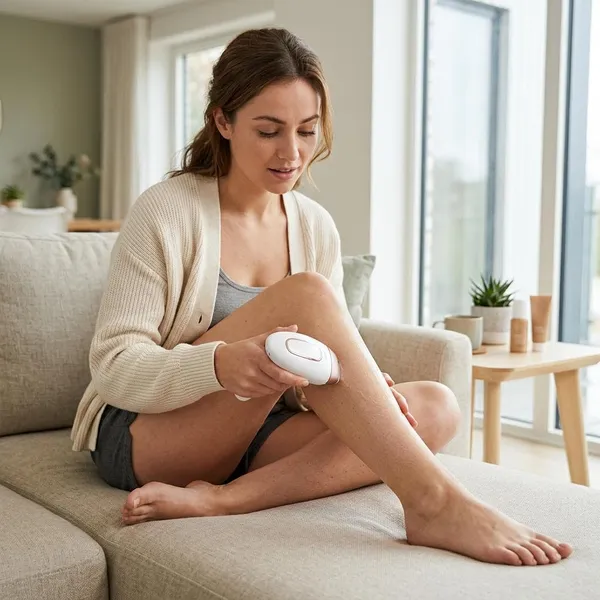
IPL uses broad-spectrum light that is absorbed by pigment in the hair. It is common in home devices because it can cover larger areas fairly quickly, so it often suits legs, arms, underarms, and bikini-line maintenance.
Think of IPL as a practical option for broad, routine reduction. It is not the most targeted technology, but for a person with dark body hair who wants less shaving through the year, it can be convenient enough to stick with.
Laser uses a single wavelength
Laser uses one wavelength of light, so it is more focused than IPL. Some home laser devices appeal to people treating smaller areas or coarser hair, such as underarms or parts of the bikini line.
- Choose by fit, not label: "laser" is not automatically better than IPL at home.
- Check the approved areas: a body device may not be safe for facial use.
- Expect lower power than clinics: home devices are designed for safer self-use, not clinic-level intensity.
What affects your results at home?
Your result depends more on suitability and routine than on marketing claims. Before buying, check three things in this order: whether your skin tone is approved, whether your hair color has enough pigment, and whether you can realistically follow the treatment schedule.
Skin tone and hair color
Light-based devices need enough contrast between hair and skin. Dark hair absorbs the energy better, while very light hair often gives the device too little pigment to target. Very dark skin can require extra caution because the skin itself may absorb more light, depending on the device.
If your tone or hair color sits near the edge of the brand's chart, do not guess. Check the chart before purchase, look for built-in skin tone sensing if relevant, and consider a dermatologist's advice if you have a history of pigmentation issues.
Treatment area and hormones
Legs, underarms, and bikini areas often respond more predictably than facial hair. Chin or upper-lip hair can be more stubborn, especially when growth is influenced by PCOS, menopause, thyroid changes, or other hormonal shifts.
That does not mean home treatment is useless for facial hair, but it changes the expectation. A person treating underarms may aim for months of easier maintenance; a person treating hormone-driven chin hairs may need ongoing touch-ups or professional electrolysis for the hairs that keep returning.
Device suitability and use
A suitable device should match the area you actually plan to treat. A small precision head can be useful around the upper lip if facial use is approved, but it becomes tedious on legs. A fast body device may be comfortable for large areas but too bulky for small contours.
- Large areas: look for speed, glide mode, and comfortable handling.
- Small areas: look for a precision attachment and clear facial-area approval.
- Sensitive skin: cooling features or lower intensity settings may make consistency easier.
Consistency and maintenance
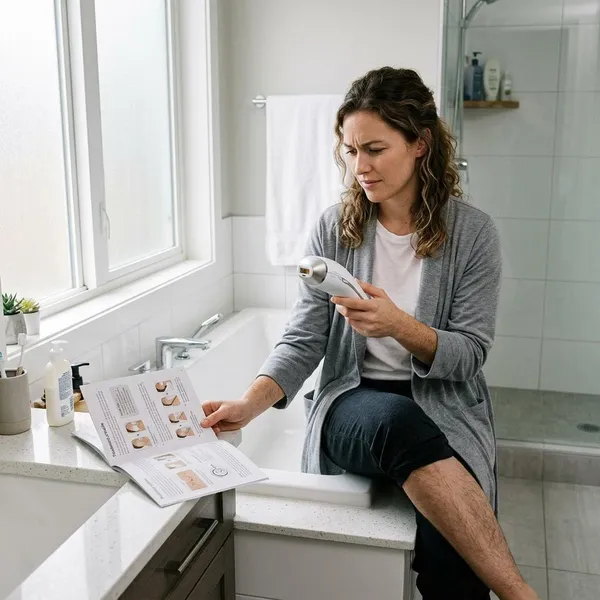
Stopping early is one of the most common reasons people decide a device "doesn't work." Most devices need a startup phase followed by occasional maintenance, and the exact timing should come from the manual rather than guesswork.
Maintenance is not failure. If shaving drops from every day to occasional cleanup, the device may be doing its job even though it has not made the area permanently bare.
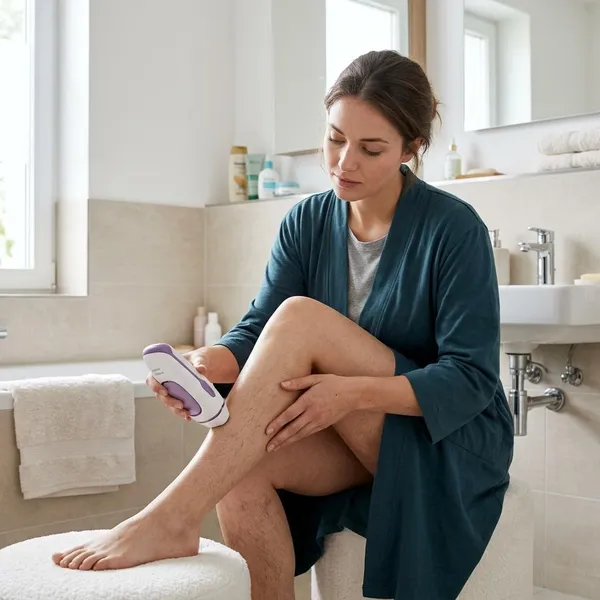
How to use a home device safely
Safety comes before results. Home IPL and laser tools are lower-powered than professional machines, but incorrect use can still cause burns, irritation, pigment changes, or eye injury.
Check suitability and restrictions
Read the skin tone, hair color, medication, and treatment-area warnings before the first session. Pause if you have recent tanning, irritated skin, active eczema, unusual moles in the area, or a medication that may increase light sensitivity. When in doubt, ask a clinician rather than testing on a large visible area.
Follow patch test instructions
Patch test on a small area using the setting recommended by the manual, then wait the stated time before treating more skin. This is especially useful when switching from legs to underarms or face, because different areas can react differently.
If you see blistering, strong swelling, lasting pain, or unusual darkening or lightening, stop using the device and get medical advice.
Prepare skin as directed
Most home IPL and laser devices work on shaved, clean, dry skin. Waxing, tweezing, or plucking before treatment is usually a mistake because it removes the hair root the light needs to target.
- Shave if instructed: short hair helps energy reach below the surface.
- Remove residue: skip lotion, deodorant, oils, makeup, and self-tanner on the area.
- Do not treat broken skin: wait until irritation or cuts have healed.
Avoid tattoos and restricted areas
Do not use light-based devices over tattoos, dark moles, or areas the manufacturer excludes. Dense pigment can absorb too much energy, raising the risk of burns or unwanted skin changes.
Be especially careful with facial use. If a device allows it, it will usually limit treatment to specific areas such as below the cheekbones. Never improvise near the eyes.
Follow treatment and aftercare instructions
Use the schedule and intensity levels given for your device. More flashes, tighter overlap, or extra sessions may only increase irritation. After treatment, keep the area calm: avoid hot baths, harsh exfoliation, strong actives, and heavy fragrance if the skin feels sensitive.
Sun exposure can make treated skin more reactive, so follow the device's sun-care guidance and protect the area when needed. If redness or discomfort lingers longer than expected, wait before the next session instead of pushing through.
Conclusion
Home IPL or laser can be a good choice when you want less shaving, finer regrowth, and easier maintenance, especially on suitable dark hair and approved skin tones. If you want every hair gone permanently, have very light hair, or are dealing with stubborn hormone-driven facial growth, professional advice and electrolysis are usually the more realistic path.