If you are considering a handheld IPL hair removal device, check compatibility before anything else: your skin tone, hair color, and treatment areas decide whether it is a sensible buy. Home IPL can reduce regrowth over time, but it is not an instant replacement for shaving and it is not suitable for every skin and hair combination.
How Does a Handheld IPL Hair Removal Device Work?
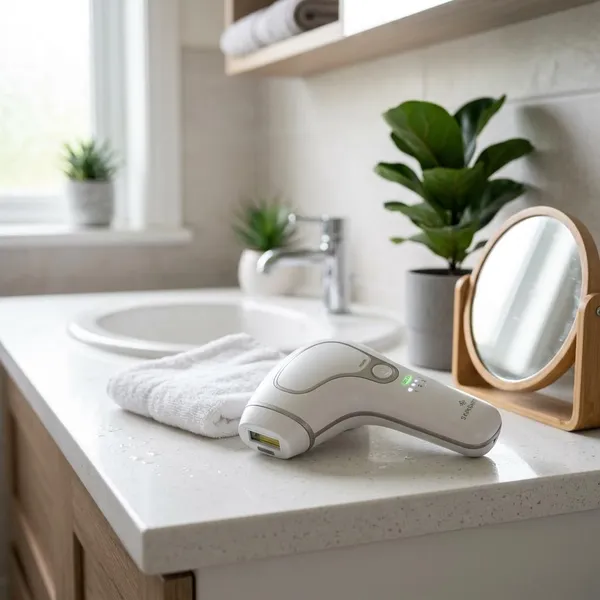
A handheld IPL device sends controlled pulses of light into the skin. The light is absorbed by pigment in the hair, turns into heat, and helps weaken the follicle so future growth becomes slower or finer.
IPL light targets pigment inside hair follicles
IPL stands for intense pulsed light. It relies on melanin in the hair to absorb the light energy, which is why dark brown and black hair usually respond better than red, gray, white, or very light blonde hair.
This pigment-based action also explains the safety limits. If the surrounding skin absorbs too much light, the chance of irritation can increase, so the device must match your skin tone range.
Repeated treatments slow future hair growth
Do not expect one flash session to clear an area. After several treatments, many users first notice that shaved areas stay smoother for longer, then later see thinner or patchier regrowth.
That makes IPL useful for someone who is tired of shaving every few days, but less useful for someone who wants immediate smooth skin tonight. You may still shave between sessions, especially during the early phase.
Hair growth cycles affect treatment results
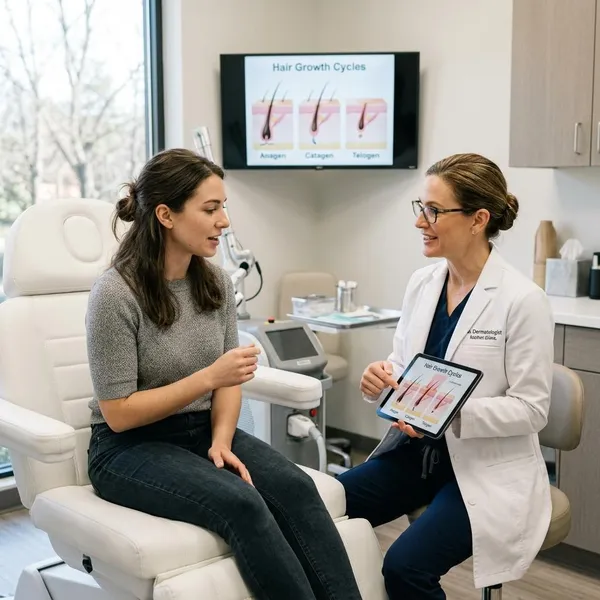
Patchy progress is normal because hairs are not all in the same growth phase at the same time. IPL is most effective when a hair is in an active growth stage, so repeated sessions increase the chance of reaching more follicles at the right moment.
A practical way to judge progress is not "Is every hair gone?" but "Am I shaving less often, and is the regrowth softer or slower?" That is a more realistic home IPL benchmark.
Who Is a Handheld IPL Device Best For?
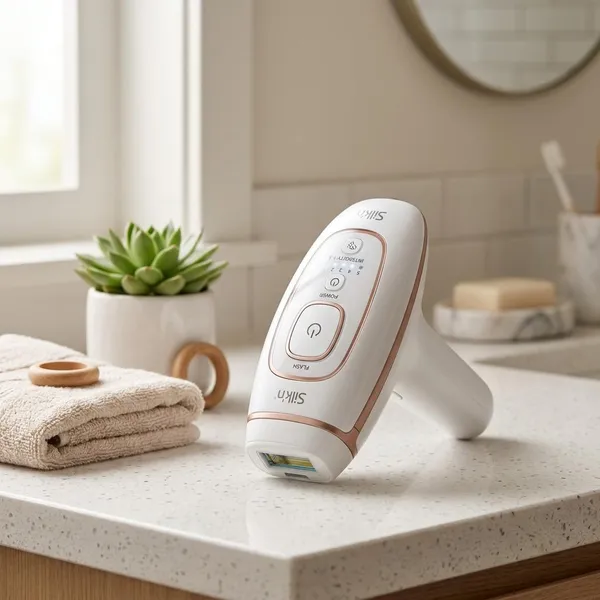
A handheld IPL device is best for users who are compatible with the technology and willing to follow a regular schedule. It suits long-term grooming more than quick fixes.
The best fit is usually someone treating visible body hair at home, especially on areas that need frequent shaving or waxing. If your skin tone or hair color falls outside the device chart, choose another method rather than forcing IPL.
Users with suitable skin tone and hair color
The easiest match is darker hair on lighter to medium skin tones, because the device can target the hair pigment more clearly. Some newer devices support a wider range of tones, but each model has its own limits.
- Good candidate: dark hair, supported skin tone, no recent sunburn on the treatment area.
- More cautious candidate: skin tone near the darkest supported shade, sensitive skin, or areas with frequent tanning.
- Poor candidate: very light blonde, white, gray, or red hair, because there may not be enough pigment to target.
People treating legs arms face and other body areas
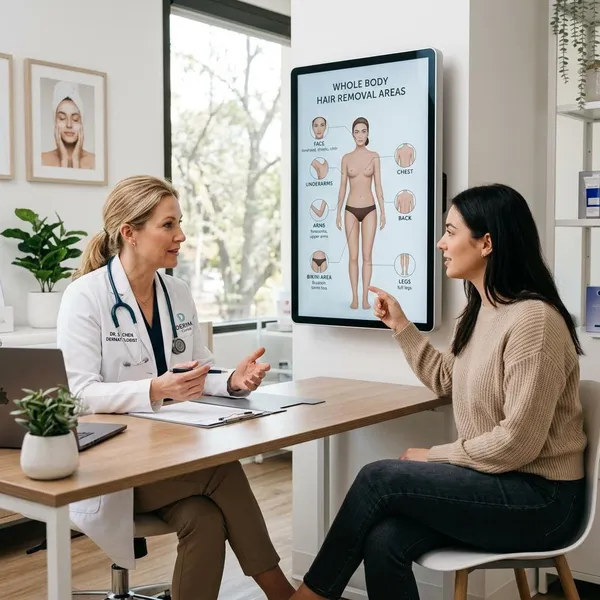
Legs, arms, underarms, bikini line, chest, and some facial areas are common IPL targets, but not every device handles every zone equally well. Larger windows help on legs, while smaller attachments are easier around the upper lip, chin, fingers, knees, and bikini line.
If your main goal is summer leg maintenance, speed matters. If you want to treat the face or bikini area year-round, comfort, precision, and approved-use instructions matter more than the fastest flash rate.
Users looking for a convenient alternative to shaving and waxing
IPL makes the most sense when shaving or waxing feels repetitive, expensive, irritating, or hard to keep up with. It does not give the instant clean finish of shaving, and it does not remove hair from the root like waxing, but it can reduce how often you need either one.
- Choose IPL for routine control: you want slower regrowth over months.
- Keep shaving for instant smoothness: you need same-day results.
- Be careful after waxing: IPL needs the follicle present, so follow the device instructions on when to switch methods.
What Results Can You Expect From Handheld IPL?
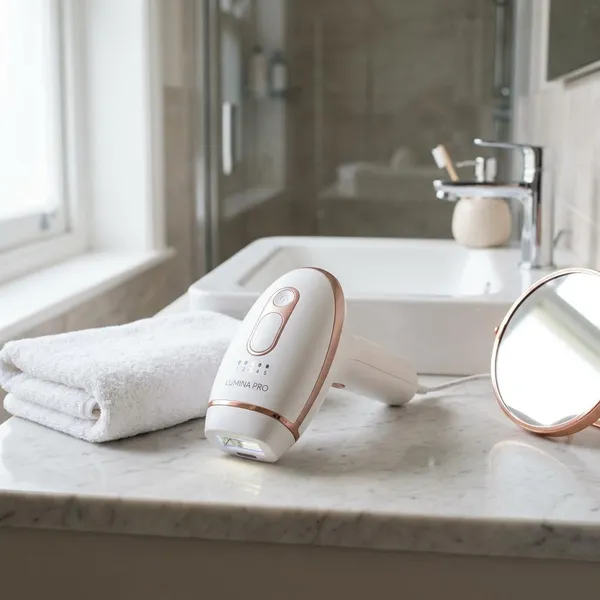
Expect gradual hair reduction, not permanent removal after a few flashes. The outcome depends on your hair color, skin tone, treatment area, hormones, and consistency.
For one person, success may mean smoother legs with much less shaving. For another, especially on hormonal areas such as the chin or bikini line, success may mean slower regrowth rather than completely bare skin.
How long it takes to see visible hair reduction
A realistic first check is usually after several weeks of regular use. Some people notice slower regrowth after three or four weeks, while others need longer before the difference is obvious.
- Early sessions: hair may look unchanged or shed unevenly.
- Middle phase: gaps between shaving often become longer.
- After the initial routine: many users switch to occasional maintenance.
Why consistent use improves results
Consistency matters because each session only reaches some follicles at the useful growth stage. Skipping too many sessions can make results look random, even with a good device.
Why maintenance treatments are still needed
Even after good results, some follicles can recover and new growth may appear over time. Hormonal changes can also make areas such as the face or bikini line more stubborn.
Maintenance is not a failure of the device; it is part of how home IPL is normally used. The benefit is that upkeep often becomes lighter than shaving daily or booking regular waxing appointments.
What Features Matter When Choosing a Handheld IPL Device?
The best features are the ones that make treatment safer, easier, and more likely to become a habit. A long spec list is less important than compatibility, comfort, and whether the device suits the areas you actually plan to treat.
Use this order when comparing models: safety first, comfort second, speed third, extras last.
Skin tone sensors and safety controls
For a first home IPL device, a skin tone sensor is one of the most useful features. It can help confirm whether the area is within the supported range, and some models adjust or block flashes when the skin tone is unsuitable.
Also look for contact sensors, UV filtering, and clear intensity guidance. These details are especially helpful if you are treating curved areas where poor skin contact can make flashing uneven.
Cooling technology and comfort features
Comfort decides whether many people keep using IPL. Cooling plates, sapphire cooling, gentle modes, and sensitive-area settings can make underarms, bikini line, and facial areas feel more manageable.
If you have low heat tolerance, sensitive skin, or plan to treat several zones in one session, comfort features are not just nice extras. They can be the difference between using the device regularly and leaving it in a drawer.
Flash speed and treatment area coverage
Large areas need speed. A faster flash rate, wider treatment window, and glide mode can make legs, arms, chest, or back less tedious.
| Treatment priority | Feature to value most | Why it matters |
|---|---|---|
| Both legs regularly | Fast flashes and glide mode | Keeps sessions from feeling too long |
| Upper lip or chin | Precision head and lower settings | Improves control on small areas |
| Bikini line or underarms | Cooling and curved contact | Helps with sensitive, uneven zones |
Intensity levels attachments and ease of use
Adjustable intensity gives you room to start low and increase only if your skin tolerates it. That matters because the setting that feels fine on legs may feel too strong near the bikini line or face.
- Useful attachment: one that solves a real area problem, such as a small facial cap.
- Useful control: simple buttons or a clear display you can understand mid-session.
- Useful design: a grip and weight that do not make longer sessions awkward.
How to Choose the Right Handheld IPL Device
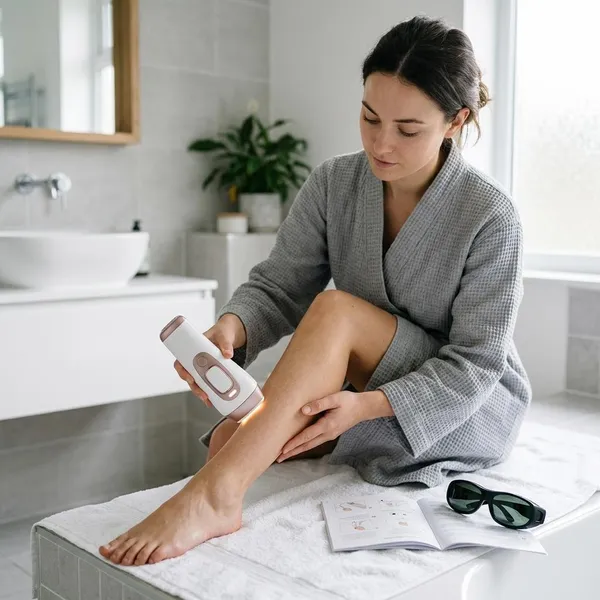
Choose the device that fits your body and routine, not the one with the loudest marketing claims. A safe match that you can use consistently will usually beat a feature-heavy model that feels uncomfortable or slow.
Choose based on your skin tone and hair type
Use the compatibility chart as the first filter. If your hair color or skin tone is outside the supported range, do not rely on higher intensity to "make it work." That can increase irritation risk without improving results.
If your skin tone is near the darker end of the supported range, give more weight to a reliable skin sensor, lower starting settings, and cautious patch testing. If your hair is dark blonde or medium brown, expect progress to be slower than with very dark hair.
Choose based on treatment areas and routine
Map the device to your real routine. Someone treating lower legs before summer needs different priorities from someone managing facial hair every week.
- Mainly legs and arms: prioritize speed, window size, and comfortable grip.
- Mainly face: choose a model approved for facial use with a precision attachment.
- Mainly bikini or underarms: look for lower intensity options and cooling.
- Travel or quick touch-ups: consider whether cordless use matters more than uninterrupted power.
Choose based on comfort budget and long-term use
A cheaper device may be fine for small, occasional areas, but long-term use changes the calculation. If you plan to treat large areas for years, better ergonomics, more comfort settings, and stronger safety features can be worth paying for.
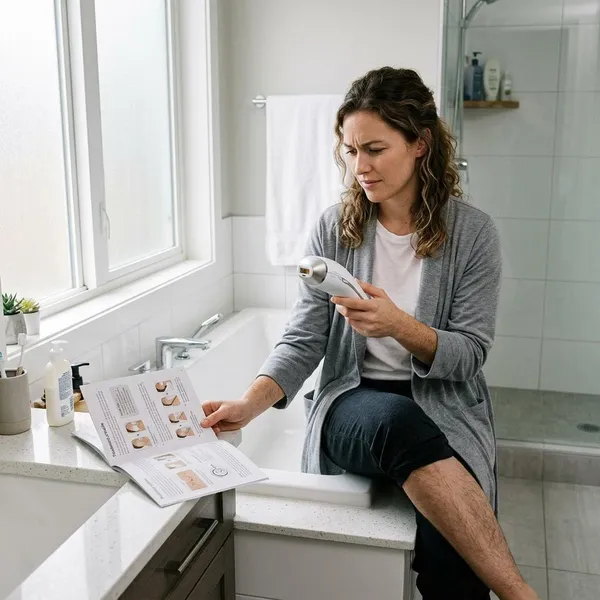
Before the first full session, do three simple checks: shave the area, patch test on a small spot, and avoid flashing over areas the manufacturer says to skip, such as certain tattoos, irritated skin, or recently sun-exposed skin. If your skin reacts badly during the patch test, stop and reassess instead of pushing through.
Conclusion
A handheld IPL device is worth considering if your skin and hair are compatible, you want long-term regrowth control, and you can stick to a routine. Put safety and fit ahead of flashy extras: the right choice is the device you can use comfortably, correctly, and often enough for gradual results to build.