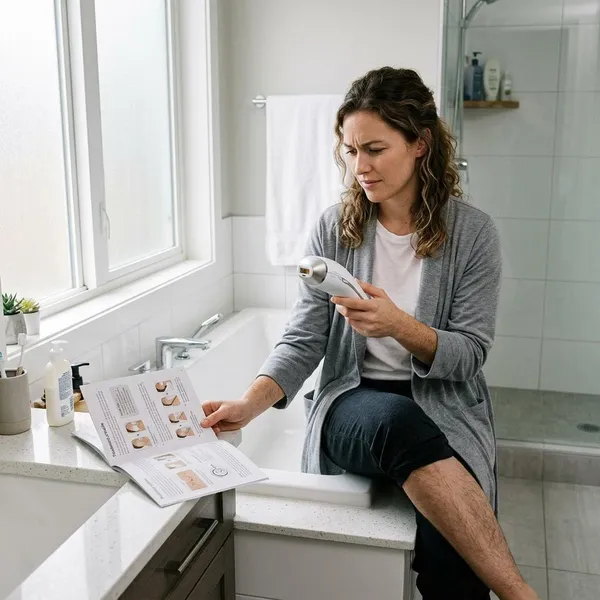
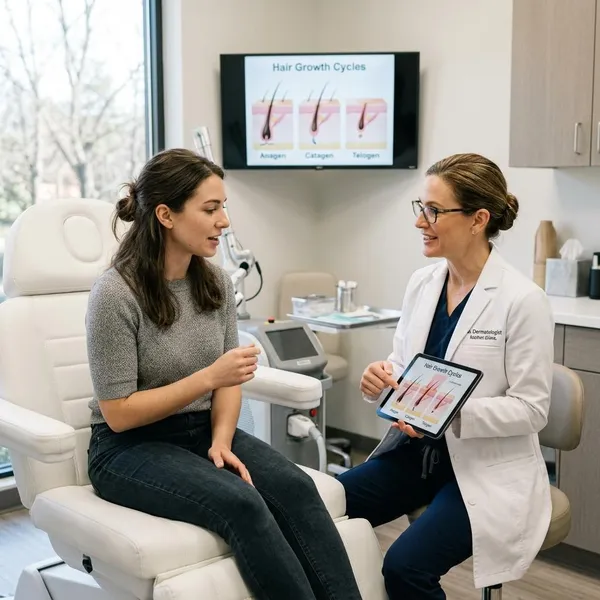
IPL devices work for many people, but only when the hair has enough dark pigment and the skin tone is suitable for the device. Think of at-home IPL as gradual hair reduction, not instant permanent removal. Before buying or starting, check three things first: your hair color, your skin tone, and whether you can follow the schedule for several weeks.
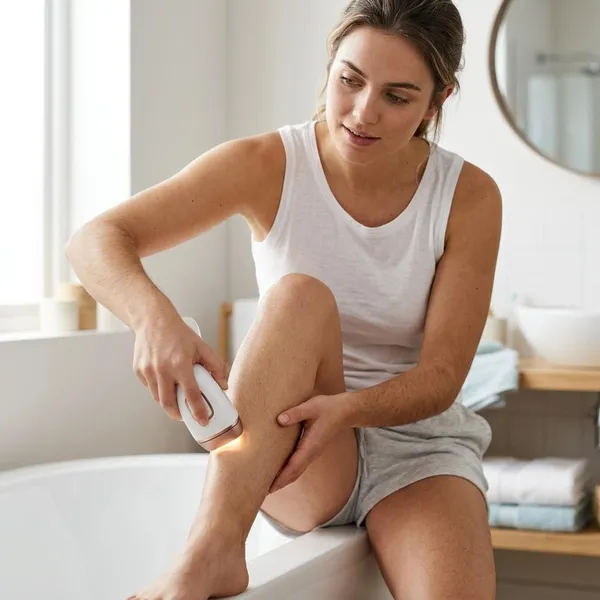
Do IPL Devices Really Work for Hair Removal?
IPL devices can work well for hair reduction when the light can safely target pigment in the hair. The best outcome is usually slower regrowth, finer hair, and less frequent shaving. It is not the same as wiping hair away in one session, and it is usually less powerful than professional laser treatment.
IPL can reduce hair growth over time
IPL uses pulses of light that are absorbed by melanin in the hair. That energy turns into heat and can weaken the follicle so future growth becomes slower or thinner. Because hair grows in cycles, one session only reaches some follicles at the right time.
A practical sign that IPL is working is not perfectly bare skin after the first treatment. It is when you notice that stubble takes longer to appear, shaving feels easier, or patches of hair come back less densely than before.
Results depend on skin tone and hair color
The clearest results usually happen when there is strong contrast between the hair and the skin. Dark brown or black hair gives the device a better target, while lighter skin reduces the chance that too much light is absorbed by the skin surface.
- Best match: light to medium skin with dark hair.
- Less predictable: dark blonde or finer dark hair.
- Poor match: grey, white, red, or very pale blonde hair.
- Higher caution: very dark skin tones unless the device is specifically suitable.
Maintenance is needed for long-term results
Even when IPL works well, most people still need occasional touch-ups. Some follicles are missed during the first treatment cycle, and others may recover enough to grow again later.
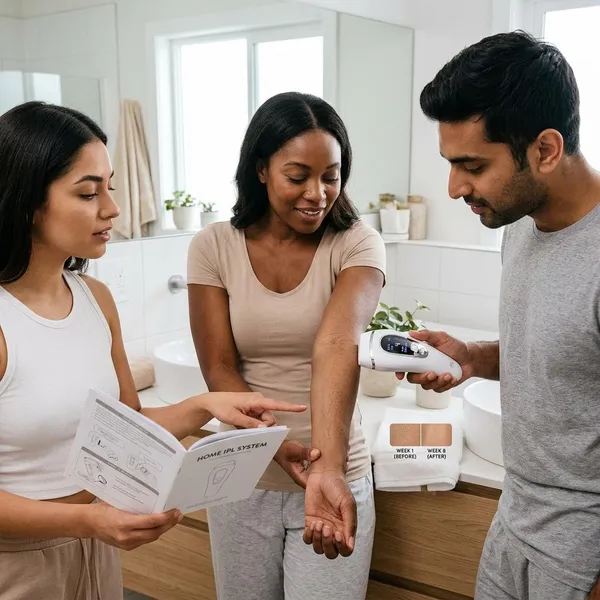
Who Gets the Best Results From IPL?
The best IPL candidates have the right contrast between skin and hair, treat areas where the hair is dark enough, and follow the routine without skipping weeks. Device quality matters, but user habits matter just as much.
Light to medium skin with dark hair
This is the classic match for IPL because the light can focus more easily on the hair pigment. Someone with fair or medium skin and dark leg hair is usually more likely to see visible reduction than someone with low-contrast hair and skin.
Many devices use skin tone sensors or intensity settings, but those features do not make every device suitable for every person. Check the device's skin tone chart before treating a full area, and be stricter with safety if your skin tone varies across different parts of the body.
Coarse hair with more pigment
Coarse, dark hair often responds better because it contains more pigment for the light to target. This is why underarms, lower legs, and some bikini-line areas may show clearer changes than fine facial fuzz or soft arm hair.
Users who follow a consistent routine
Consistency is one of the biggest differences between "it did nothing" and "it slowly worked." IPL needs repeated sessions because hairs are not all in the same growth phase at once.
- Occasional user: likely to see slower, patchier progress.
- Routine user: more likely to catch follicles across several growth cycles.
- Impatient user: more likely to overuse the device or stop before results are visible.

Who Should Avoid or Use IPL Carefully?
IPL is not the right choice for everyone. The main reasons to avoid or slow down are low hair pigment, higher skin-pigment safety risk, recent tanning, tattoos, sensitive areas, and medical factors that make skin more reactive.
This is the part to take seriously. A device can be safe for one person and a poor idea for another, even if both are using it correctly.
Blonde red grey and white hair with low pigment
IPL usually works poorly on blonde, red, grey, and white hair because there may not be enough melanin for the light to target. Dark blonde hair can sometimes respond a little, but pale or colourless hair is usually a weak candidate.
If you have mixed hair colours, expect mixed results. Darker hairs may reduce while lighter ones remain, which can make the final result look uneven rather than completely smooth.
Very dark skin tones with higher safety concerns
Very dark skin needs extra caution because the skin itself contains more melanin. That can increase the chance of heat being absorbed by the skin surface, which may lead to burns, irritation, or pigmentation changes.
If your skin is deep brown to very dark, do not rely on generic "suitable for all skin tones" wording. Look for a device that clearly includes your tone on its compatibility chart, use any sensor features properly, and consider professional advice before treating a large area.
Tanned skin tattoos and sensitive areas
A fresh tan, self-tanner, tattoos, dark moles, and pigmented spots are common reasons to pause or avoid IPL on that area. Extra pigment can absorb too much light, which raises the risk of discomfort or skin marks.
- After a beach holiday: wait until the tan has faded and the skin feels normal again.
- Over tattoos: do not flash directly on the tattooed skin.
- Near the eyes: avoid unless the device instructions specifically allow that area.
- Irritated skin: delay treatment until the skin barrier has recovered.
Certain medications and skin conditions
Some medications and skincare ingredients can make skin more sensitive to light. This can include certain antibiotics, acne treatments, prescription topicals, and strong actives used on the treatment area.
IPL also deserves caution with active eczema, psoriasis flares, wounds, infections, a history of unusual scarring, pregnancy, breastfeeding, or hormonal hair growth concerns such as PCOS. If any of these apply, medical advice is safer than guessing at home.
How Long Does IPL Take to Work?
Most people need several weeks before they can judge whether IPL is helping. The first signs are usually subtle: slower regrowth, softer hair, or uneven patches where less hair comes back.
A fair trial usually means following the device schedule for the full starting period, not using it twice and deciding it failed. The exact timing depends on the device, body area, hair density, hormones, and how well your skin and hair match IPL treatment.
Early changes after several weeks of use
After a few weeks, you may notice that shaving lasts longer or that some areas feel less stubbly. These early changes are easy to miss if you expect an immediate before-and-after difference.
For a practical check, take a quick photo every two weeks in the same lighting and note how often you shave. That gives you a better comparison than memory, especially when progress is gradual.
Full results after a consistent treatment schedule
Many home IPL routines take around 8 to 12 weeks before fuller reduction becomes easier to see, though device instructions vary. Stubborn areas or hormonal hair growth may take longer and may never respond as evenly as coarse leg or underarm hair.
This is where home IPL differs from professional laser. Clinic treatments may be stronger and more targeted, while home devices trade speed for convenience and lower ongoing effort. If you want the fastest possible reduction, a professional option may suit you better; if you prefer treating at home over time, IPL can still be worthwhile.
Maintenance sessions after hair reduction
Once growth has slowed, maintenance keeps the result from drifting backwards. Some people need touch-ups every month or two at first; others can stretch the gap once regrowth stays light.
The best maintenance schedule is based on visible regrowth, not habit alone. If your legs stay mostly smooth, you may need less frequent touch-ups. If chin or bikini-line hair returns faster, that area may need closer tracking.
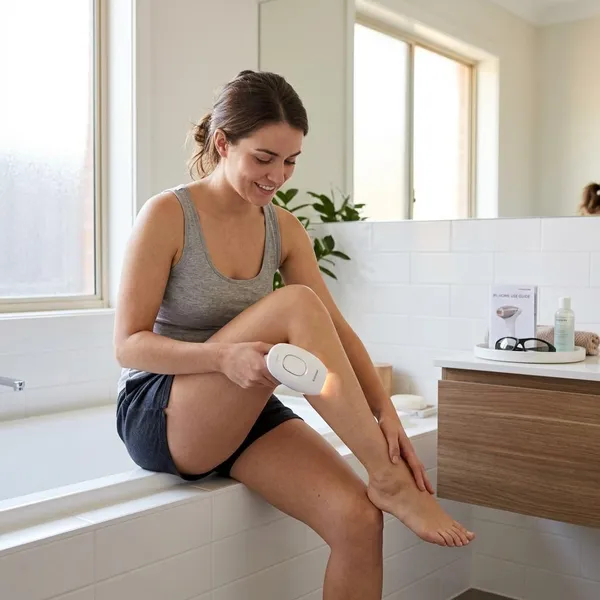
How to Use IPL Safely and Effectively
Good results come from a boring routine: prepare the skin, use the correct setting, follow the schedule, and protect the skin afterwards. Most problems happen when people rush, treat tanned or irritated skin, skip patch testing, or push the intensity too high.
Prepare skin before each treatment
Use IPL on clean, dry, freshly shaved skin. Shaving leaves the root under the skin for the light to target, while waxing, plucking, or epilating can remove that target and make the session less useful.
- Shave first: avoid long surface hair that can singe.
- Skip self-tanner: added pigment can raise irritation risk.
- Patch test: try a small area and wait 24 to 48 hours before treating more skin.
- Avoid active irritation: do not treat broken, inflamed, or freshly exfoliated skin.
Follow the correct schedule and intensity
Use the schedule and setting range recommended for your device and skin tone. A higher setting is not automatically better if it leaves the skin sore or makes you skip the next session.
A good rule is to choose the strongest comfortable setting that the device allows for your skin tone, then stay consistent. If there is pain, lingering redness, blistering, or unusual darkening, stop and reassess rather than pushing through.
Track results before changing your routine
Give one routine enough time before changing everything. If you switch intensity, schedule, body area, and device habits all at once, you will not know what helped or what caused irritation.
A small note in your phone works well: date, area treated, setting, and any reaction the next day. This is especially useful if you treat several areas with different sensitivity levels.
Protect skin after each session
After treatment, keep the area calm. Avoid harsh exfoliants, hot showers, heavy friction, and direct sun on recently treated skin for a short period, especially if the skin feels warm or looks pink.
If the area will be exposed outdoors, sunscreen is a sensible extra step. The goal is not complicated aftercare; it is simply to avoid adding irritation while the skin settles.

Conclusion
IPL is worth considering if your hair and skin are a good match and you are comfortable with gradual progress. Start by checking pigment contrast and safety suitability, then judge success by easier grooming and slower regrowth rather than perfect permanence. If your hair is light, your skin is very dark, or you have a medical or skin-sensitivity concern, it is smarter to pause and get clearer guidance before treating at home.