If shaving leaves you with stubble, bumps, or too much daily upkeep, the best hair removal methods beyond shaving usually fall into three groups: surface removal, root removal, and long-term reduction. Start with the result you want first: quick and low-commitment, smoother for a few weeks, or less regrowth over time. Then narrow it by body area, skin sensitivity, pain tolerance, and budget.

Which hair removal methods can replace shaving?
Several methods can replace shaving, but they do not all solve the same problem. Creams are closest to shaving because they remove hair at the surface. Waxing, sugaring, epilators, threading, and tweezing remove hair from the root, so results usually last longer. Laser and IPL aim to reduce regrowth over time, while electrolysis is used when permanent removal is the goal.
| Method type | Best fit | Main tradeoff |
|---|---|---|
| Creams | Quick blade-free removal for legs or arms | Short-lived results and possible irritation |
| Waxing, sugaring, epilators | Weeks of smoother skin without daily upkeep | More discomfort and possible ingrown hairs |
| Threading, tweezing | Brows, upper lip, chin, and stray hairs | Too slow for large areas |
| Laser, IPL | Reducing repeated regrowth on suitable hair and skin | Multiple sessions and maintenance are usually needed |
| Electrolysis | Permanent removal on targeted areas | Time-consuming because follicles are treated one by one |
Creams dissolve surface hair
Depilatory creams break down hair just above or slightly below the skin surface, so they can feel smoother than shaving without using a blade. They suit someone who wants a fast option before a weekend away or prefers not to deal with razor cuts, especially on larger areas like legs or arms.
The main check is skin tolerance, not hair type. Use only the area the product is made for, follow the timing exactly, and do a patch test as directed. Leaving cream on longer is a common mistake; it raises the chance of burning or redness without making the result meaningfully better.
Waxing and sugaring pull out hair
Waxing and sugaring remove hair from the root, so they are better than creams if you want smoother skin for weeks instead of days. They are common for legs, underarms, bikini line, arms, and some facial areas, but the experience depends heavily on technique and skin sensitivity.
Sugaring is sometimes preferred by people who find waxing too harsh, although it is not automatically painless or irritation-free. If you are planning around a holiday, wedding, or beach trip, book a first session well before the event rather than the day before, so you can see how your skin reacts.
Epilators remove hair from the root
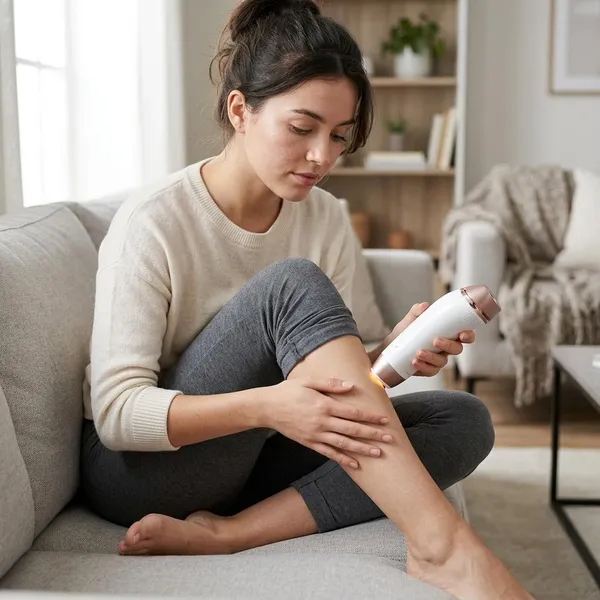
An epilator is a home device that pulls out multiple hairs with rotating tweezers. It can be a good fit if you want longer-lasting results than shaving but do not want recurring salon appointments. Legs and arms are usually easier starting points than underarms or the bikini area, where the pulling sensation can feel sharper.
- Best for: regular at-home maintenance.
- Less ideal for: very sensitive areas on a first try.
- Practical tip: use it before hair gets too long, because long hair can make epilation more uncomfortable.
Threading and tweezing target individual hairs
Threading and tweezing are precision methods, not full-body solutions. Tweezing works well for a few obvious stray hairs, while threading is useful for shaping brows or clearing fine facial hair without creams, heat, or wax. They make the most sense when accuracy matters more than speed.
Laser and IPL reduce regrowth
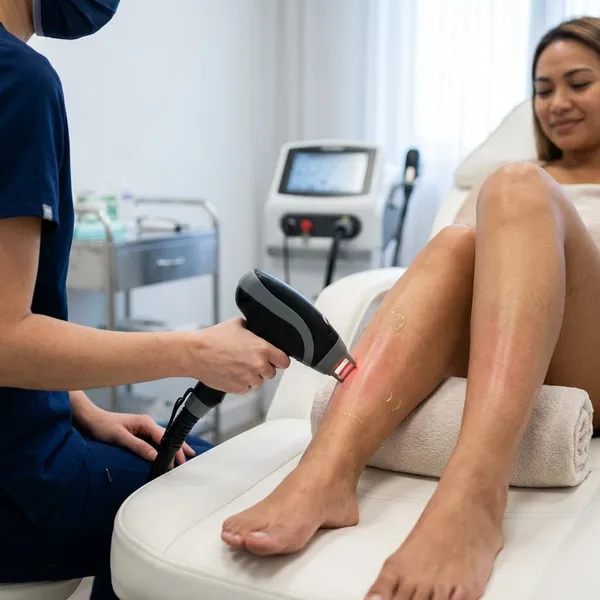
Laser and IPL are worth considering when the real problem is constant regrowth rather than the act of removing hair once. Both use light energy to target pigment in the hair, so they usually work best on darker hair; suitability can vary by skin tone, device, and provider.
Professional laser is usually more targeted, while at-home IPL is more of a long-term routine. A good example is someone shaving underarms every other day and dealing with bumps: laser or IPL may reduce the cycle over time, but it should be approached as a course of treatments, not a one-session fix.
Electrolysis removes hair permanently
Electrolysis treats individual follicles with electrical current and is commonly used when permanent removal is wanted. Because it does not rely on hair pigment in the same way as laser or IPL, it can be useful for blonde, gray, white, red, or very fine hairs that light-based treatments may not handle well.
The tradeoff is patience. It is most practical for smaller areas such as the upper lip, chin, jawline, brows, or scattered coarse hairs, rather than full legs or large body zones.

How to choose an alternative to shaving
The easiest way to choose is to stop asking which method is "best" and ask what you need it to do. For a quick summer touch-up, cream may be enough. For year-round underarm irritation, laser or IPL may be more sensible. For one stubborn chin hair, tweezing or electrolysis is usually more logical than treating a large area.
- Choose the body area first. Face, underarms, bikini line, legs, and back all tolerate methods differently.
- Decide your maintenance window. Days, weeks, reduction, or permanence will quickly narrow the options.
- Rule out poor matches. Reactive skin, very light hair, tattoos, active acne, or medication use can change the safest choice.
- Compare real upkeep. Include appointment time, product replacement, pain, and how often you will repeat it.
- Test before committing. A patch test, small area, or first professional consultation prevents bigger regrets.
Decide how long you want results to last
If you only need smooth skin for a short event, a cream or careful temporary method may be enough. If you dislike frequent upkeep, root-removal methods are more satisfying because they usually give longer gaps between sessions.
For less regrowth over months, look at laser or IPL. For the most permanent route, electrolysis is the stronger option, especially on smaller areas where the time commitment is realistic.
Match the method to the body area
Large areas such as legs, arms, chest, or back need methods that cover ground efficiently: creams, waxing, sugaring, epilation, laser, or IPL. Small visible areas need control, so brows, upper lip, chin, and stray facial hairs usually suit threading, tweezing, waxing by an experienced person, or electrolysis.
Underarms and bikini line deserve more caution because the skin is sensitive and hair is often coarse. If a method already irritates your legs, do not assume it will be fine there.
Check skin and hair suitability
Skin and hair suitability matter most with creams, waxing, laser, and IPL. Creams can irritate reactive skin. Waxing can be risky on fragile or recently exfoliated skin. Laser and IPL tend to work better when there is enough pigment in the hair for the light to target.
- Very light or gray hair: ask about electrolysis rather than assuming laser will work.
- Frequent ingrowns: consider whether root removal worsens them or whether light-based reduction may help over time.
- Eczema, acne, or dark marks after irritation: choose conservatively and test a small area first.
Consider sensitivity and pain tolerance
Pain tolerance is not a small detail; it decides whether you will keep using the method. Waxing and epilators feel like quick pulling, threading can feel sharp on the face, laser is often described as snapping heat, and electrolysis is slower because each follicle is treated separately.
If your skin is sensitive, the gentlest choice is not always the same for every area. Threading may suit your upper lip better than cream, while sugaring may feel more manageable than waxing on legs. A low-risk first test is more useful than guessing from reviews.
Set a budget and upkeep routine
Compare cost over time, not just the first purchase. Creams are inexpensive per box but need repeating. Waxing has recurring appointment costs. Epilators cost more upfront but have low ongoing costs. Laser, IPL, and electrolysis cost more at the start or across sessions, but may reduce future maintenance.
How to reduce irritation from hair removal
Irritation is often avoidable when you treat hair removal as a skin treatment, not just a grooming step. The first priority is simple: do not work on already irritated skin. The second is to follow the exact timing, spacing, and aftercare for the method you are using.

Follow product and treatment instructions
Instructions matter because the risky part is often timing or intensity. A cream left on too long can burn, wax that is too hot can damage skin, and laser or IPL used more often than directed can irritate without giving better results.
Patch test creams as directed
Patch test depilatory creams exactly as the label says, especially on underarms, bikini-line-adjacent skin, or the face. Check for burning, lasting redness, itching, or swelling before using the product on a larger area. A formula that works on your legs can still be too harsh somewhere more sensitive.
Avoid treating irritated or broken skin
Skip hair removal on sunburned, peeling, cut, inflamed, freshly scratched, or actively irritated skin. This applies to creams, waxing, sugaring, epilation, laser, IPL, and electrolysis. Waiting a few days is usually less annoying than turning mild irritation into raw skin or marks that linger.
Check medication restrictions
Some medications and skincare products can make hair removal riskier. Retinoids, isotretinoin, certain antibiotics, strong exfoliating acids, benzoyl peroxide, and photosensitizing products may increase irritation or make skin more vulnerable.
If you use prescription skincare or are planning facial waxing, laser, IPL, or electrolysis, ask a qualified provider what to pause and when. Do not guess with active treatments on your face.
Follow method-specific aftercare
Aftercare should match the method, but the basic idea is to keep skin calm while it settles. Avoid heavy friction, hot baths, steam rooms, intense workouts, strong exfoliants, and perfumed products right after treatment unless your provider says otherwise.
- After waxing, sugaring, or epilation: wait until redness calms before exfoliating for ingrown prevention.
- After laser or IPL: be careful with sun exposure and heat.
- After electrolysis: keep the area clean and avoid picking.
Conclusion
The best choice is the one that matches your real problem: creams for fast blade-free removal, waxing or sugaring for longer smoothness, epilators for at-home root removal, threading or tweezing for precision, laser or IPL for reduced regrowth, and electrolysis for permanent targeted removal. If your skin reacts easily or your hair growth has changed suddenly, slow down, test first, and get professional advice before committing to a harsher or longer-term option.