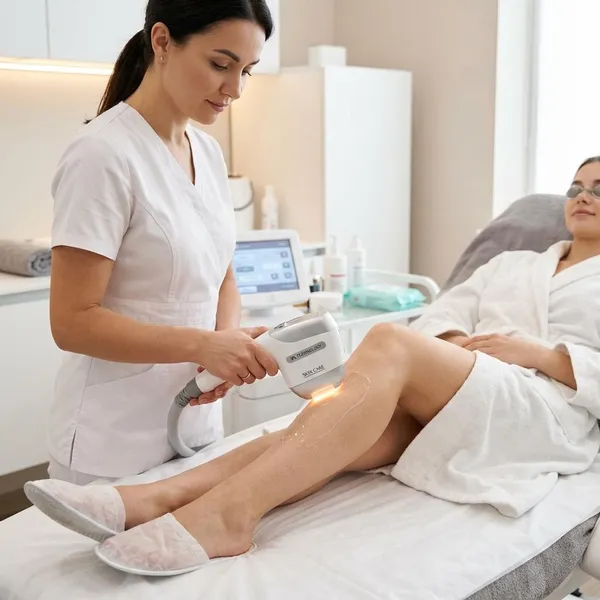
Laser hair removal is usually very effective at reducing hair growth long term, but it is better to think of it as reduction rather than a promise of totally permanent, hair-free skin. The best results tend to happen when the hair is dark and coarse, the laser suits your skin tone, and you complete the full treatment schedule instead of judging it after one or two sessions.
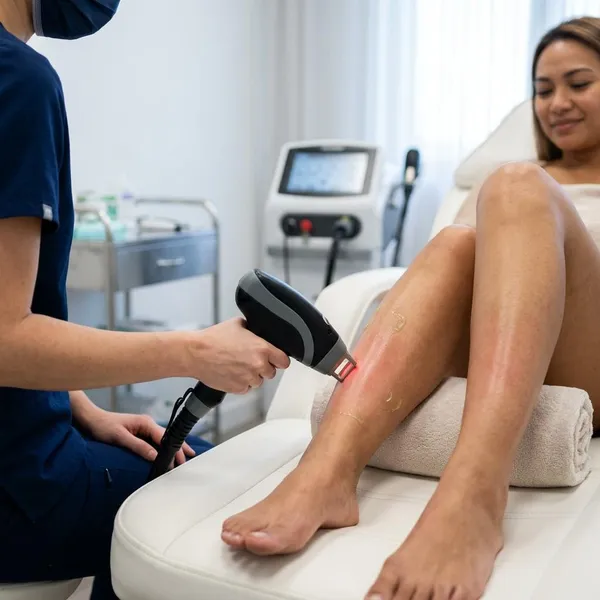
How effective is laser hair removal?
Laser hair removal can make a major difference for the right candidate. If you have thick, dark hair on areas such as the underarms, lower legs, bikini line, chest, or back, you are usually in the group most likely to see strong reduction. If your hair is blonde, gray, white, red, very fine, or hormonally driven, the outcome can be less predictable.
| Result you may want | How realistic it is | What to check first |
|---|---|---|
| Less dense hair growth | Often realistic with suitable hair and laser choice | Hair color, thickness, and treatment area |
| Completely hair-free skin | Less reliable, especially long term | Whether you are prepared for maintenance |
| Help with shaving bumps or ingrown hairs | Often possible if coarse hair is the trigger | Whether irritation is caused by hair growth or another skin issue |
| Removal of light or gray hairs | Usually limited with standard laser | Whether electrolysis is a better option |
Long-term reduction in hair growth
The main benefit is long-term reduction in the number of active hairs. Many people see a clear drop across a treatment course, but the change builds gradually because hair grows in cycles and only some follicles are in the best growth phase during each session.
Finer or sparser regrowth
Regrowth often becomes softer, finer, and more scattered. That can make a treated area look smoother even when it is not perfectly bare.
Less need for regular hair removal
For everyday use, the biggest win is usually convenience. Laser may reduce the constant cycle of shaving, waxing, plucking, and dealing with regrowth a few days later.
- Daily shavers: often notice the biggest lifestyle difference if the hair responds well.
- Occasional waxers: may value fewer appointments and less planning before holidays or events.
- People with ingrown hairs: may get comfort benefits as well as cosmetic improvement.
- People expecting perfect permanence: may feel disappointed unless maintenance is part of the plan.
What affects laser hair removal results?
The most important factors are hair pigment, hair thickness, skin tone, the laser used, the treatment area, hormonal influence, provider skill, and whether sessions are timed consistently. If results are weak, it is usually worth checking those points before assuming laser simply "doesn't work."
Hair color and thickness
Dark, coarse hair is usually the easiest target because laser energy is attracted to pigment in the hair. Fine hair can be harder to treat, and blonde, gray, white, and many red hairs often do not contain enough usable pigment for reliable laser results.
If your main concern is a few pale facial hairs, booking more laser sessions may not be the best use of money. That is the kind of situation where asking about electrolysis early can save frustration.
Skin tone and laser choice
Laser can work on a range of skin tones, including darker skin, but the device and settings have to be chosen carefully. Darker skin contains more pigment in the surrounding skin, so the goal is to heat the hair safely without causing burns or discoloration.
At a consultation, ask what laser platform will be used for your skin tone and whether patch testing is recommended. A careful answer is a good sign; a vague promise that the same setting works for everyone is not.
Treatment area and hormones
Body areas such as the underarms, legs, bikini area, chest, and back often respond more predictably than the face, chin, neck, or other hormonally sensitive areas. Hormones can keep stimulating new growth, so the treated hairs may reduce while fresh hairs appear later.
This is especially relevant for someone with PCOS-like growth patterns or sudden new facial hair. Laser may still reduce density and make grooming easier, but it may need maintenance, and medical evaluation may be worth considering if the hair growth has changed noticeably.
Provider skill and treatment settings
A good machine does not guarantee a good result. Settings need to match your hair, skin tone, treatment area, and skin reaction. Too low, and you may only get temporary shedding; too aggressive, and the risk of side effects rises.
- Ask about expected response: the answer should be specific to your hair and skin, not a blanket guarantee.
- Check safety steps: tanning history, medication use, and past skin reactions should be discussed.
- Watch for rushed treatment: poor coverage can leave patchy results.
Session timing and consistency
Most people need a series of sessions because not every hair is treatable at the same time. Clinics commonly space appointments several weeks apart, often around 4 to 8 weeks depending on the area, but the schedule should come from the provider treating you.
Why might laser hair removal not work well?
Weak results usually come down to one of four things: the hair is not a good laser target, the device or settings are wrong for the person, the course was not completed, or hormones are continuing to drive growth. Knowing which one applies matters because the solution is different in each case.

Too little pigment in the hair
Laser needs pigment to target the follicle effectively. If the hair is blonde, gray, white, very light red, or extremely fine, the laser may not "see" enough contrast to work well. In that case, continuing with the same treatment may only add cost without much extra benefit.
An unsuitable laser or settings
The wrong laser or overly cautious settings can make treatment look like it worked for a few weeks because the hair sheds, then disappoint when growth returns. If you have had several sessions with little change, ask whether the settings have been adjusted and whether the laser type is appropriate for your skin tone and hair.
At-home devices are a separate case. They may help some people maintain mild reduction, but they are usually lower powered than professional systems, so they may not be enough for coarse, stubborn, or hormonally influenced hair.
An incomplete treatment course
One or two sessions are not enough to judge final results. A typical course is often several appointments, commonly around 6 to 10, though the right number depends on the area, hair type, and individual response.
For someone treating underarms before summer, a few early sessions may reduce growth but not deliver the smoothest result by the first beach trip. For someone treating year-round because shaving causes painful bumps, staying consistent through the full course matters more than chasing a quick seasonal fix.
Hormonal hair growth
Hormonal growth can make laser feel inconsistent, especially on the face, chin, neck, or lower abdomen. The treated hairs may respond, but new hairs can be stimulated later, which creates the impression that everything came back.
If regrowth is sudden, spreading, or tied to other symptoms, it is sensible to discuss it with a healthcare professional rather than relying only on cosmetic treatment. Laser can reduce what is there, but it cannot control the hormonal trigger behind new growth.
Conclusion
Laser hair removal is most worth considering when your hair is a good target, you are comfortable with a full treatment course, and you judge success by easier maintenance rather than absolute permanence. If your hair is light, very fine, or strongly hormonal, get a careful consultation before paying for a package, because the better choice may be different settings, a different provider, maintenance planning, or electrolysis for the hairs laser is unlikely to remove.