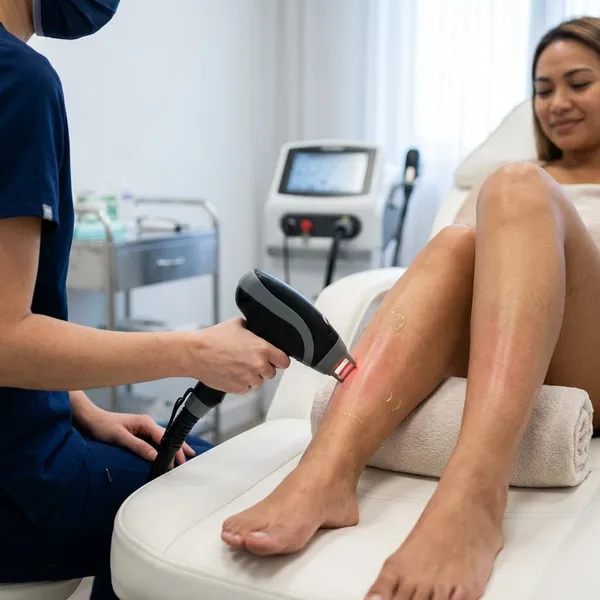
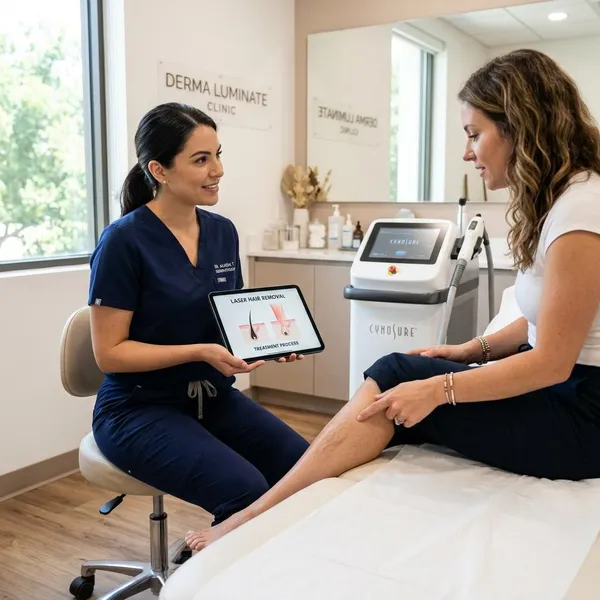
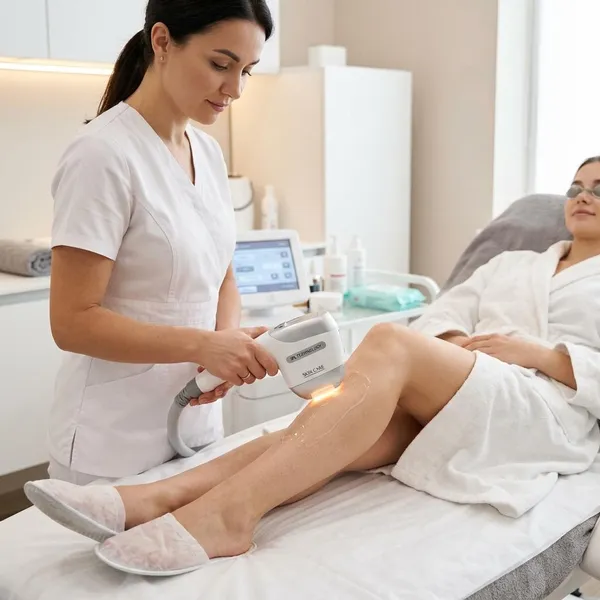
The practical answer to is IPL hair removal permanent is: not completely for most people. IPL is better understood as long-term hair reduction, where hair grows back slower, finer, or in fewer patches. Before you buy a device or judge your results, the first things to check are your hair color, skin tone, treatment area, and whether you are willing to keep up with maintenance.

Is IPL hair removal permanent?
IPL can give lasting reduction, but it usually does not remove every follicle forever. That distinction matters because a good result may still include occasional regrowth and touch-up sessions.
Lasting reduction rather than complete removal
IPL uses light energy to target pigment in the hair, heat the follicle, and weaken future growth. When it works well, the treated area often becomes easier to manage: less stubble, slower regrowth, and fewer coarse hairs.
No guarantee of lifelong results
There is no reliable promise that IPL results will last for life. Some follicles are only weakened, some are missed, and new hair can appear later because of hormonal changes, age, pregnancy, menopause, PCOS, or certain medications.
- More realistic expectation: fewer hairs and slower regrowth after a full treatment course.
- Less realistic expectation: one short routine that removes every hair permanently.
- Best mindset: treat IPL as a way to lower your normal hair growth baseline.
At-home IPL devices also tend to work more gradually than professional systems because they are designed for safer consumer use. That does not make them useless; it just means consistency and suitability matter more.
Why can hair grow back after IPL?
Hair can grow back after IPL because the treatment does not affect all follicles at the same time. It works best when the hair is in the right growth phase, and your body can also stimulate new growth later.
Some follicles remain active
A single IPL session cannot treat every follicle evenly. Some hairs are not visible yet, some are resting under the skin, and some areas may simply be missed if you move the device too quickly.
This is why patchy regrowth does not always mean the device failed. It may mean certain follicles were not in a good treatment stage, or that your coverage was uneven. Larger areas such as thighs and calves are especially easy to treat in strips, leaving small untreated bands that show up later.
Hairs grow in different cycles
IPL works best on hairs in the active growth phase, when the hair can carry heat down toward the follicle. Because only some hairs are in that phase at once, repeated sessions are needed to catch new groups of hairs as they become treatable.
- Follow the starter schedule recommended by your device instead of treating randomly.
- Shave before treatment so light is not wasted on hair above the skin.
- Work in sections on large areas to avoid missed strips.
- Wait before judging results because treated hairs may shed over several days rather than disappear immediately.
Hormones can trigger new growth
Hormones can make IPL results less predictable, especially on the face, chin, neck, chest, lower abdomen, and bikini area. If your upper lip or chin hair keeps returning while your legs respond well, that difference is not unusual.
Sudden, heavy, or unusual hair growth is worth discussing with a healthcare professional. IPL may reduce visible hair, but it does not treat a possible underlying hormonal cause.

What affects how long IPL results last?
The biggest factors are not just the device itself. Your hair and skin match, the body area, how carefully you use the device, and whether you complete the early treatment phase all affect how long the reduction lasts.
Skin tone and hair color
IPL depends on contrast between the hair and surrounding skin. Dark hair usually absorbs light better, while very light blonde, red, gray, or white hair often responds poorly because it has less pigment.
| Hair and skin match | What it usually means for IPL |
|---|---|
| Dark hair with light to medium skin | Often the easiest match, especially on legs and underarms. |
| Fine or light hair | May show little change, even with regular use. |
| Darker skin tones | Needs careful device compatibility checking because skin may absorb more light. |
Treatment area and hormones
Lower legs, arms, and underarms often give more satisfying long-term reduction because the hair is commonly darker and less hormonally reactive. Facial areas tend to be more stubborn because new growth can keep being triggered.
Device suitability and correct use
A suitable device should match your skin tone, hair color, treatment area, and comfort needs. A large flash window may be convenient for legs, while smaller attachments can be easier around the upper lip, bikini line, or underarms.
- Do a patch test first: check how your skin reacts before treating a full area.
- Use clean, shaved skin: avoid waxing or plucking during the treatment course because IPL needs the hair root as a target.
- Do not treat irritated skin: wait if the area is sunburned, broken, or unusually sensitive.
- Keep coverage steady: overlapping too much can irritate skin, while gaps leave untreated hair behind.
If a device has a skin sensor, treat it as a safety helper, not permission to ignore the instructions. Suitability still comes first.
Treatment consistency
Consistency is often the difference between "I think it helped" and "I can actually shave less." IPL needs a repeated schedule in the beginning because different hairs become treatable at different times.
For occasional users who only remember before a holiday, results may stay limited. For someone willing to follow the full starter routine and then add touch-ups when regrowth appears, the reduction is more likely to last.

What happens if you stop IPL?
If you stop IPL, hair usually returns slowly rather than all at once. The area may still stay lighter than before, but the best result can fade without maintenance.
Hair may return gradually
Regrowth often starts as scattered hairs or small patches. Some follicles recover sooner than others, especially if they were only partly weakened or missed during treatment.
This can be frustrating if you expected a permanent finish, but it is normal for IPL. A few returning hairs after a break do not mean every result has disappeared.
Some reduction may remain
Some people keep a noticeable reduction even after stopping for a while. The hair that returns may be finer, softer, or less dense than it was before the initial course.
That remaining reduction is the reason maintenance is often easier than starting from zero. A quick touch-up every so often may be enough for body areas that responded well, while hormone-sensitive areas may need closer attention.
Regrowth varies between people
Regrowth depends on your biology as much as your routine. Genetics, age, hormones, medications, and the treated area can all change how long the result holds.
- Good fit for IPL: you want to shave less often and are comfortable doing occasional maintenance.
- Think carefully first: your hair is very light, your skin tone is not supported by the device, or you want guaranteed lifelong removal.
- Get extra advice: hair growth is sudden, heavy, or linked with other symptoms.

Conclusion
IPL is most worth considering when you want lasting hair reduction, not a promise that every follicle is gone forever. If your hair and skin are a good match, you follow the schedule, and you are realistic about touch-ups, it can make hair removal much easier over time. If your main goal is a guaranteed permanent result with minimal upkeep, professional advice or a different treatment may be the safer expectation.