IPL devices work by flashing broad-spectrum light into shaved skin so the pigment in the hair can absorb that energy and turn it into heat. The heat does not pull hair out like waxing; it weakens the follicle's ability to produce strong regrowth over time. The first thing to check is whether your hair and skin are a good match, because IPL depends heavily on contrast between dark hair and surrounding skin.
How Do IPL Devices Remove Hair?
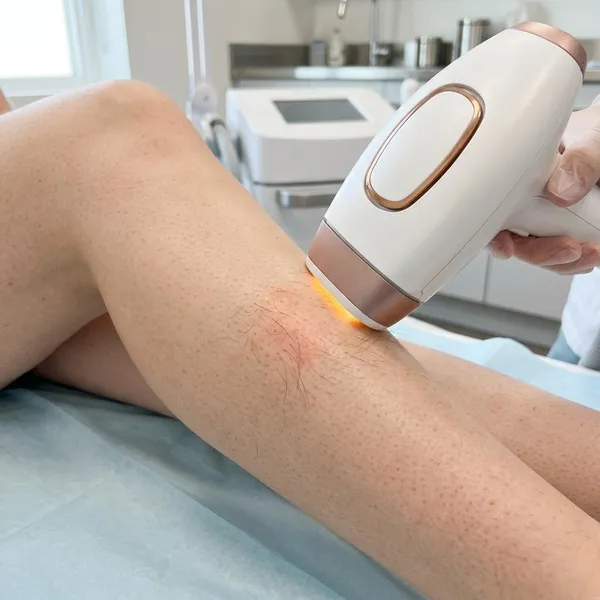
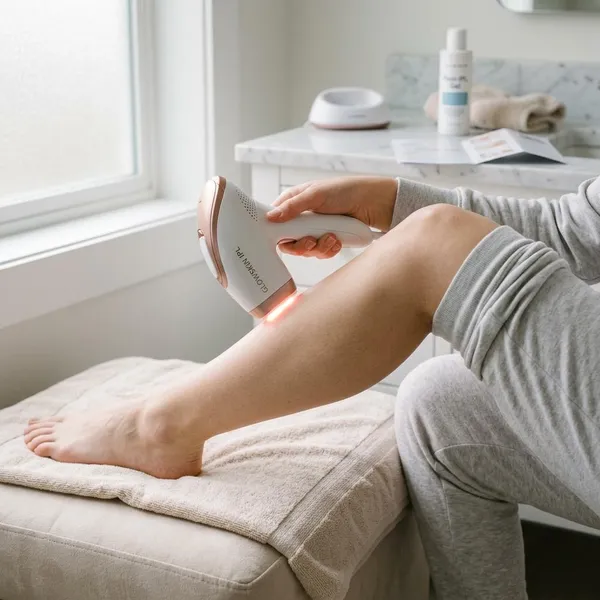
IPL removes hair gradually by using light as a heat delivery system. The flash travels through the skin, is absorbed mainly by pigment in the hair, and creates heat around the follicle. If the follicle is in the right growth stage, that heat can reduce how strongly it grows hair back.
This is why IPL is better described as long-term hair reduction than instant hair removal. You may still shave between sessions, especially at the start, but the aim is for hair to come back slower, finer, and less densely.
IPL uses broad-spectrum light to target hair pigment
Unlike a laser, IPL sends out a range of light wavelengths in each pulse. That makes it useful for covering larger areas such as legs or arms, especially with home devices that are designed for repeated use rather than one powerful clinic session.
The trade-off is that IPL needs a clear target. Darker hair gives the device more pigment to aim for, while very light hair gives it much less to work with. If you are buying a device mainly for pale blonde or grey hair, this is the point where expectations should be cautious.
Melanin absorbs light and turns it into heat
Melanin is the pigment that gives hair its color, and it is the main reason IPL can work. When melanin absorbs the flash, the light energy converts into heat inside the hair structure and near the follicle.
A simple way to think about it: dark stubble under the skin acts like the pathway for the light. That is also why you normally shave before IPL instead of waxing first. Shaving leaves the hair root in place for the light to target, while waxing removes the target the device needs.
Heat disrupts the follicle and slows future growth
The useful effect comes from controlled heat, not from burning the hair above the skin. Over repeated sessions, that heat can make the follicle produce weaker, slower, or fewer hairs.
- Shave first: leave the root below the skin, but remove surface hair.
- Use clean, dry skin: avoid lotions, oils, and deodorant on the treatment area.
- Keep the window flat: poor contact can cause missed patches or failed flashes.
- Do not keep flashing one spot: more pulses in the same place do not mean faster results.
Why Does IPL Need Multiple Treatments?
IPL needs multiple treatments because not every hair is ready to respond on the same day. A single session can only affect the hairs that are in a suitable growth stage at that moment. Later sessions catch other follicles as they move into a better stage for treatment.
Hair grows through different growth phases
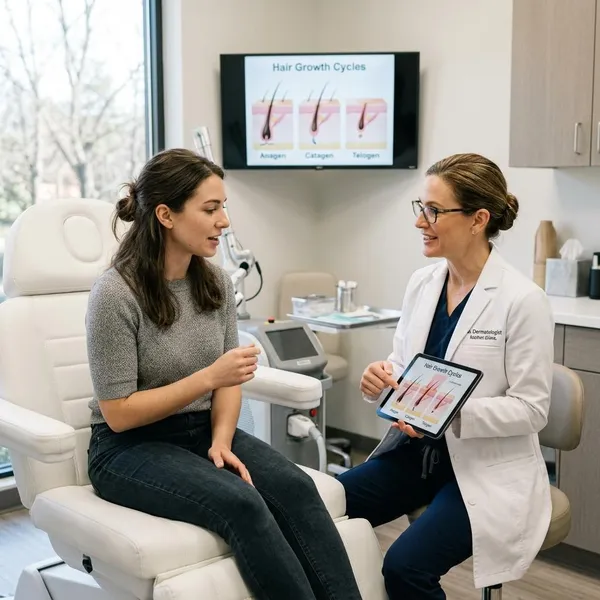
Hair follicles move through active growth, transition, and resting phases. IPL is most useful when the hair is actively growing and still connected in a way that lets heat reach the follicle effectively.
This explains the patchy stage many people notice early on. Some hairs seem to stop coming back quickly, while others appear untouched. That does not automatically mean the device failed; it may mean those hairs were not in the best phase during earlier sessions.
IPL works best during active growth stages
The active growth stage gives IPL its best chance because the hair contains usable pigment and has a stronger connection to the follicle. When hair is resting or shedding naturally, the light has less opportunity to create a meaningful effect.
Repeated sessions target new growth cycles
Repeated use is what turns IPL from a one-off flash into a real hair-reduction routine. Each session gives you another chance to treat a new group of follicles at the right time.
Home IPL devices are usually gentler than professional systems, so patience matters. If you use the device twice and then stop for a month, you are not giving the routine enough chances to catch new active-growth hairs.
Maintenance helps control regrowth
After the starting phase, many people move into occasional maintenance. The goal is not to keep treating as often forever; it is to stop returning hairs from becoming obvious again.
Maintenance needs are not equal for everyone. Legs may stay manageable with occasional touch-ups, while facial hair or bikini-line hair can be more stubborn for some people because hormones, hair thickness, and sensitivity all play a role.
What Results Can You Expect From IPL?
Expect gradual reduction rather than a sudden bare-skin result. The most realistic early signs are slower stubble, small gaps in regrowth, and hair that feels softer when it comes back.
If you want completely smooth skin for an event next weekend, IPL is the wrong tool for that timeline. If you want less shaving over the next few months and are willing to follow a schedule, it makes much more sense.
Hair reduction appears gradually over several weeks
Most users need several weeks of regular sessions before the change is obvious. Early progress can be easy to miss because IPL affects future growth, not the visible hair like shaving does.
A useful check is shaving frequency. If you normally shave your legs every two days and later can wait longer without the same rough stubble, that is a more reliable sign than judging one session in isolation.
Regrowth often becomes finer and slower
One of the more practical benefits is not always total hair disappearance, but easier maintenance. Hair may come back thinner, softer, and less noticeable, which can make shaving quicker and less irritating.
Results depend on consistency and body area
Consistency usually matters more than using the highest setting you can tolerate. Following the device schedule gives the treatment repeated chances to reach hairs in the active phase.
- Coarse dark hair: often shows clearer change sooner.
- Fine hair: may respond slowly or only partially.
- Hormone-sensitive areas: may need more long-term touch-ups.
- Large areas: require a careful pattern to avoid missed strips.
Who Gets the Best Results From IPL?
The best match is usually dark hair with lighter skin because the device can target hair pigment more clearly. The less contrast there is, the more important it becomes to check compatibility and use conservative settings.
Safety should come before speed. A stronger setting is not better if your skin is absorbing too much of the light.
Dark hair with lighter skin usually responds best
This combination gives IPL the clearest target: plenty of pigment in the hair and less competing pigment in the surrounding skin. That usually means more predictable reduction and a lower chance of unnecessary irritation when the device is used correctly.
Hair pigment affects treatment effectiveness
Brown and black hair usually respond best because they contain more melanin. Red, white, grey, and very light blonde hair often contain too little dark pigment for IPL to work reliably.
Dark blonde hair sits in a grey area. Some people may see a modest change, but it is not the same level of match as coarse dark hair. If your main treatment area has very low pigment, consider whether shaving, waxing, epilation, or professional advice would be more realistic.
Skin tone and device settings affect safety
Skin tone affects how much light the skin itself may absorb. Many home IPL devices include sensors or setting guides, but you still need to use them carefully, especially when treating sensitive or visible areas.
- Patch test first: treat a small area and wait as the instructions recommend.
- Start lower if unsure: comfort and skin response matter more than rushing.
- Avoid recent tanning: extra pigment can change how skin reacts to IPL.
- Stop if skin reacts badly: persistent burning, blistering, or unusual marks need caution.
Some hair colors and skin tones need extra caution
Very dark skin tones, very light hair colors, tattoos, active irritation, sunburn, and broken skin all need extra caution. IPL targets pigment, so areas with extra or unsuitable pigment can absorb light in ways the device was not intended to handle.
For a low-risk scenario, someone with dark leg hair, untanned light-to-medium skin, and no skin irritation is usually closer to the typical home IPL user. A higher-caution scenario would be facial use on sensitive skin, treatment near tattoos, or use after recent sun exposure; in those cases, do not improvise beyond the device instructions, and seek professional guidance if you are unsure.
Conclusion
IPL is worth considering when your hair and skin are a suitable match and you are willing to treat it as a routine, not a quick fix. Check compatibility first, shave before use, follow the schedule, and be cautious with sensitive skin, tanning, tattoos, or very light hair. Used realistically, it can reduce the amount of hair you manage every week, even if it does not remove every hair forever.