IPL can be reasonably safe in summer, but only if your skin is at its normal untanned color and you can protect it from strong sun before and after treatment. If you are even a little sunburned, freshly tanned, or about to spend long days outdoors, the safer answer is to wait. The real question behind how safe is IPL photofacial during summer is less about the calendar and more about your current skin and your next few weeks.
When Is Summer IPL Photofacial Safe?
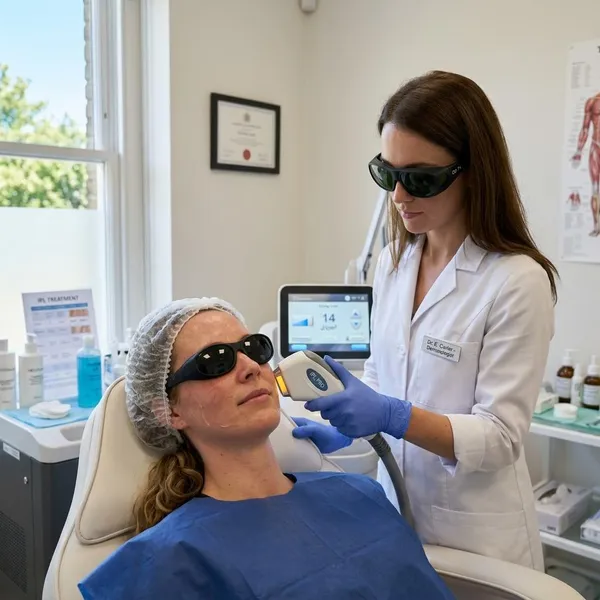
Summer IPL is usually safest when three things line up: your skin has no recent tan, your schedule lets you avoid direct sun, and you are willing to follow aftercare carefully. Someone who works indoors, drives most places, and can skip outdoor plans for a short recovery window may be a reasonable summer candidate.
The situation changes quickly for someone who has pool weekends, outdoor work, beach trips, or sports events planned. IPL uses light energy, and recently sun-exposed skin may absorb that energy less predictably, which can raise the chance of irritation, burns, or uneven pigmentation.
Your skin has no active tan or sunburn
This is the first thing to check. Your skin should look and feel like its usual baseline tone, not warmer, pinker, darker, peeling, or freshly bronzed from recent sun. A sunburn is a clear reason to postpone, and even a light tan can make IPL harder to perform safely because there is more surface pigment competing for the light energy.
You can avoid direct sunlight after treatment
Summer IPL is more realistic if you can keep the treated area out of direct sun while it settles. Necessary exposure, like walking from a car to a building, is different from sitting outside for hours at lunch or spending a full afternoon at a game.
- Lower-risk schedule: indoor work, shaded commuting, no beach or pool plans.
- Higher-risk schedule: outdoor job, vacation week, sports tournament, festival, or long sunny hikes.
You can follow strict aftercare instructions
Aftercare is not complicated, but it has to be consistent. You may need to pause strong actives such as retinoids or exfoliating acids, avoid heat-heavy activities for a short period, use sunscreen daily, and add physical protection like hats or shade. If that sounds unrealistic during your current summer plans, waiting is usually the cleaner choice.
When Should You Avoid IPL During Summer?
You should avoid or delay IPL when your skin is not calm, your recent sun exposure is unclear, or your lifestyle makes recovery hard to control. The most common mistake is treating summer sun exposure as one big event, like a beach trip, while ignoring smaller daily exposures that add up.
Driving with sun on one side of your face, gardening, walking the dog, patio meals, or weekend errands can all matter if they leave your skin darker or more sensitive than usual. A short delay is often less frustrating than dealing with prolonged redness or patchy discoloration afterward.
You recently spent time in the sun
If you have had noticeable sun exposure recently, tell the provider before treatment day. Be specific about vacations, pool time, outdoor workouts, long drives, or any redness and peeling. What looks "not that bad" in bathroom lighting may still be enough for a cautious provider to reschedule.
Your skin is darker than its usual baseline tone
A naturally deeper skin tone is not the same thing as a fresh summer tan, but both require careful assessment. IPL settings depend partly on how much pigment is present in the skin. If your current tone is darker than your normal baseline because of sun, it is usually safer to wait until that extra color fades.
This is especially worth discussing if you are prone to melasma or post-inflammatory hyperpigmentation. In those cases, heat and light can be more complicated, so provider experience and device choice matter more.
You cannot avoid outdoor activities after treatment
Do not squeeze IPL in right before a beach vacation, outdoor wedding, golf weekend, or camping trip. Sunscreen helps, but it is not a magic shield against hours of UV exposure, sweat, water, and heat. If your plans make shade and reapplication unlikely, the timing is working against you.
You have skin conditions or medications requiring extra caution
Some medications and skin conditions can make light-based treatment riskier. Mention antibiotics, acne prescriptions, topical retinoids, recent peels, active rashes, infections, unusual scarring, pigment disorders, or any history of strong reactions after treatments. IPL can help some redness concerns, including certain rosacea cases, but it still needs individualized screening.
How to Prepare for an IPL Photofacial in Summer
Good summer preparation is mostly about arriving with skin that is calm, untanned, and easy for the provider to evaluate. If there is doubt, contact the clinic before your appointment instead of hoping it will be fine on the day.
A simple pre-treatment check can prevent the most avoidable problems:
- Look in natural light: compare your face, neck, chest, or hands with your usual untanned tone.
- Check for irritation: postpone the discussion if the area is pink, peeling, stinging, or recently sunburned.
- Review your calendar: avoid booking if the next week or two is packed with outdoor plans.
- List products and medications: include over-the-counter actives, not only prescriptions.
Avoid tanning before your appointment
Skip deliberate tanning before IPL, including tanning beds and sunbathing. New pigment in the skin can absorb light energy that was meant for unwanted spots or visible vessels, making the treatment less predictable. If your goal is to treat sun damage, getting new sun exposure right before the appointment is working in the opposite direction.
Stop using self-tanner before treatment
Self-tanner does not create a UV tan, but it can still interfere with assessment because it changes the visible color of your skin. Bronzing drops, gradual tanning lotions, tinted body products, and leftover patchy color are all worth mentioning. Clean, product-free skin gives your provider a clearer view of what they are actually treating.
Discuss your recent sun exposure with your provider
Be honest rather than optimistic. A provider can adjust timing, settings, or the treatment plan only if they know what your skin has been through. If you spent a sunny weekend outside but wore a hat most of the time, say that. If one side of your face darkened from driving, mention that too. Small details can affect whether summer IPL is sensible that day.
How to Protect Your Skin After Summer IPL
After IPL, treated skin can be more reactive for a while even if it looks only mildly pink. Pigmented spots may darken before fading, and the skin may feel warm or sensitive. Summer aftercare should focus on reducing UV exposure, heat, friction, and harsh skincare until your provider says normal routines are fine again.
Apply broad-spectrum sunscreen every day
Use broad-spectrum sunscreen daily on the treated area, even for errands or cloudy weather. Many providers recommend at least SPF 30, but application habits matter just as much as the number on the bottle. Use enough product, cover commonly missed areas like ears and the sides of the neck, and reapply when you are outdoors, sweating, or out for a long stretch.
Use hats and physical sun protection outdoors
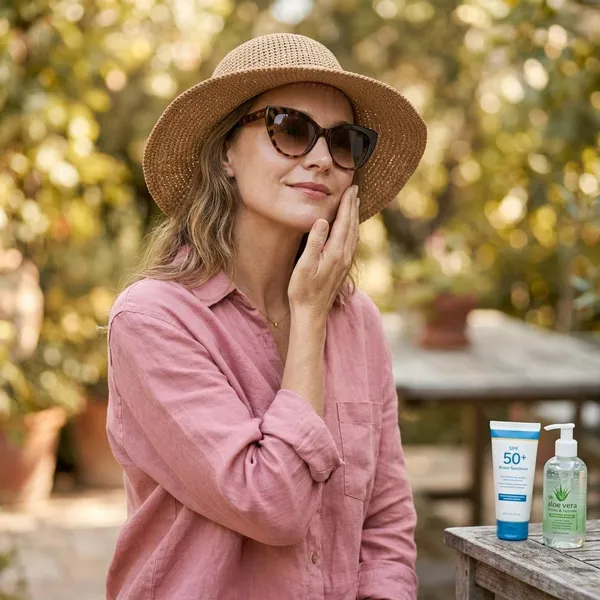
Physical protection is the practical backup that makes summer recovery easier. A wide-brimmed hat, sunglasses, shade, UPF clothing, or an umbrella can protect your skin when sunscreen gets worn down by heat and sweat. For example, if you must attend an outdoor event soon after treatment, shade plus a hat is much safer than relying on one morning layer of SPF.
Avoid beaches pools and intense sun exposure during recovery
Beaches and pools are difficult recovery environments because they combine direct sun, reflected light, heat, water, and long exposure time. If you already have a pool day or beach trip planned, schedule IPL after it rather than before it. That small timing change often does more for safety than trying to manage perfect aftercare in an unrealistic setting.
How to Decide If You Should Book IPL This Summer
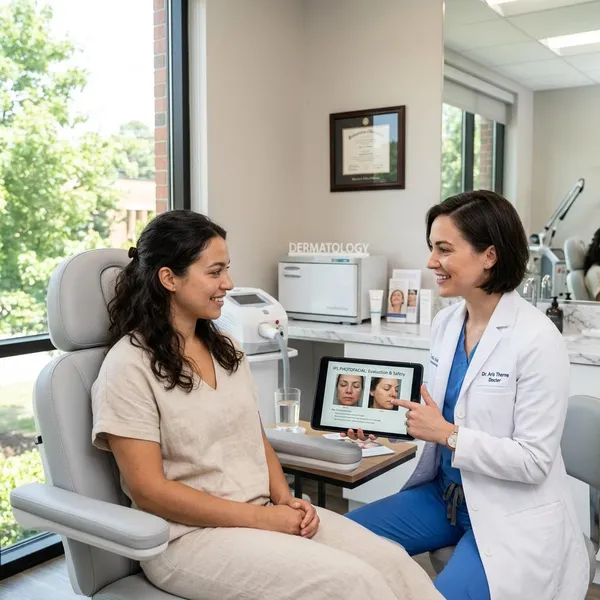
The best decision is based on your skin today and your calendar next, not on whether summer IPL is generally "allowed." If your skin is at baseline and your next couple of weeks are quiet, treatment may be reasonable. If your skin is sun-darkened or your schedule is full of outdoor exposure, waiting for a less sunny window is usually smarter.
Check your current skin tone and sun exposure history
Start with the simplest comparison: does the treatment area match your normal untanned skin? Old photos from winter or a less sunny month can help if you are unsure. Pay attention to the face, chest, shoulders, hands, and neck because these areas often collect incidental summer sun before you notice it.
Consider upcoming vacations and outdoor plans
Look beyond the appointment date. A person booking IPL during a quiet work-from-home week has a very different risk profile from someone leaving for a beach trip three days later. IPL is usually elective, so there is rarely a good reason to force it into a recovery window you cannot protect.
Confirm you can follow recovery requirements
Before booking, ask yourself one honest question: can you follow the clinic's instructions even when summer plans get inconvenient? If the answer is yes, and your provider agrees your skin is ready, summer treatment may fit. If the answer is "probably not," save the appointment for a season or schedule that gives your skin a better chance to heal evenly.

Conclusion
IPL in summer is not automatically unsafe, but it is less forgiving than treatment during lower-sun months. Book only when your skin is untanned, your recent sun exposure is clear, and your next plans allow real protection rather than wishful thinking. If you are trying to decide between rushing now or waiting a few weeks, waiting is often the more sensible choice.