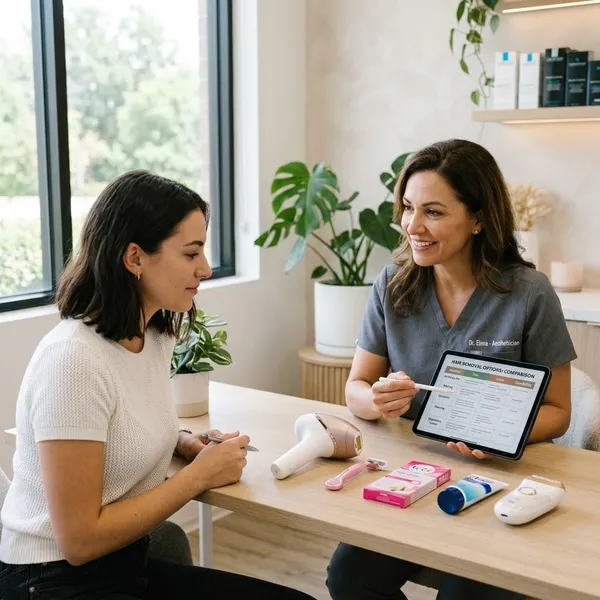
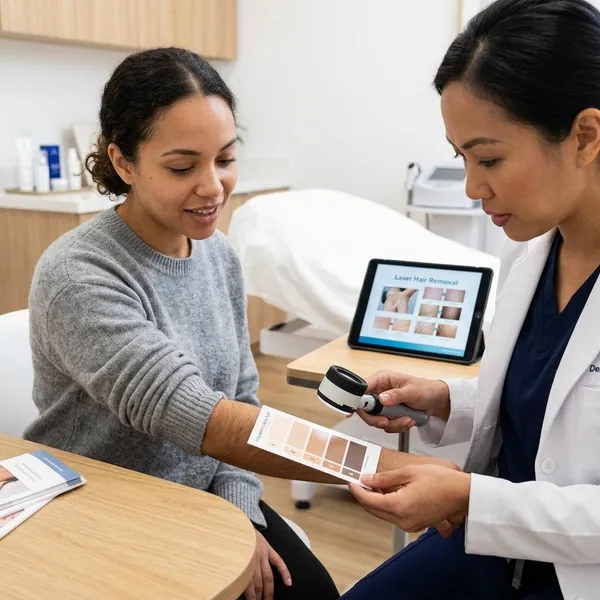
The safest way to learn how to use an IPL hair removal device is to treat it like a heat-based routine, not a quick shaving replacement. Check that your skin tone and hair color are suitable for your device, shave first, start conservatively, and move in a clean pattern so you do not miss patches or over-treat one spot.
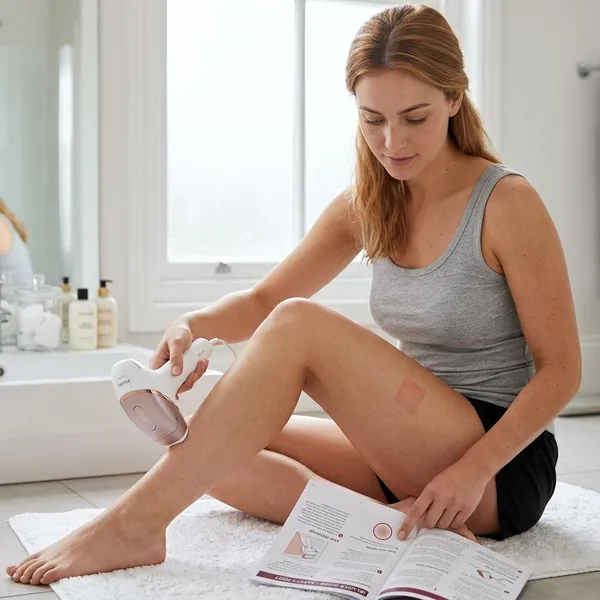
How to use an IPL device step by step
Before the first full session, do three checks: your device is approved for your skin tone and hair color, the area is freshly shaved, and your skin is clean, dry, and calm. If you have recently tanned, have irritation, or are unsure about a mole, tattoo, medication, or skin condition, pause and follow the device manual or ask a professional before using IPL.
- Shave the area the same day or the day before, depending on how easily your skin gets razor irritation.
- Wash off lotion, deodorant, sunscreen, body oil, and makeup.
- Do a patch test before your first session or before increasing the setting on a sensitive area.
- Choose a low or moderate intensity first, then adjust only if your skin handles it well.
- Place each flash next to the last one and work in rows or small zones.
If you are treating legs for long-term hair reduction, a row-by-row pattern matters more than speed. If you are doing a small area before a holiday or summer clothing season, resist the temptation to over-flash; one rushed session will not replace a consistent schedule.
Choose a suitable intensity
Pick the highest setting that feels comfortable and is allowed for your skin tone, not the highest setting on the device. A quick warm snap can be normal, but sharp pain, strong lingering redness, or a burning feeling means you should stop and lower the intensity next time.
Different areas can need different levels. Legs often tolerate more than underarms, bikini line, or facial areas approved by the manufacturer. If your device has a skin sensor, use it, but still judge the actual skin response after the flash.
Place the window flat on the skin
Hold the treatment window flat against the skin so the device has full contact before flashing. If it will not fire, the problem is often the angle rather than the device itself, especially around ankles, knees, underarms, or curved bikini-line areas.
Flash one area at a time
Treat one small section, then move to the next. This is easiest in stamp mode on compact areas because you can see where each flash has landed instead of guessing.
Work across the area systematically
A simple pattern prevents both missed strips and unnecessary overlap. On a lower leg, start near the ankle and move upward in straight rows; on an underarm, divide the area into two or three small zones.
Good lighting helps more than people expect. If you cannot clearly see where you have been, pause and reposition rather than trying to fix the area with random extra flashes.
Avoid repeatedly flashing the same spot
Do not keep flashing the same patch in one session to "make it work better." IPL works over repeated sessions and hair-growth cycles, while repeated heat on one spot mainly increases the chance of irritation.
Which IPL mode should you use?
Use stamp mode when accuracy matters and glide mode when even coverage over a larger area matters. You do not need to choose one mode for the whole body; switching during the same session is often the most practical approach.
Stamp mode for smaller areas
Stamp mode is better for underarms, bikini line edges, toes, fingers, knees, ankles, and manufacturer-approved facial zones because you control each flash. It is slower, but the slower pace makes it easier to avoid overlapping on curved or narrow skin.
Glide mode for larger areas
Glide mode suits legs, arms, stomach, chest, or other broad areas because the device flashes as you move. The trick is to move slowly enough that the pulses sit close together without leaving untreated gaps.
If you are a beginner, try stamp mode for the first few minutes even on a larger area. Once you understand the flash size and rhythm, glide mode feels much less random.
Higher settings only when suitable
Higher settings are only worth using when your device allows them for your skin tone and the area still feels comfortable. If a stronger level makes you dread the next session, it is not a good setting for a routine you need to repeat.
Lower settings for sensitive areas
Use lower settings for areas that react quickly, such as underarms, bikini line, or approved facial areas. A lower level used consistently is usually more useful than a high level that leaves the skin sore, especially if clothing friction or shaving already makes the area sensitive.
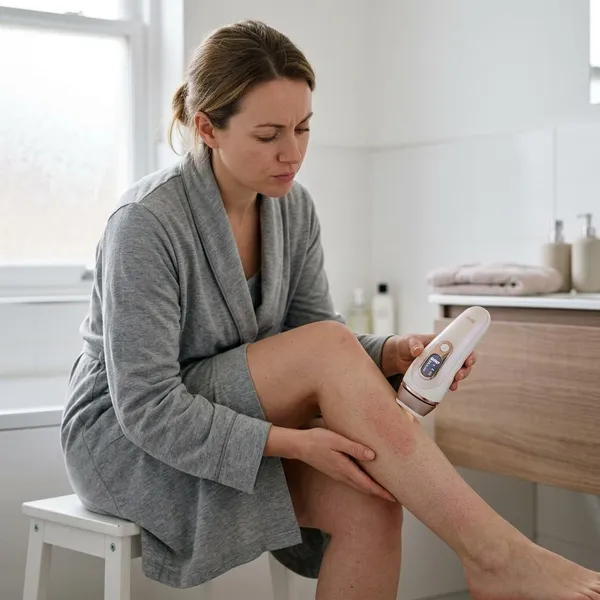
What should you do after IPL?
After IPL, the main job is to keep the treated skin calm. Think of aftercare as damage control: reduce heat, avoid harsh products, protect exposed skin from UV, and clean the device before putting it away.
- If the skin feels warm: use gentle cooling and avoid hot showers for the rest of the day.
- If the area rubs against clothing: choose loose fabric after treating underarms or bikini line.
- If the area will see daylight: use sun protection and avoid tanning.
Keep the skin cool and comfortable
A cool compress can help if the skin feels warm, pink, or tingly. Avoid direct ice, steam rooms, hot baths, and intense workouts until the skin feels normal again.
Use gentle skincare
Keep skincare plain for the rest of the day, or longer if your skin is reactive. A fragrance-free moisturizer or simple aloe gel is usually enough; strong acids, retinoids, scrubs, and perfumed lotions can sting after IPL.
This matters most for people who shave and use IPL on the same day. If your legs or underarms already feel dry from shaving, do not add exfoliation on top of that irritation.
Protect exposed skin from the sun
Use extra caution with areas like the face, arms, chest, and lower legs because they are more likely to get sun exposure after treatment. Avoid tanning beds and strong direct sun, and use broad-spectrum sunscreen on exposed skin according to the product directions.
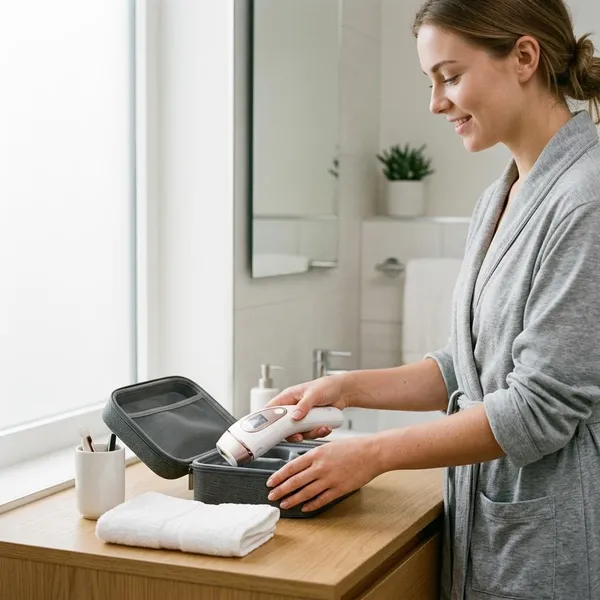
Clean the treatment window
Let the device cool, then wipe the treatment window with a soft, lint-free cloth as your manual allows. If you see residue, cracks, discoloration, or anything unusual on the window, do not keep using it until you have checked the manufacturer's guidance.
Conclusion
A good IPL routine is not about using the strongest flash or finishing as fast as possible; it is about matching the setting to your skin, covering the area evenly, and giving your skin time to stay calm between sessions. If you shave first, work methodically, avoid repeated flashes, and treat aftercare as part of the process, home IPL becomes much easier to do consistently.