If you are thinking about IPL for blotchy color, dark spots, or facial redness, the first thing to know is that it is mainly a tone-correcting treatment, not a resurfacing treatment. It can make skin look clearer and more even when the problem is pigment or small visible vessels, but it is not the right tool for deep wrinkles, loose skin, or every type of discoloration.
What is an IPL photofacial?
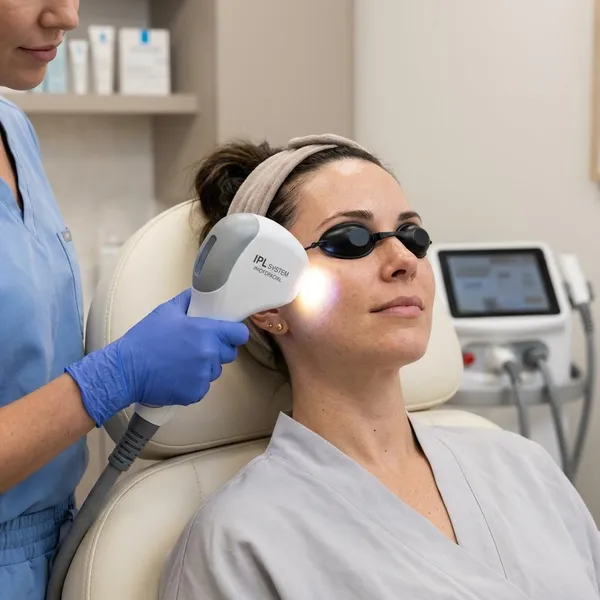
An IPL photofacial is a light-based treatment used to improve visible discoloration in the skin. The device sends controlled flashes of broad-spectrum light into the treatment area, where the energy is absorbed by targets such as excess pigment or tiny surface-level blood vessels.
Uses broad-spectrum light
IPL is different from a single-wavelength laser because it uses a range of light wavelengths. Filters and settings help narrow that light toward the concern being treated, such as brown pigment or visible redness.
That flexibility matters when the skin has more than one issue. Someone with sunspots on the cheeks and mild redness around the nose may need a different plan from someone with mostly scattered freckles across the forehead.
Targets pigment and redness
The two main targets are melanin and blood in superficial vessels. Melanin is involved in brown marks such as sunspots and some freckles, while small vessels can contribute to red lines, flushing, or a blotchy look.
- Brown pigment: treated spots may temporarily darken before they fade or flake.
- Redness: visible vessels may become less noticeable over several sessions.
- Mixed tone: mild pigment plus background redness can make skin look uneven even when the texture is smooth.
Treats skin rather than removing layers
IPL does not remove the top layer of skin in the way an ablative resurfacing treatment does. That is why downtime is usually lighter, with many people seeing temporary warmth, redness, or darker-looking spots rather than open peeling skin.
This lower-downtime profile is useful for someone who wants gradual improvement without taking a long break from normal routines. It still requires sensible aftercare, especially sun protection, because freshly treated pigment can be more reactive to UV exposure.
What can IPL improve?
IPL is best suited to visible color irregularities. Before booking, check whether your concern is mostly brown, red, or textural. Brown and red concerns are more typical IPL targets; rough texture, deep lines, and severe scarring usually need a different conversation.
Sunspots and age spots
Sunspots and age spots are among the common reasons people choose IPL. These marks often come from long-term UV exposure and tend to respond better when the pigment is closer to the surface.
A normal response can look odd at first: the spot may darken, feel slightly dry, and then gradually shed or fade. The mistake to avoid is trying to scrub it off. Let the skin settle and protect it from sun exposure while it clears.
Freckles and uneven pigmentation
Freckles that become more noticeable after sun exposure may soften with IPL, especially when they are superficial. Uneven pigmentation from deeper or hormonal causes can be less predictable, so it should not be treated as a simple "dark spot" problem without assessment.
If your pigmentation changes with pregnancy, hormonal medication, or heat, mention that before treatment. In those cases, the safer decision may be a slower plan, a different treatment, or careful test-spotting rather than a full-face aggressive session.
Broken capillaries
Fine red lines around the nose, cheeks, or chin can improve when they are superficial enough for IPL to target. Larger or deeper vessels may need a different vascular treatment, so the size and pattern of the redness matter.
Facial redness
IPL can help facial redness when small visible vessels or sun-related vascular changes are part of the problem. It is less straightforward when redness comes mainly from irritation, a damaged skin barrier, or active inflammation.
For someone who flushes after hot showers, spicy food, alcohol, or intense workouts, IPL may reduce some background redness, but it will not remove every trigger. A calmer skincare routine and avoiding repeated heat stress can make the result easier to maintain.
Uneven skin tone
Uneven tone often comes from several small issues rather than one obvious mark. A few freckles, faint redness, and small sunspots can combine to make the face look dull or patchy in daylight.
IPL is useful in that kind of mixed-color situation because it can address more than one visible tone concern in a treatment plan. The result is usually a cleaner, more balanced look rather than a dramatic change in facial shape or skin firmness.
What happens during treatment?
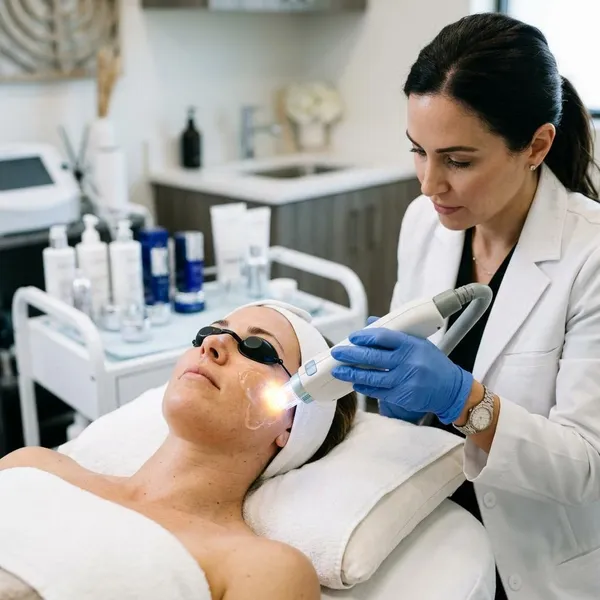
A good IPL appointment is not just a quick pass with a device. The provider should check your skin, ask about recent sun exposure and sensitivity, protect your eyes, choose settings carefully, and explain what your skin should look like afterward.
If you are planning treatment before a holiday, wedding, or outdoor event, timing matters. IPL is usually easier to manage when you can avoid strong sun and heat afterward, so many people choose cooler months or a quieter week rather than the middle of a beach trip.
Skin cleansing and eye protection
The skin is usually cleansed first so makeup, sunscreen, oil, and residue do not interfere with the treatment area. Proper eye protection is essential because IPL produces intense flashes of light that should not reach unprotected eyes.
Cooling gel when needed
Some systems use cooling gel, while others rely on built-in cooling in the handpiece. Either way, cooling is there for comfort and surface protection, not just for a nicer treatment experience.
This is especially helpful on reactive areas such as the cheeks or around the nose, where heat can feel sharper and redness may linger more easily.
Controlled light pulses
The provider delivers short pulses across the planned area, usually in a careful pattern rather than randomly flashing the skin. Each pulse may feel like a warm snap or elastic-band flick.
The goal is enough energy to affect pigment or vessels without overheating the surrounding skin. Too little energy may do almost nothing; too much can increase the risk of irritation, burns, or unwanted pigment changes.
Settings matched to your skin
This is the step that separates a thoughtful photofacial from a generic device session. Settings should reflect your skin tone, recent tanning, sensitivity, medication history, and whether the target is brown pigment, redness, or both.
- Check recent sun exposure first: freshly tanned skin is usually a reason to delay.
- Ask how your skin tone affects risk: more natural melanin can make IPL trickier.
- Mention melasma or past pigment problems: these can change the treatment plan.
- Expect adjustment, not autopilot: one preset should not be used for every face.
Post-treatment skin care
After treatment, skin may feel warm, pink, or mildly sensitive. Brown spots may look darker before they improve, which can be normal, but blistering, severe swelling, or unusual pain should be checked by the provider.
- Keep cleansing gentle: skip scrubs, brushes, and strong exfoliants for the first few days.
- Use moisturizer: support the barrier instead of trying to force faster peeling.
- Wear daily sunscreen: UV exposure can bring pigment back or worsen uneven tone.
- Avoid extra heat while skin feels warm: saunas, hot showers, and hard workouts can prolong flushing.
Home IPL vs professional photofacial IPL
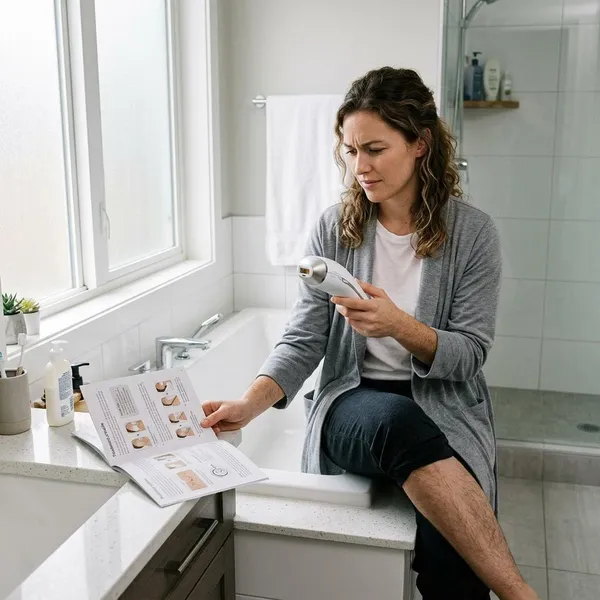
Home IPL and professional photofacial IPL are often confused because the names sound similar. The important difference is purpose: most home IPL tools are designed mainly for unwanted hair, while clinic photofacial systems are used with settings and filters aimed at skin tone concerns.
Home IPL mainly targets unwanted hair
Most at-home IPL devices are built to target pigment in hair follicles. They are usually lower powered and less adjustable because they are meant for unsupervised consumer use.
That safety limitation is useful for hair reduction, but it also means you should not expect the same control for facial pigmentation, broken capillaries, or persistent redness. Using a home device outside its intended purpose can be ineffective and may irritate the skin.
Photofacial systems target skin concerns
Professional photofacial systems are selected and adjusted for concerns such as brown spots, red vessels, and uneven tone. A provider can treat different areas differently instead of applying one broad consumer setting everywhere.
That matters on real faces. The cheeks may have diffuse redness, the temples may have sunspots, and the nose may have tiny visible vessels. A skin-focused plan should account for those differences.
Professional devices offer more control
Professional treatment offers more control over filters, pulse timing, energy, cooling, and treatment pattern. Just as important, a trained provider can decide when IPL is not the best option.
The most sensible choice is not always the strongest treatment. For lower-risk cases, such as light sunspots on untanned fair skin, IPL may be fairly straightforward. For higher-risk situations, such as darker skin tones, recent tanning, suspected melasma, or very reactive skin, the safer path is a careful consultation before any light treatment is used.
Conclusion
IPL is worth considering when your main frustration is color: brown sun damage, freckles, small vessels, redness, or a generally uneven tone. The best first step is to identify whether the problem is pigment, redness, or something deeper, then choose professional assessment if the concern is on the face or if your skin has any higher-risk factors. Home IPL has its place for hair reduction, but it should not be treated as a shortcut to a clinical photofacial.