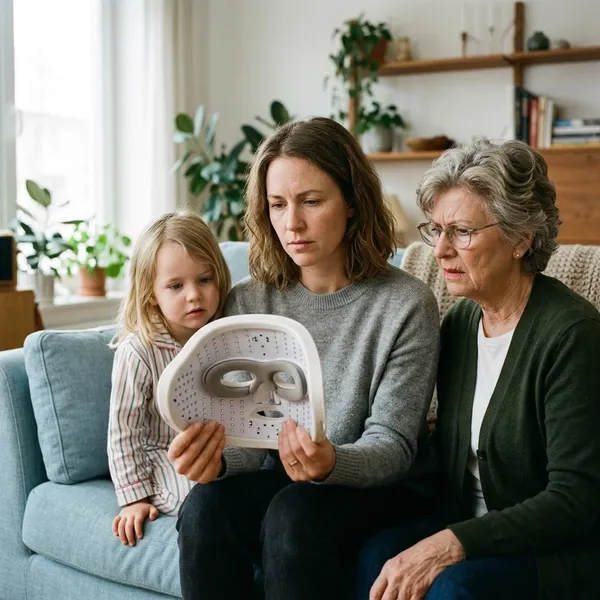
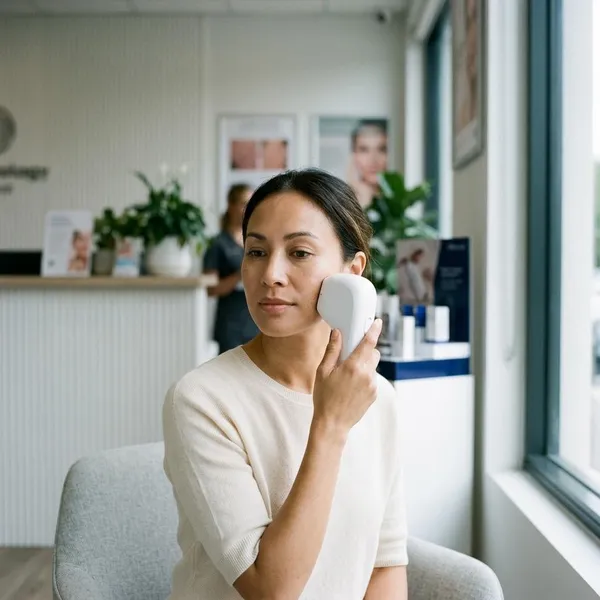
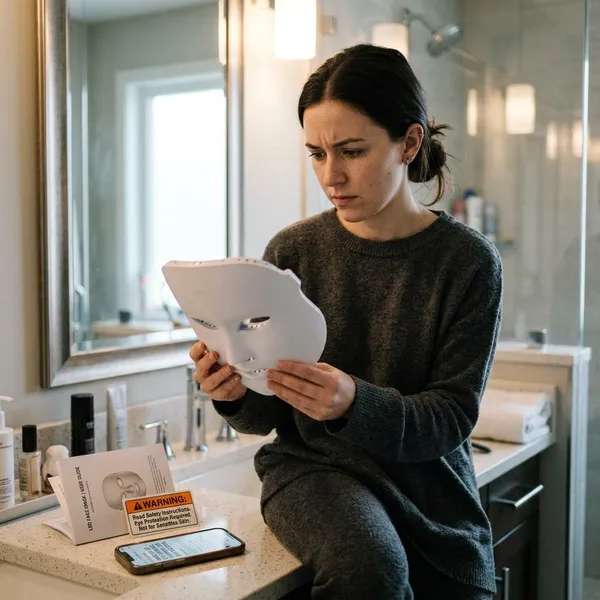
Sapphire ice cooling can make IPL more comfortable on sensitive skin, but it does not make IPL automatically safe for every darker skin tone. The first thing to check is still whether your natural skin tone and hair color are approved for the device. If your tone is outside the brand's chart, a cool treatment window should not be used as a workaround.
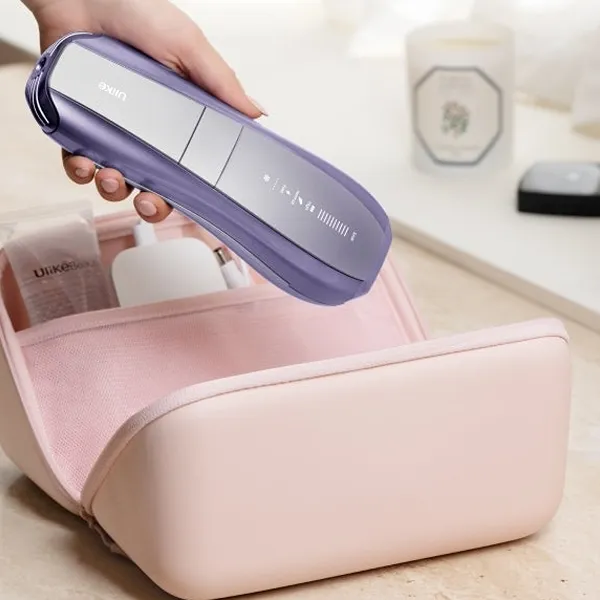
How does sapphire ice cooling work?
Sapphire ice cooling is a contact-cooling feature built into some IPL devices. It helps keep the treatment window cool while the device flashes, so the skin surface feels less hot during use. That is useful for comfort, especially if you are nervous about stinging, but the IPL flash still works through light and pigment.
Sapphire stays in contact with the skin
The sapphire window touches the skin directly, so the cooling happens at the same spot where the flash is delivered. That direct contact is the point of the feature: it cools the treatment surface instead of only cooling the air around it.
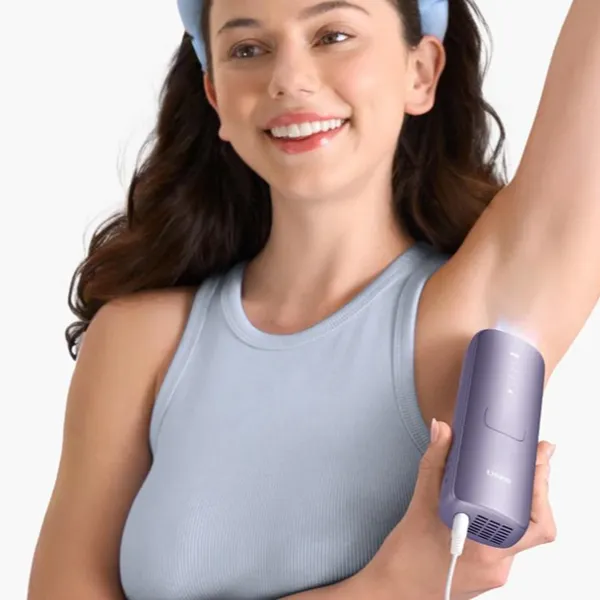
On curved or sensitive areas such as underarms, ankles, or the bikini line, this can make the device feel steadier and less sharp. It still does not change whether that area is suitable for your skin tone.
Cooling lowers heat at the treatment surface
Cooling mainly affects the upper surface of the skin. If your skin usually feels hot quickly during beauty devices or shaving leaves you reactive, this can make IPL feel less harsh.
- Helpful: reducing the hot snap at the surface.
- Not enough: making an unsuitable skin tone safe.
- Worth watching: redness that becomes painful, raised, or long-lasting.
A cooler window can reduce discomfort
A cool sapphire window can soften the stinging or snapping feeling some people notice with IPL. For someone treating a small area once a week, that may be the difference between finishing the session calmly and stopping early.
Comfort can be misleading, though. If the device feels cool but your skin tone is not approved, the risk has not disappeared; you may simply feel less warning heat at the surface.
Cooling works alongside the IPL flash
The cooling feature does not replace the IPL flash. It supports the treatment by cooling the contact point while the light still targets pigment in the hair.
Why does skin tone still matter with IPL?
Skin tone matters because IPL is attracted to melanin. The goal is for the light to be absorbed mainly by the pigment in the hair, but skin also contains pigment. When the surrounding skin absorbs too much light, the chance of irritation, burns, or pigment changes can rise.
IPL targets melanin in the hair
IPL usually works best when there is a clear contrast: darker hair against lighter surrounding skin. Black and dark brown hair often respond better because they contain more target pigment. Very light blonde, gray, white, and red hair may not absorb enough light for strong results.
Darker skin contains more melanin
Darker skin has more melanin in the epidermis, so the skin itself may absorb more of the IPL energy. That does not mean every darker skin tone is excluded from every home IPL device, but it does mean the approved skin tone chart becomes non-negotiable.
More skin pigment can absorb more light
More pigment in the treatment area can mean more light absorption where you do not want it. This is also why recently tanned skin is a different situation from your normal winter skin tone. Even a mild summer tan can make skin behave more like a higher-risk treatment area.
If you use self-tanner, spend a lot of time outdoors, or have a body area that is naturally darker than the chart example you compared against, wait and reassess instead of guessing lighter.
Lower hair-to-skin contrast can increase risk
Lower contrast makes IPL less selective. If both the hair and the surrounding skin are dark, the device has a harder job sending most of the useful heat toward the hair rather than the skin.
What does sapphire cooling help with?
Sapphire cooling helps most with the way IPL feels during and shortly after treatment. It can reduce surface heat, soften stinging, and make sensitive areas easier to tolerate. It is most useful after you already know the device is suitable for your skin tone and hair color.
Heat during treatment
For larger areas like legs or arms, cooling can help the skin feel less overheated after repeated flashes. That is practical if you are doing a full session rather than just testing a small patch.
The priority is still compatibility first, comfort second. A cooler feeling should never be used to push through a setting, area, or skin tone the manual does not allow.
Stinging and discomfort
Cooling can make the flash feel less sharp, especially on thin or reactive skin. If you tend to tense up before each pulse, a cooled window may make the routine feel more manageable.
- Normal: mild warmth or brief pinkness that settles.
- Not normal: strong pain, swelling, blistering, or grayish-looking skin.
- Best response: stop and follow the device guidance if the reaction feels unusual.
Redness from surface heat
Some temporary redness after IPL can come from surface heat and friction. A cooled treatment head may help limit that quick flushed look, especially on areas that rub against clothing.
For someone treating before a busy day, this comfort benefit matters. For someone prone to post-inflammatory hyperpigmentation, however, "less red right now" is not enough proof that the treatment is low risk.
Comfort on sensitive areas
Sensitive areas such as the upper lip, underarms, bikini line, knees, and ankles often feel more intense because the skin is thinner, curved, or close to bone. Sapphire cooling can make these spots easier to treat evenly instead of rushing or skipping patches.
Be more conservative on areas with darker pigmentation, friction marks, razor bumps, or old irritation. Sensitive skin and darker skin are not the same issue, but they can overlap in real use.
How to check if Ulike IPL suits your skin
Before using Ulike IPL, treat the safety check as a short decision process rather than a quick glance at one product claim. Start with your natural, untanned skin tone, then check your natural hair color, the manual, and a patch test. If any step gives you a clear "not suitable," stop there.
Check the skin tone chart
Use the official skin tone chart for the exact device model, and compare it with the body area you plan to treat. Do this in bright, neutral light and use your normal untanned skin tone as the reference.
Check your natural hair color
Look at your natural hair color, not dyed or bleached hair. IPL generally needs enough pigment in the hair to work well, so black and dark brown hair are usually better candidates than gray, white, red, or very light blonde hair.
If your skin tone is approved but your hair color is not a good IPL target, cooling will not fix the effectiveness problem. You may be using the device without much benefit.
Follow the device compatibility guidance
The manual is where the practical limits usually become clear. Marketing may focus on cooling and comfort, but compatibility guidance tells you where and when not to use the device.
- Match the exact treatment area to the skin tone chart.
- Check whether your natural hair color is suitable for IPL.
- Avoid freshly tanned, sunburned, inflamed, or broken skin.
- Keep flashes away from tattoos, very dark moles, and dark spots unless the manual gives specific safe handling instructions.
- Be extra cautious if you have melasma, eczema, frequent hyperpigmentation, or unusually reactive skin.
Patch test before full treatment
Do a patch test on a small, discreet area before treating a larger zone. Follow the brand's timing for how long to wait afterward; many devices recommend waiting at least a day, but use the instruction manual as your source.
This is especially important if you have sensitive skin, a deeper skin tone within the allowed range, or a history of marks after irritation. A comfortable first flash does not guarantee your skin will look fine later.
Avoid areas marked as unsuitable
Areas marked as unsuitable are not optional. Do not treat over tattoos, active rashes, open cuts, sunburn, very dark moles, or any body zones the brand excludes.
Conclusion
Sapphire ice cooling is a useful comfort feature, especially for sensitive areas and people who dislike the sting of IPL, but it should not be treated as permission to ignore skin tone limits. If your skin tone and hair color are approved, cooling can make regular use easier; if your tone is excluded, recently tanned, irritated, or borderline, the safer choice is to wait, skip that area, or ask a qualified professional before using IPL at home.