An IPL device is a light-based tool that uses Intense Pulsed Light to target pigment in hair or skin. For home users, it is mainly a gradual hair-reduction option, not an instant hair-removal fix. The first things to check are simple: your hair needs enough dark pigment, your skin tone must be compatible with the device, and you need to be willing to repeat treatments consistently.
How does IPL work?
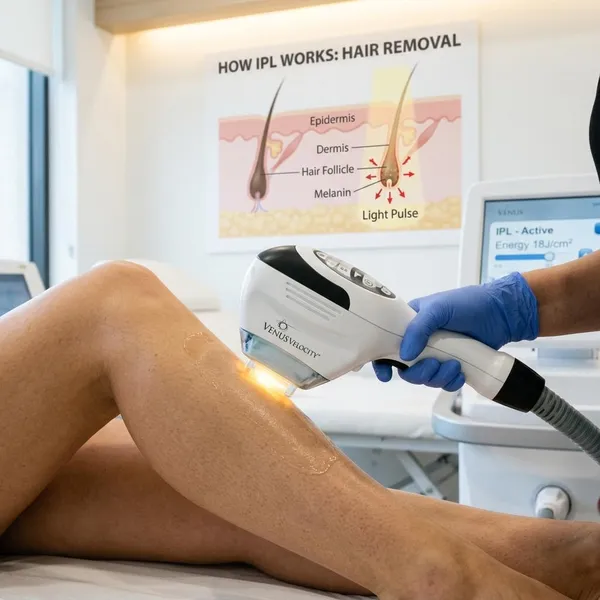
IPL sends short flashes of broad-spectrum light into the skin. Unlike a laser, which uses one focused wavelength, IPL uses a wider range of light, so the settings and filters matter. The goal is not to "burn off" hair or skin concerns on the surface, but to get light energy absorbed by a specific target.
Light is absorbed by target pigments
The flash is useful only if the target absorbs enough of it. Dark brown or black hair usually gives IPL a clearer target because it contains more melanin. Pale blond, white, gray, and many red hairs often respond poorly because there is not enough usable pigment for the light to lock onto.
Skin tone matters for the same reason. If the surrounding skin also absorbs a lot of light, the device has less contrast to work with and the risk of irritation or pigment changes can increase. Before buying a home device, compare your actual skin tone and hair color with the brand's compatibility chart, not just the marketing photos.
Heat affects the targeted tissue
Once the pigment absorbs the light, that energy becomes heat. In hair reduction, the heat affects the follicle enough to slow its ability to produce strong new hair. With professional pigmentation or redness treatments, the heat is directed toward different skin targets, so the settings and provider judgment become more important.
- Shaving is still needed first: IPL works best on clean, shaved skin because long surface hair can absorb heat where you do not want it.
- Warmth is normal: many people describe home IPL as a quick snap or mild sting.
- Sharp pain is not the goal: if a setting feels too intense, stop and reassess rather than pushing through.
Repeated treatments build results over time
IPL needs repetition because hairs are not all in the same growth phase at once. A single session may affect some follicles while others are not ready to respond yet. That is why a careful weekly or every-two-week starting routine often matters more than one aggressive session.
Think of it as long-term interruption, not instant removal. Someone treating dark underarm hair every week may notice progress faster than someone treating finer arm hair once in a while. Consistency, area size, hair color, and skin compatibility all shape the result.
What are IPL devices used for?
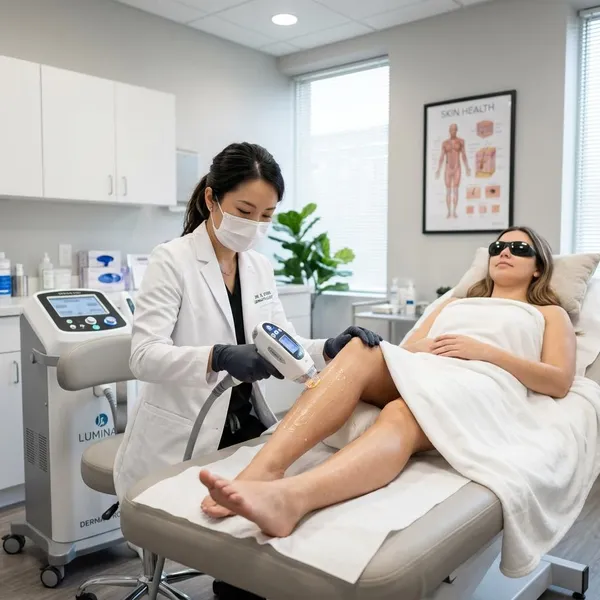
IPL devices are used for both hair reduction and certain cosmetic skin treatments. The important distinction is where the treatment happens. Home IPL is usually designed for controlled hair reduction, while professional IPL can be adjusted for concerns such as sun spots, redness, and photofacial treatments.
| Goal | Better setting | What to expect |
|---|---|---|
| Less body hair over time | Home IPL or clinic treatment | Gradual reduction, not instant smoothness |
| Brown spots or sun damage | Professional IPL | Targeted treatment after skin assessment |
| Facial redness or visible vessels | Professional IPL | Possible calming of redness over several sessions |
| Brighter, more even-looking skin | Professional photofacial | Subtle overall improvement, not deep resurfacing |
Who is home IPL best for?
Home IPL is best for people with darker unwanted hair, a compatible skin tone, and enough patience to follow a routine. It is less suitable if your hair is very light, your skin tone falls outside the device's approved range, or you want immediate permanent removal.
The quickest buying check is this: match your skin tone and hair color to the device chart before looking at price, flash count, or extra attachments. If the match is poor, a more expensive device will not magically fix the basic problem.
Darker unwanted hair
Dark unwanted hair is usually the strongest match for home IPL. Coarse underarm hair, lower-leg hair, and bikini-line hair often respond better than soft, pale, or sparse hair because the light has more pigment to target.
Different areas on the same person can behave differently. You might see clear progress on dark leg hair but barely notice a change on fine forearm hair. That does not necessarily mean the device is faulty; it may simply mean one area is a better IPL target.
Compatible skin tones
Compatible skin tone is a safety issue as much as a results issue. Most home IPL devices work best when the skin is light to medium and the hair is dark, though some models are approved for a wider range. The device manual or skin-tone chart should decide, not guesswork.
- Do a patch test first: treat a small area and wait as instructed before doing a full session.
- Avoid treating recently tanned skin: tanning can change how much light your skin absorbs.
- Pause on irritated skin: broken, inflamed, or freshly sunburned skin is not a good treatment surface.
Regular at-home users
Home IPL rewards routine. If you are willing to set aside time once a week or every other week during the starting phase, it can become manageable. Smaller areas like underarms are easier to keep up with; full legs take more patience.
For occasional users, the device may end up feeling disappointing. Skipping weeks makes it harder to catch hairs in the right growth phase and harder to judge whether the routine is working.
People seeking long-term hair reduction
The best expectation is long-term reduction: fewer hairs, slower regrowth, and softer remaining hair. If you are tired of constant shaving or recurring waxing appointments, that can be a useful trade-off.
What results can you expect from IPL?
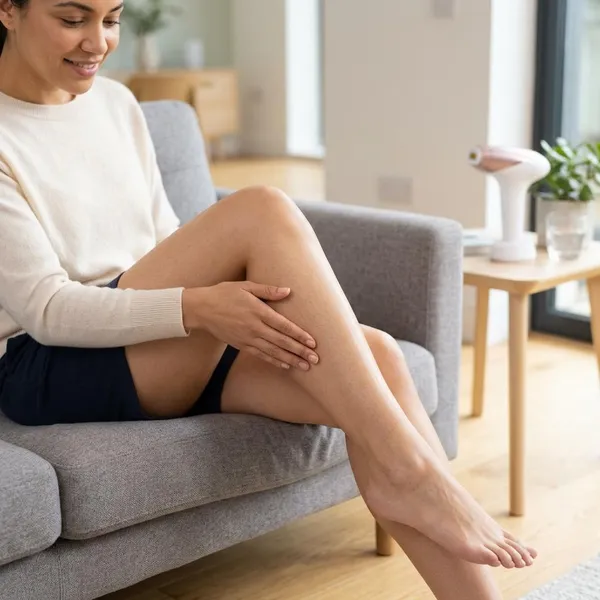
IPL results usually appear gradually. Most home users notice changes over several sessions, with slower regrowth often showing before dramatic thinning. The process can feel uneven at first, which is normal because follicles respond at different times.
Judge progress by your routine, not by one close-up inspection after a single use. If shaving becomes less frequent, stubble feels softer, or certain areas grow back in patches, the device may be doing what it is supposed to do.
Slower hair regrowth
Slower regrowth is often the first useful sign. Hair may still appear, but it takes longer to become visible or bothersome. For someone who normally shaves underarms daily, stretching that gap can feel more valuable than chasing perfect hairlessness.
Patchier growth
Patchier growth can happen when some follicles respond before others. It may look uneven for a while, especially on larger areas like legs. Keep treating in an organized pattern so missed strips do not get mistaken for "resistant" hair.
Finer remaining hair
Remaining hair may grow back thinner or softer. This can make stubble less obvious and the skin feel smoother between shaves, even when the area is not completely hair-free.
That result is often underrated. If your main frustration is rough regrowth after shaving, finer hair can make daily grooming feel much easier.
Less frequent shaving
Many people use IPL because they want to shave less often. This is where the practical value usually shows up: fewer rushed touch-ups, less razor friction, and a smoother feel for longer stretches.
For sensitive areas, fewer shaves may also mean fewer chances for bumps or irritation. It will not solve every skin issue, but reducing repeated razor use can help some routines feel calmer.
Maintenance over time
Maintenance is normal. After the starting phase, many users need occasional sessions to keep regrowth under control. The exact timing depends on the device, body area, hair type, and how your body responds.
Do not treat maintenance as failure. A realistic win is moving from constant hair removal to occasional upkeep. That is the difference that makes IPL worth considering for many home users.
Conclusion
An IPL device makes the most sense when your hair and skin are a good match and you want gradual, long-term reduction rather than instant removal. Check compatibility first, use the device on a consistent schedule, and be more cautious with pigmentation or redness concerns that belong in professional hands. If those basics line up, IPL can turn hair removal from a constant chore into occasional maintenance.