The practical difference in blue light vs red light wavelength is simple: blue light is shorter, higher-energy, and more surface-focused, while red light is longer, lower-energy, and usually reaches deeper into the skin. If you are comparing them for light therapy, start with the goal rather than the color name: active surface breakouts point more toward blue light, while recovery, redness, and skin support usually point more toward red light.
Blue Light vs Red Light Wavelength at a Glance
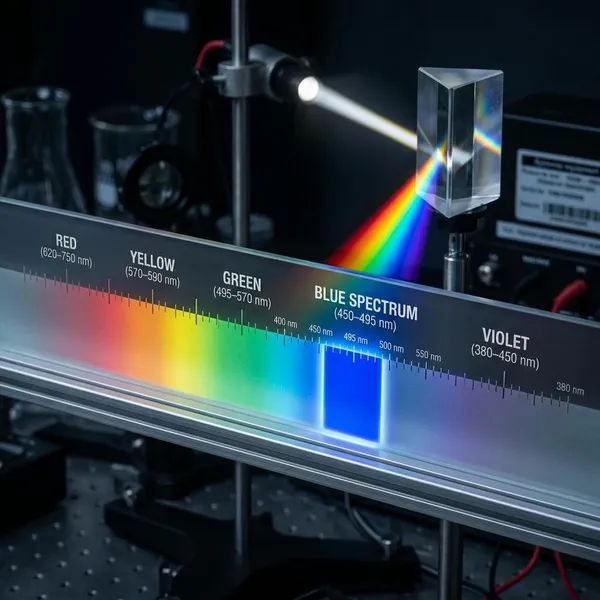
Blue and red light sit on different ends of the visible spectrum, so they do not behave the same way. Blue light has shorter wavelengths and higher frequency; red light has longer wavelengths and lower frequency.
For a quick first check, look for the nanometer range listed by a device or source. If a product only says "blue" or "red" without a wavelength, it is harder to judge what it is actually designed to do.
Blue light wavelength range from 450 to 495 nm
Blue light is usually described as visible light around 450 to 495 nm. Because this range is relatively short, blue light has a higher frequency and carries more energy per photon than red light.
That higher energy does not mean it is "stronger" in every useful way. In skin-focused uses, blue light is mainly relevant when the target is near the surface, such as acne-related bacteria and visible inflammatory breakouts. In daily life, blue-rich light also matters because bright exposure late at night can make sleep timing harder for some people.
Red light wavelength range from 620 to 750 nm
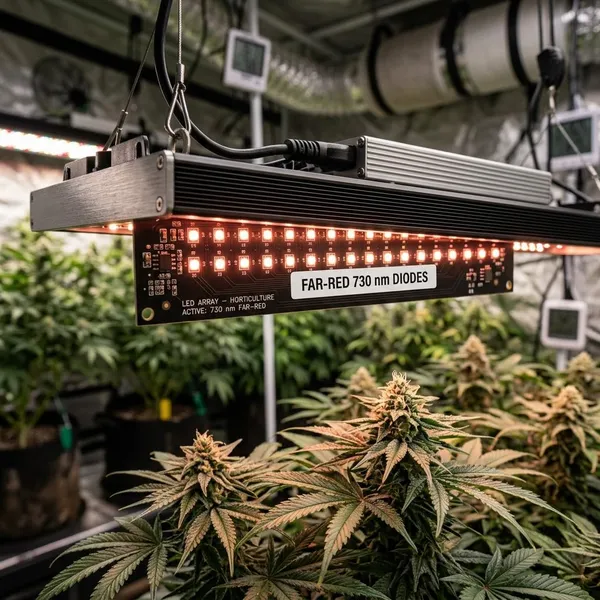
Red light usually falls around 620 to 750 nm. These longer visible wavelengths have lower frequency and lower photon energy than blue light, but they are better known for reaching deeper into the skin.
A useful distinction: red light is visible, while near-infrared sits just beyond visible red. Some devices combine both, but they are not the same wavelength range, so do not treat "red" and "infrared" as interchangeable labels.
Key Differences Between Blue Light and Red Light
The main differences are not just visual. Wavelength changes frequency, energy, penetration depth, and the kind of use case each light fits best.
If you only remember one decision rule, make it this: choose by target depth. Surface-level goals lean blue; deeper support and recovery goals lean red.
Wavelength and frequency differences
Blue light has a shorter wavelength, so it has a higher frequency. Red light has a longer wavelength, so it has a lower frequency. That physics difference is why the two are used for different purposes instead of being simple color alternatives.
- Blue: shorter wavelength, higher frequency, more surface-focused.
- Red: longer wavelength, lower frequency, deeper skin interaction.
- Device check: look for a stated nm range, not just a color name.
Energy levels across the visible spectrum
Blue light carries more energy per photon because energy rises as wavelength gets shorter. This is why blue-rich light can feel more stimulating in everyday lighting and why it is often discussed in relation to alertness, screens, and sleep timing.
Red light has lower photon energy, but that is not a drawback when the goal is skin support rather than surface targeting. For light therapy, the better match depends on the biological target and the device design.
Penetration depth and tissue interaction
Red light generally penetrates deeper than blue light. Blue light is absorbed more readily near the outer layers of the skin, while red light can travel farther into tissue.
This matters for real choices. Someone dealing with mild, recurring surface breakouts may care more about blue light. Someone whose main issue is lingering redness or skin that looks slow to recover after irritation may find red light more relevant.
Surface effects versus deeper effects
Think of blue light as the more surface-focused option and red light as the deeper-support option. That does not make one universally better; it simply gives each one a different job.
| Goal | Better starting point | Why it fits |
|---|---|---|
| Active surface breakouts | Blue light | Targets concerns closer to the outer skin layers |
| Post-breakout redness or recovery | Red light | Better aligned with deeper skin support |
| Both acne and recovery | Combined blue and red | Uses each wavelength for a different part of the routine |
| Evening room lighting | Warmer, lower-blue light | Less likely to feel alerting before sleep |
Blue Light vs Red Light in Light Therapy
In light therapy, the best question is not "Which color is better?" but "What am I trying to affect?" The answer changes depending on whether the concern is active acne, recovery, redness, skin texture, or general light exposure habits.
Home devices also vary a lot. Before buying or using one regularly, check the stated wavelength, intended treatment area, recommended distance, session time, and whether eye protection is advised.
Blue light for surface-level acne concerns
Blue light for acne is most relevant when breakouts are near the surface and the goal is to reduce acne-related bacteria as part of a broader routine. It may be more useful for mild to moderate inflammatory acne than for deep cystic acne, which often needs a different approach.
Use extra caution if your skin already feels dry, irritated, or over-treated from strong acne products. In that situation, adding frequent blue light sessions may not be the first thing to try; simplifying the routine or getting professional advice may be more sensible.
Red light for deeper skin support
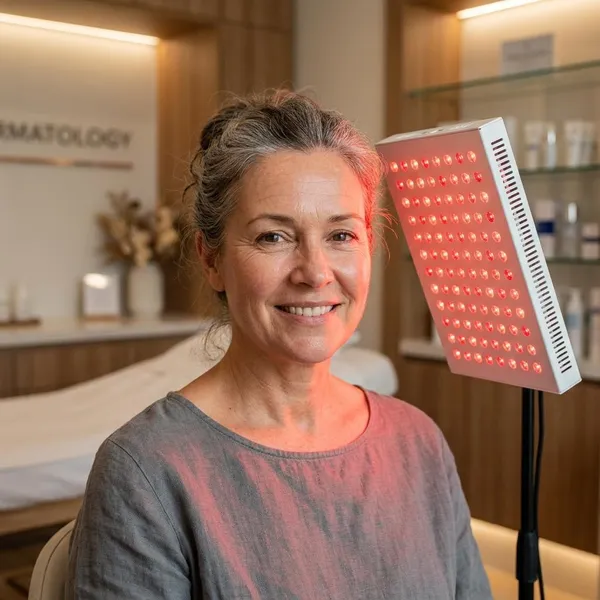
Red light for skin is usually chosen for support rather than direct acne targeting. People often look at it for visible redness, post-breakout marks, texture, and skin that needs a calmer recovery-focused routine.
A realistic expectation helps. Red light may support the look and feel of the skin over consistent use, but it should not be treated as a cure-all for every skin concern. If a device promises dramatic changes without explaining wavelength, intensity, or use schedule, that is a warning sign.
Combined blue and red light therapy approaches
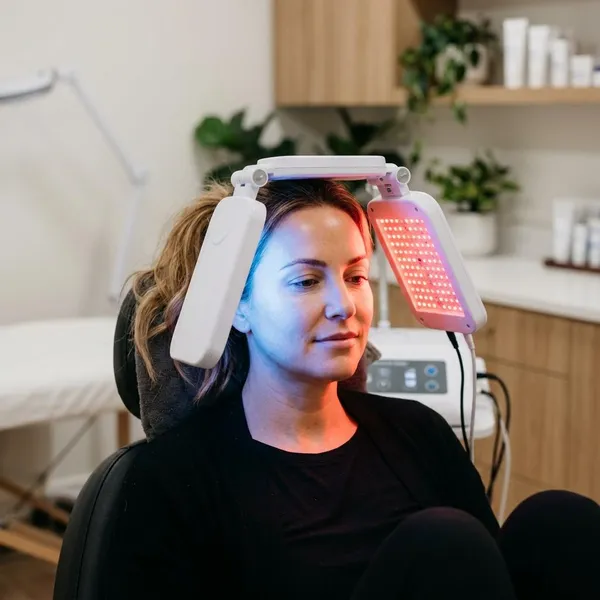
A combined routine can make sense when you have two separate goals: fewer active breakouts and better-looking recovery afterward. For example, someone with occasional surface pimples and lingering redness may benefit more from a blue-red device than from choosing only one color.
- Pick the main problem first. Active acne leans blue; recovery and redness lean red.
- Check the listed wavelengths. Color words alone are not enough.
- Follow moderate timing. Longer sessions are not automatically better.
- Watch your skin response. Dryness, stinging, or extra irritation means the routine may be too much.
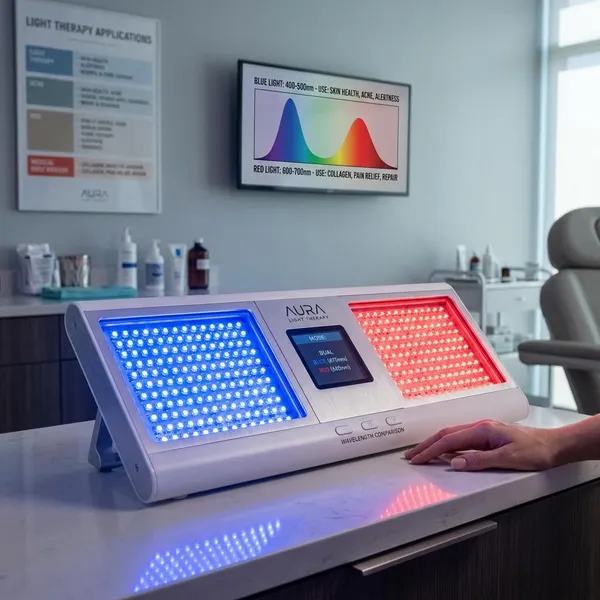
How to Choose Between Blue Light and Red Light
Choose by purpose first, then by wavelength. The most useful order is: identify the target, check whether it is surface-level or deeper, then look for a device that clearly states its nm range and practical use instructions.
There are also situations where neither light should be your first move. Severe acne, painful cysts, unexplained skin changes, eye sensitivity, or photosensitizing medications call for more caution than a casual at-home device routine.
Choosing blue light for acne-related goals
Choose blue light if your main concern is active, surface-level acne. It is a better fit for recurring inflammatory blemishes than for skin aging, post-treatment recovery, or general skin firmness.
For a temporary breakout before an event, blue light may be tempting, but do not expect overnight correction. For long-term acne management, consistency and a simple non-irritating skincare routine matter more than pushing sessions longer than recommended.
Choosing red light for skin recovery goals
Red light is the better starting point when your skin concern is recovery, visible redness, texture support, or the look of fine lines. It is especially relevant after the most active breakout stage has passed and the goal shifts from "stop new spots" to "help skin look calmer."
- Better fit: redness, recovery, texture, visible aging support.
- Weaker fit: direct control of active surface bacteria.
- Best habit: use consistently but conservatively, especially with sensitive skin.
Choosing based on wavelength and treatment purpose
The safest buying filter is to ignore vague color claims and look for a clear wavelength range. A skincare device that lists nm values, session guidance, and safety notes is easier to evaluate than one that only uses broad wellness language.
Match the purpose to your situation. A teenager with oily, recurring surface breakouts may reasonably compare blue-light acne devices. An adult more concerned with post-breakout redness or early fine lines may get more relevant use from red light. Someone mainly worried about sleep should think less about therapy devices and more about reducing bright blue-rich light at night.
Conclusion
Blue light and red light are useful for different reasons: blue is shorter, higher-energy, and more surface-focused, while red is longer, lower-energy, and usually better for deeper skin support. If you are choosing for light therapy, start with the problem you actually want to address, then check the wavelength and safety guidance before trusting broad product claims.