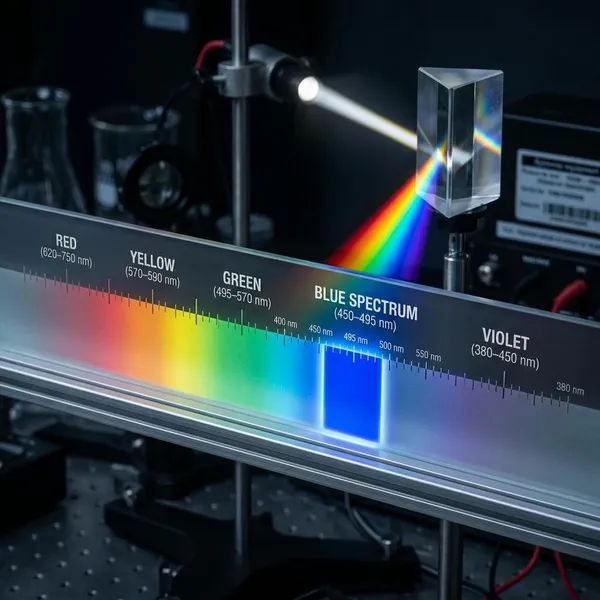
If you are choosing a device mainly for fine lines, the safest starting point is red light in the 630–660 nm range. Near-infrared wavelengths such as 810–850 nm can be useful, but they are better treated as extra depth rather than the main answer for visible wrinkles. The practical choice is not just the number on the box; it is whether the device covers the right area, feels easy to use, and fits a routine you can actually keep.
What red light wavelength is best for wrinkles?
For wrinkle-focused skincare, 630–660 nm is the range I would look for first. It is commonly used in facial LED masks and cosmetic red light devices because it lines up well with more visible skin concerns such as fine lines, uneven texture, and dullness.
| Wavelength range | Best fit | Watch out for |
|---|---|---|
| 630–660 nm | Fine lines, texture, facial skincare | Device fit and coverage matter more than choosing 633 vs 660 nm |
| 810–850 nm | Deeper support and more versatile use | Not usually the most direct choice if wrinkles are your only concern |
| Red + near-infrared | Face, neck, and broader routine | More wavelengths do not fix poor design or inconsistent use |
630–660 nm for wrinkle-focused red light
630–660 nm is the most relevant range if your main concern is crow's feet, forehead lines, smile lines, or early texture changes. A device around 633 nm and one around 660 nm can both be reasonable choices, so I would not reject a good product just because it uses one instead of the other.
810–850 nm for deeper near-infrared support
810–850 nm near-infrared light reaches deeper than visible red light, which is why it often appears in panels and mixed-use devices. It can be a sensible add-on if you want to use the same device beyond facial fine lines, such as on the neck or other body areas.
I would be more cautious about buying a near-infrared-only device if your goal is mainly visible facial wrinkles. It may still support skin-related processes, but it is not as directly matched to surface-level cosmetic concerns as 630–660 nm red light.
Red plus near-infrared for broader coverage
A combined device is useful when your goals are mixed: softer-looking fine lines on the face, plus broader coverage for the neck or body. This is the "one device for more situations" option, not automatically the best anti-wrinkle option.
- Choose red-only if you want a simple facial routine for fine lines.
- Choose combined wavelengths if more than one area or person will use the device.
- Skip the upgrade if the combined model has poor fit, vague instructions, or feels too annoying to use regularly.
How does red light help with wrinkles?
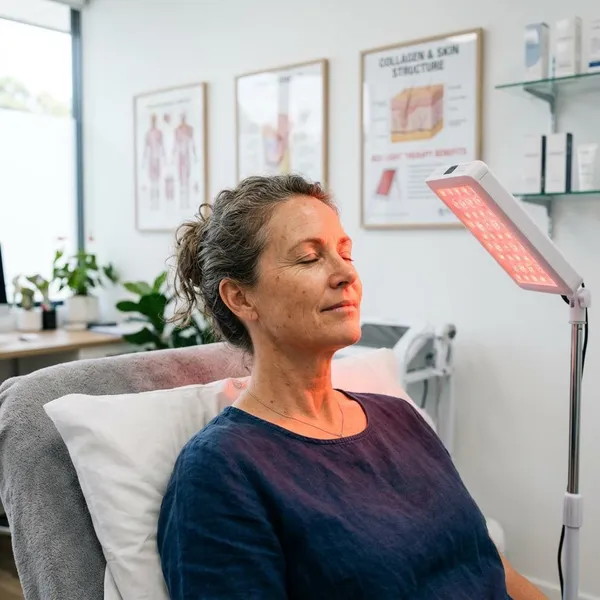
Red light does not work like a filler, peel, or laser treatment. It is usually discussed as a supportive skincare tool because certain wavelengths may influence cellular energy signaling, fibroblast behavior, collagen-related activity, and normal repair processes. That means the results, when they happen, tend to be gradual rather than dramatic.
Supports mitochondrial signaling
Mitochondria help cells produce usable energy, and red light may support signaling involved in that process. For skin, better-functioning cells may be one reason regular treatment is linked with healthier-looking texture and slower, steadier visible changes.
Stimulates fibroblast activity
Fibroblasts are involved in producing parts of the skin's support structure, including collagen-related components. When wrinkle care is the goal, fibroblast activity matters because fine lines are not only a surface dryness issue; they are also tied to how supported the skin looks underneath.
Supports collagen remodeling
Collagen remodeling is slow, so expectations need to stay realistic. Red light may support processes linked with firmer, smoother-looking skin, but it should not be treated as a quick tightening procedure.
Supports skin repair
Skin that is dry, irritated, or sun-stressed often makes wrinkles look sharper. Red light may support repair-related activity, but the basic routine still matters: gentle cleansing, moisturizer, and daily sunscreen usually do more to protect the progress than adding longer LED sessions.
Red light vs near-infrared for wrinkles
The main difference is depth. Red light is the more direct match for visible skin concerns, while near-infrared is used for deeper coverage. Deeper does not automatically mean better for wrinkles, especially when the wrinkle concern is fine lines around the eyes, mouth, or forehead.
Red light targets more superficial skin
Visible red light is commonly used for the skin areas where cosmetic aging signs show first. If your concern is makeup settling into fine lines, rough texture on the cheeks, or early forehead creases, a red-focused mask or panel is usually the cleaner choice.
Near-infrared reaches deeper tissue
Near-infrared may be more appealing if you want depth and versatility. For example, someone buying a panel for the face, neck, shoulders, and general recovery use may get more value from 810–850 nm than someone who only wants a quick evening skincare step.
Because near-infrared is invisible, do not use brightness as a quality check. Follow the device instructions, use any recommended eye protection, and be cautious if you have a medical condition or use photosensitizing medication.
Combined devices cover both ranges
Combined devices make sense when convenience and flexibility are the priority. They can cover the red range for facial skin and add near-infrared for deeper support, but only if the design is still practical.
- Mask: easiest for facial fine lines, less flexible for body areas.
- Panel: more flexible, but distance and positioning take more effort.
- Handheld device: good for small zones, but easy to use unevenly.
What results can you expect from red light therapy?
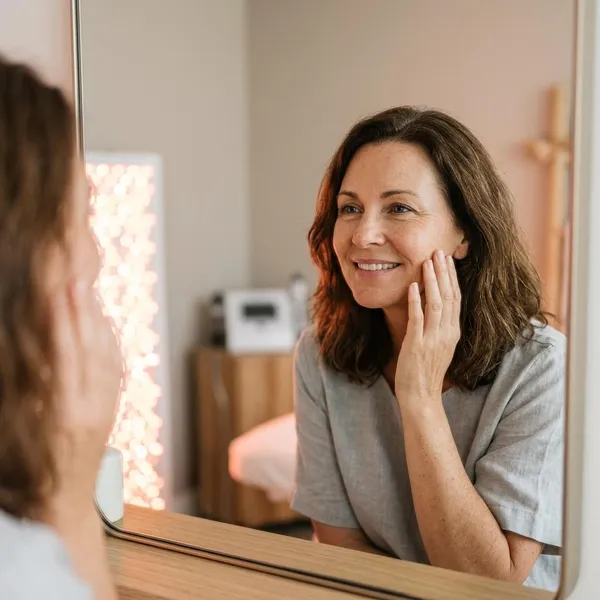
Expect gradual improvement, not a sudden before-and-after moment. Fine lines may look softer, skin texture may look smoother, and firmness may improve a little over time, but the changes depend heavily on consistency, starting skin condition, device quality, and the rest of your skincare habits.
For mild early lines, it is reasonable to watch for texture and freshness first. For deeper wrinkles or loose-looking skin, red light may still be a helpful support step, but it is unlikely to replace professional treatments if you want a major change.
Fine lines may soften gradually
Fine lines often soften by looking less sharp rather than disappearing. The most noticeable areas are usually small expression-prone zones such as around the eyes or mouth, where even a modest texture improvement can change how the skin catches light.
Skin texture may look smoother
Smoother texture is often easier to notice before wrinkle changes. A useful check is to take photos in the same lighting every few weeks instead of judging your skin under different bathroom lights each day.
Firmness may improve over time
Firmness changes tend to be slower and more modest. If your skin looks slightly tired or crepey, consistent red light may help it look more resilient; if you are dealing with pronounced sagging, it is better to see LED as supportive rather than corrective.
Visible changes usually need consistent use
- Will I use it several times a week? If not, choose a simpler format.
- Does it cover my problem areas? Crow's feet, forehead, and mouth lines need even exposure.
- Are the instructions clear? Guessing session time and distance is a bad sign.
Conclusion
For most people shopping specifically for wrinkle care, 630–660 nm red light is the most sensible first choice, while 810–850 nm near-infrared is useful when you want deeper or more versatile coverage. I would choose a comfortable, well-fitting red device over a complicated multi-wavelength product that will sit in a drawer. The wavelength matters, but the routine you can repeat is what gives it a fair chance to show visible results.