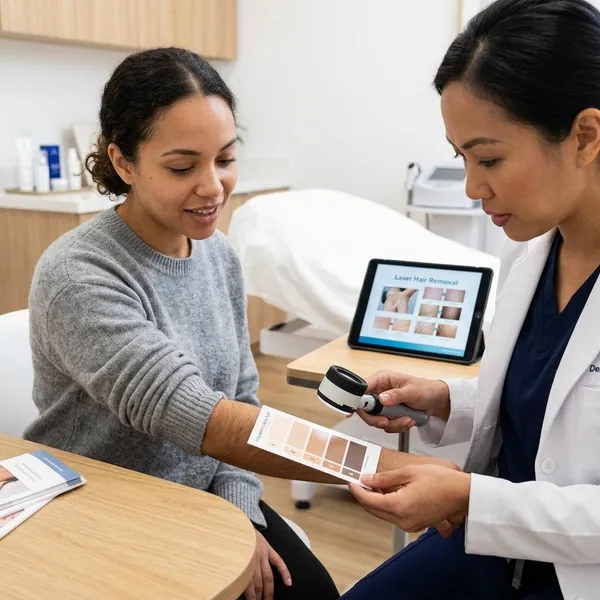
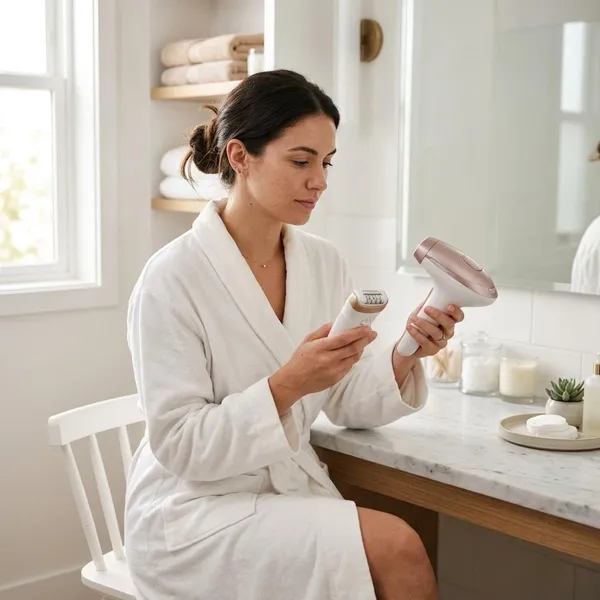
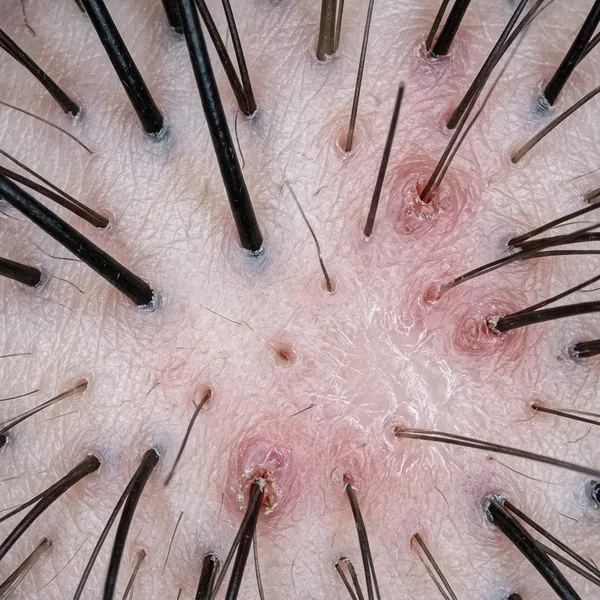
An ipl hair removal device with ice cooling tech is worth considering if heat or stinging is the thing that would make you avoid regular IPL sessions. The cooling does not make the light treatment stronger, and it does not make IPL suitable for everyone, but it can make the flashes feel easier to tolerate. Before paying extra for it, check skin and hair compatibility first, then decide whether comfort matters enough for the areas you plan to treat.
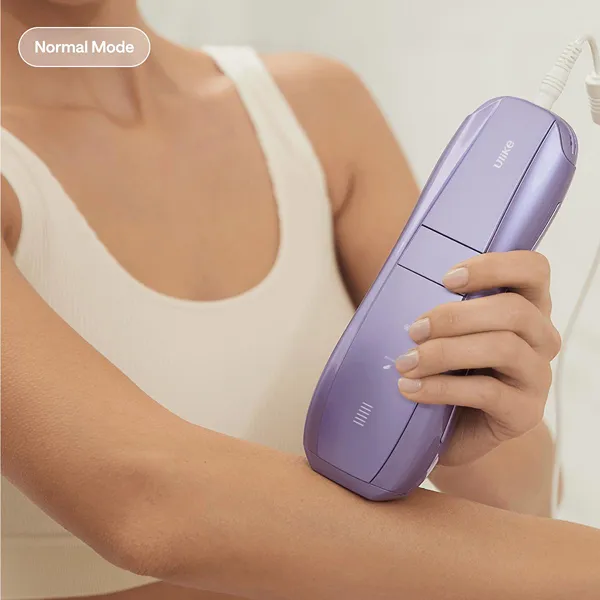
What does ice cooling actually do?
Ice cooling is mainly a comfort feature. IPL still works by sending light energy into the hair pigment; the cooling system simply changes how the treatment window feels against your skin during each flash.
Keeps the contact surface cooler
The cooling part is usually built around the treatment window, so the area touching your skin feels cooler while the IPL flashes are delivered. That matters because repeated flashes can make a normal device feel warmer as the session goes on.
Do not expect it to feel like holding an ice cube on your skin. A better expectation is a cooler, steadier contact point that takes the edge off the heat.
Reduces the heat sensation
Many people describe standard IPL as a quick warm snap. Cooling can soften that snap, especially when the device is flat against the skin and the intensity is not too high for the area.
- Coarse hair may still feel sharper.
- Bony or delicate areas can still be more sensitive.
- A lower setting may feel better for first sessions.
Improves comfort during longer sessions
This is where cooling becomes more than a pleasant feature. Treating one small facial area is very different from doing both legs or combining legs, underarms, and bikini line in the same evening. Less heat buildup makes it easier to move slowly and cover the area properly.
Helps sensitive areas feel more manageable
Cooling is often most noticeable on the upper lip, underarms, bikini line, knees, and ankles. These areas can feel more reactive even when the same setting feels fine on the legs.
If you already know you tense up before each flash, a cooling model may be a sensible upgrade. If your skin is irritated, recently sunburned, or not compatible with IPL, cooling is not a workaround.
Does ice cooling make IPL safer?
Ice cooling can make IPL feel gentler, but it does not make the device automatically safe. The bigger safety checks are still skin tone, hair color, patch testing, correct intensity, and using the device only on suitable areas.
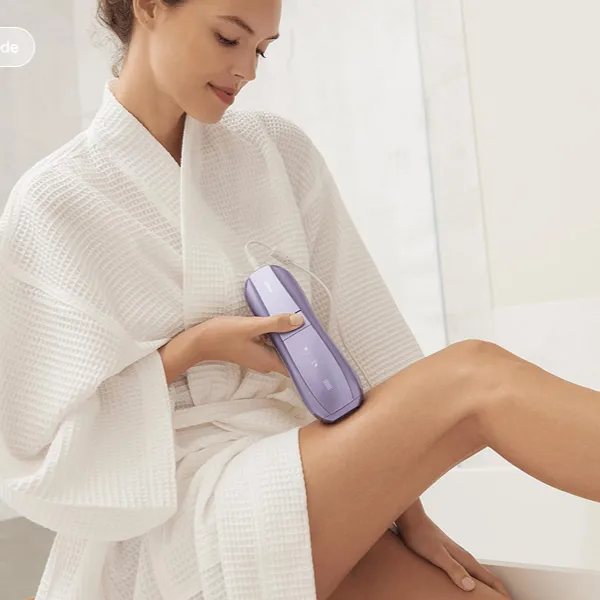
Cooling can reduce surface heat
A cooler treatment window may reduce the hot feeling on the outer layer of the skin. That can help you keep the device steady instead of flinching or lifting it too soon.
It is still possible to over-treat an area, use the wrong intensity, or treat skin that should be left alone. Comfort should not be used as permission to ignore the device instructions.
It may help limit heat discomfort
Cooling can limit heat discomfort, but the result depends on the area, hair thickness, setting, and your own sensitivity. For example, lower-leg treatment at a moderate setting may feel easy, while the bikini line at a stronger setting can still feel noticeably sharp.
It does not prevent every skin reaction
Temporary redness, warmth, or mild sensitivity can still happen after IPL. Be more cautious if your skin is reactive, recently tanned, sunburned, broken, or irritated.
- Avoid flashing the same spot repeatedly.
- Do a patch test on a new area.
- Pause if the skin feels painful, hot, or unusually irritated.
Correct settings still matter
A cooling feature can make a higher setting feel easier than expected, which is exactly why you should not jump straight to maximum power. Start with the level recommended for your skin and area, then only increase if your skin responds calmly.
Beginners should prioritize a clear skin-tone chart, contact sensors, simple intensity controls, and understandable warnings. Cooling is helpful, but those basic safety features matter more than a cold-feeling window.
How Ulike uses ice cooling
Ulike is one of the better-known IPL brands for comfort-focused cooling. The appeal is not that cooling changes IPL into a different treatment, but that it can make repeated flashes feel easier during real at-home use.
If you are comparing Ulike models, think about how often you will use the device. Occasional small-area use and regular full-body sessions do not need the same level of comfort support.
Sapphire Ice Cooling on Air 10
Ulike Air 10 uses Sapphire Ice Cooling, with a sapphire contact window designed to help keep the treatment surface cooler during flashes. In practical terms, that can make larger areas feel less tiring and sensitive areas less intimidating.
Next-Gen Ice Cooling on Ulike X
Ulike X is designed specifically for coarse male body hair and includes Next-Gen Ice Cooling to help keep treatment more comfortable. This can be especially useful when treating larger areas or thicker hair, where repeated IPL flashes may otherwise feel warmer.
Continuous cooling during IPL treatment
Ulike’s cooling system stays active during treatment rather than cooling the skin only before or after a flash. This helps maintain a cooler contact surface as you move across the treatment area, making repeated flashes feel more consistent during longer sessions.
That steadier feel can also improve technique. When you are not pulling away from the snap, it is easier to keep the window flat and avoid messy gaps or too much overlap.
Added comfort during longer sessions
Longer sessions are where Ulike's cooling focus makes the most sense. Full legs, arms, or combined body areas can involve many flashes, and small discomforts become more noticeable over time.
For someone who wants year-round maintenance at home, added comfort may help keep the routine realistic. For someone buying a device for short-term use before a holiday, the main question is whether they will follow the schedule early enough for IPL to be worthwhile.
How to use cooling IPL safely
Use a cooling IPL device the same careful way you would use a standard IPL device. The first check is suitability, not comfort: your skin tone, hair color, treatment area, and skin condition all matter before the cooling feature becomes relevant.
Check skin and hair compatibility
IPL usually works best when the hair has enough pigment for the light to target and the skin tone is within the device's approved range. Darker hair often responds better, while gray, white, red, and very light blonde hair may respond poorly.
Before buying or using the device, check the manufacturer's skin-tone chart, hair-color guidance, and contraindications. Do not rely on cooling to make IPL suitable for recently tanned skin, irritated skin, or a skin tone outside the stated range.
Shave before treatment
Shave the area before IPL so the light is not wasted heating longer hair above the skin. A clean, smooth surface also helps the cooling window sit flat, which makes both the flash and the cooling feel more even.
Avoid waxing or plucking right before IPL because those methods remove the hair root that the light needs to target. If shaving makes your skin sensitive, shaving the day before may feel better than shaving immediately before treatment.
Start at a suitable intensity
Start lower than your ego wants to. The highest setting is not automatically the best setting, especially on underarms, bikini line, or facial areas.
- Use the device's recommended level first.
- Increase only if your skin stays calm.
- Lower the setting for sharper or more delicate areas.
- Stop if discomfort feels like burning rather than snapping warmth.
Keep full contact with the skin
The cooling surface only helps when it is actually touching the skin. Hold the device flat, use steady pressure, and move in organized sections rather than random passes.
This is especially important around curves such as knees, ankles, underarms, and the bikini line. If the contact is uneven, you may lose cooling, get inconsistent flashes, or miss patches.
Follow the device schedule
IPL is gradual, so random sessions rarely give the best result. Follow the schedule for the specific device, including the initial phase and any maintenance phase the brand recommends.
- Check compatibility before the first session.
- Patch test a small area and wait as instructed.
- Shave, clean, and dry the skin.
- Treat in neat sections without repeated flashes on one spot.
- Track sessions so you do not guess the timing later.
Conclusion
An ice-cooling IPL device is most worth it when comfort affects whether you will actually keep using it: sensitive areas, longer sessions, lower pain tolerance, or regular full-body maintenance. It is less important if you only treat a small area and already tolerate IPL well. Choose cooling as a comfort upgrade, not as a substitute for compatibility checks, sensible settings, and a routine you can realistically follow.