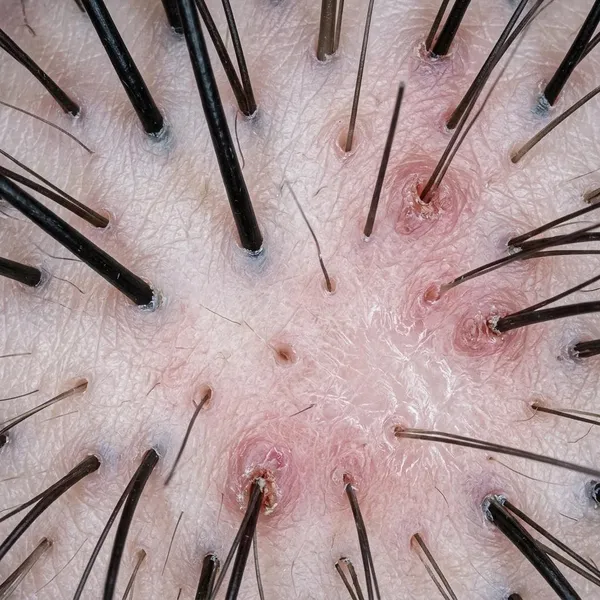
If you are choosing between ipl vs epilator, start with the result you want: an epilator removes hair today, while IPL is for reducing future regrowth over repeated sessions. IPL usually suits people who can follow a schedule and have compatible skin and hair; an epilator suits people who want immediate smoothness and do not mind root-level pulling.
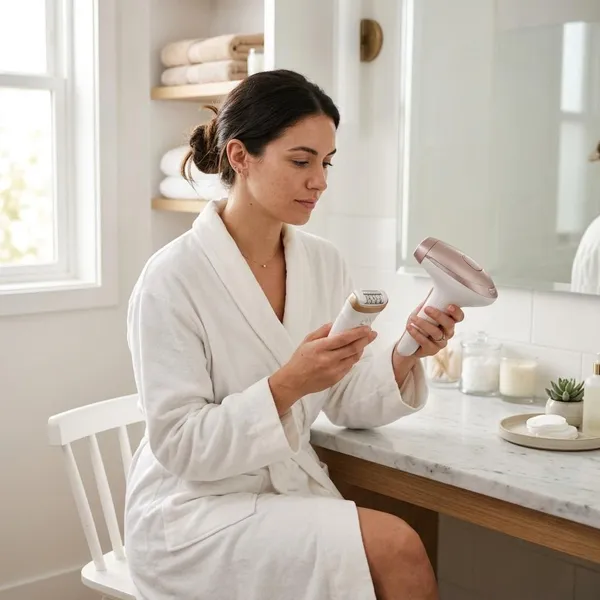
What is the difference between IPL and an epilator?
The real difference is not just the device shape or price. IPL targets the hair follicle with light so regrowth may become slower and finer over time. An epilator physically removes hair from the root, so the visible result is immediate but temporary.
IPL uses light to reduce regrowth
IPL stands for Intense Pulsed Light. The device flashes light into the hair, and darker pigment absorbs that light as heat. With consistent sessions, many suitable users notice that hair grows back more slowly, looks finer, or appears in patchier areas.
It is not instant hair removal. You usually shave before treatment, then keep repeating sessions according to the device schedule. IPL tends to work best when there is enough contrast between the hair and skin, such as darker hair on lighter to medium skin. If you tan easily or have deeper skin, the device's skin-tone chart is not a small detail; it is one of the first things to check before buying.
Epilators pull hair from the root
An epilator works more like a set of fast-moving tweezers. It grips multiple hairs and pulls them out from the root, which is why the skin can feel smooth straight after use.
This makes epilation useful for a last-minute situation, such as wanting smooth legs before a weekend away. It also works on hair colors that IPL often struggles with. The downside is obvious: pulling hair from the root can hurt, especially on the first few uses, on coarse hair, or around underarms and the bikini line.
How do IPL and epilator results compare?
The results feel different because the methods solve different problems. An epilator deals with hair that is already there. IPL is more about making future hair growth less frequent and less noticeable.
If you need a same-day result, IPL will probably feel disappointing at first. If you are tired of repeating hair removal all year and your skin and hair are suitable, IPL may be more rewarding after the early treatment phase.
Gradual reduction versus immediate removal
Epilation gives the faster visible result: use the device, remove the hair, and the area feels smoother right away. That is why it is practical before a holiday, event, or any situation where you care about how your skin looks now.
IPL is slower. Some hair may shed after treatment, but the main change is gradual reduction across several sessions. A useful way to think about it is this: epilation is a grooming fix; IPL is a longer routine aimed at needing fewer fixes later.
Regrowth between treatments
After epilation, regrowth usually returns in scattered stages because hairs are not all on the same cycle. Many people find it softer than shaving stubble, but it still comes back and needs repeating.
With IPL, regrowth may become finer or patchier if the treatment is working. During an IPL plan, avoid pulling out the same hairs with an epilator or wax because the light needs pigment in the follicle area to target. Shaving between IPL sessions is usually the better choice.
Maintenance and repeat use
Epilation is flexible: you can use it when the hair is long enough for the device to grip. IPL is less flexible at the start because skipped sessions can slow your progress.
- Choose epilation for occasional use: good when you want quick smoothness without planning weeks ahead.
- Choose IPL for long-term upkeep: better if you can follow a schedule and want regrowth to become easier to manage.
- Do not mix methods carelessly: shaving works with IPL; root removal can interfere with it.
How do discomfort and skin risks compare?
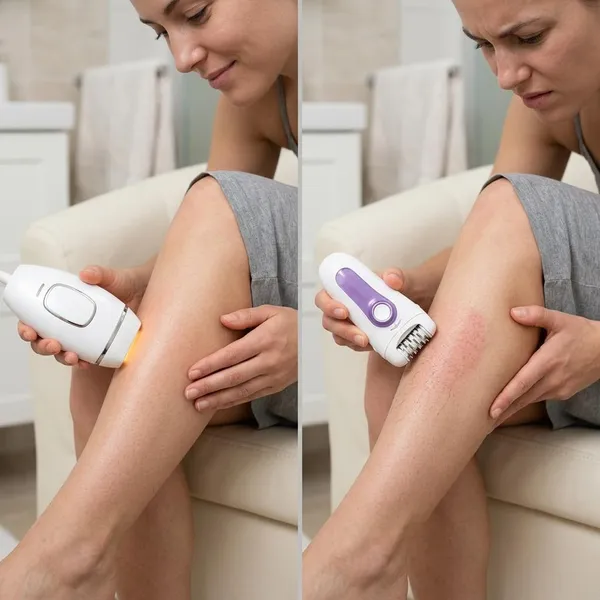
Most people find an epilator more painful than IPL because it pulls hair out instead of warming the follicle with light. But comfort is not the only risk to compare. Redness, bumps, ingrown hairs, recent sun exposure, tattoos, and irritated skin can all change which method is sensible.
If your skin reacts easily, test a small area first rather than treating a whole leg, underarm, or bikini line in one go. That small check can save you from several days of avoidable irritation.
Heat sensations versus pulling
IPL usually feels like warmth, a quick snap, or a mild sting. Higher settings can feel sharper, so the safest practical approach is to start within the device's recommended range and increase only if your skin tolerates it.
Epilation is a pulling sensation, and there is no real way around that. Shorter hair is usually easier than long hair, and the first session is often the worst. If you already know you hate waxing or tweezing, an epilator may be a poor match even if it looks cheaper.
Redness and irritation
IPL can leave temporary warmth or pinkness, especially if the setting is too high or the skin has recently been exposed to sun. Epilation often causes more visible redness and small raised bumps because each hair is being removed by force.
Ingrown hairs
Epilators carry the higher ingrown-hair risk because the hair has to grow back through the skin after being pulled from the root. This is more likely if your hair is coarse, curly, or dense.
IPL may be a better long-term choice for someone who gets bumps every time they wax or epilate, provided the skin and hair are suitable. It is not a guaranteed cure for ingrowns, but reducing regrowth can reduce the cycle that causes them.
Device-specific precautions
IPL needs stricter safety checks before use. Do not use it over fresh tans, sunburn, unsuitable skin tones, or areas where the device instructions say not to treat. Eye safety and facial-use rules also matter, especially around the upper lip or jawline.
Epilators have simpler but still important precautions. Clean the head regularly, avoid broken or infected skin, and do not press hard to "force" a better result. Pressure can increase irritation without helping the device grip hair properly.
How to choose between IPL and an epilator
The best choice is usually clear once you rank three things: suitability, pain tolerance, and routine. Suitability comes first because an IPL device that does not match your hair and skin is unlikely to be worth the money. After that, choose the method you can realistically keep using.
Choose your goal for hair removal
Pick an epilator if your main goal is immediate removal. It is a practical choice for temporary smoothness, lighter hair colors, or anyone who wants one device that works without a long treatment plan.
Pick IPL if your goal is to reduce future maintenance. This suits someone thinking in months rather than days, such as a person who shaves constantly in summer and wants regrowth to feel easier by the next season.
Weigh discomfort against results
Do not ignore pain just because a method looks effective on paper. A painful device often becomes an unused device. If pulling hair from the root sounds unbearable, IPL is usually the more realistic option if you are a suitable candidate.
- Low pain tolerance: lean toward IPL, with conservative settings.
- Need instant smoothness: accept that epilation may hurt more.
- Very reactive skin: patch test either method before committing.
Match upkeep to your routine
IPL rewards consistency early on. If you are likely to forget sessions or stop after two weeks, the long-term benefit may never really show. An epilator is easier for people who prefer dealing with hair only when it becomes visible.
For a busy routine, this difference matters more than small feature comparisons. A structured person may do well with IPL reminders. Someone who wants a quick Sunday-night grooming tool may be happier with an epilator.
Compare suitable devices within your budget
Epilators usually cost less upfront, while IPL devices often require a higher initial spend. Price alone should not decide it, though. A budget IPL device is still wasted money if it is not approved for your skin tone or cannot target your hair color.
Before buying, check these in order:
- Compatibility: hair color, skin tone, body areas, and any brand restrictions.
- Comfort features: intensity levels, attachments, cooling, or wet/dry use where relevant.
- Real upkeep: whether you want a schedule-based routine or on-demand removal.
- Total value: not the cheapest device, but the one you will actually use correctly.
Conclusion
Choose an epilator when you want hair gone now, your hair is not suitable for IPL, or you prefer a lower-cost tool you can use on demand. Choose IPL when your skin and hair are compatible, you can follow the early schedule, and your bigger goal is less regrowth over time. The better device is not the most advanced one; it is the one that fits your body and routine well enough that you will keep using it safely.