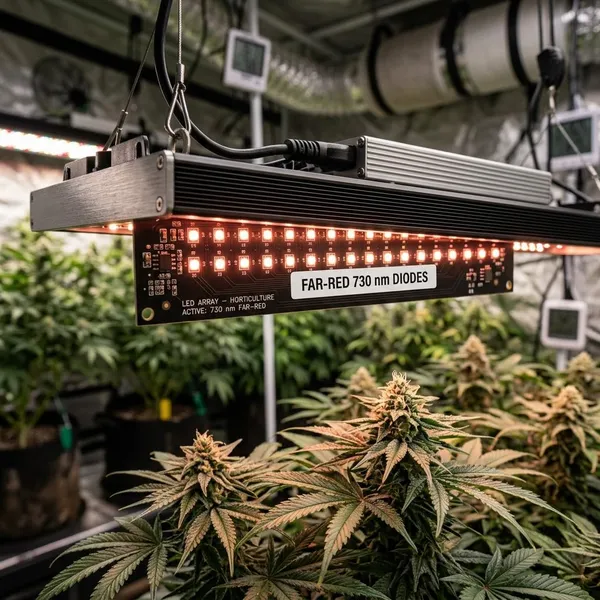
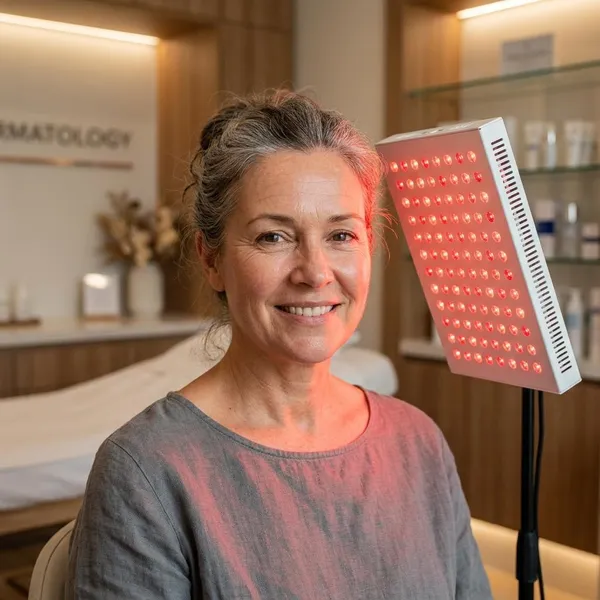
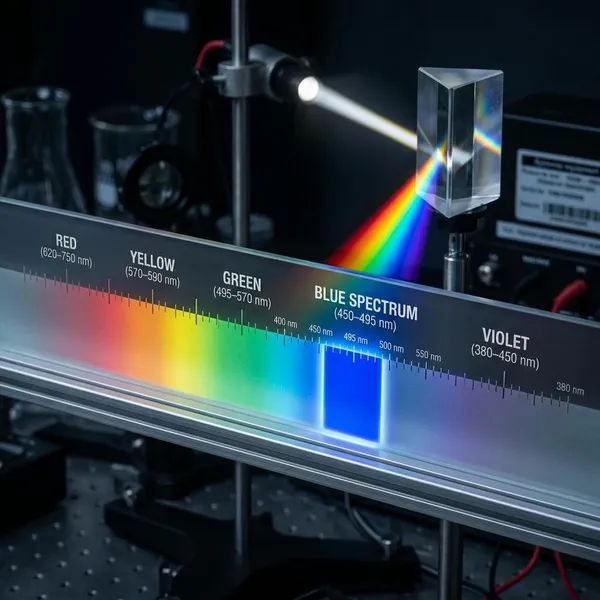
Multi-wavelength red and near-infrared light therapy panels are worth buying only when the extra wavelengths are verified, strong enough to matter, and useful for your routine. If the choice is between a well-tested 660nm/850nm panel and a vague "7-wavelength" panel with weak data, the simpler panel is usually the safer buy.
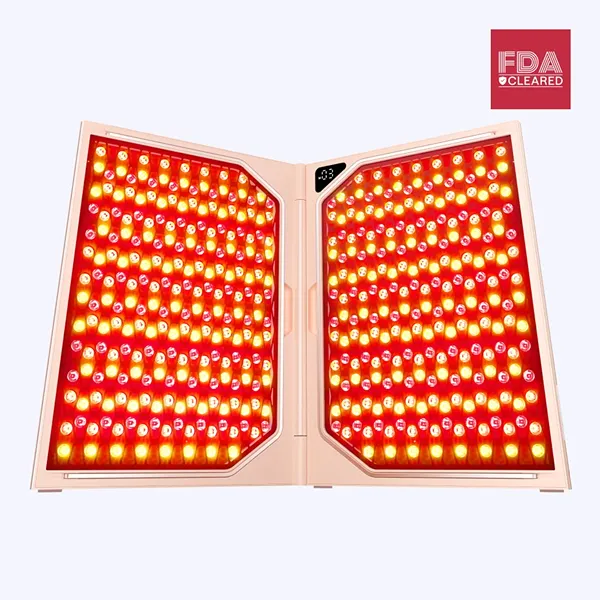
Multi Wavelength vs Dual Wavelength Panels
The real comparison is not "more wavelengths equals better." A dual-wavelength panel usually gives you one red wavelength and one near-infrared wavelength, while a premium panel spreads its output across several red and NIR peaks. That can be helpful, but only if the panel still delivers useful power at the distance you will actually use.
For most buyers, the first decision is simple: choose a strong dual-wavelength panel if you want value and straightforward use; consider a multi-wavelength panel if you have mixed goals, several people using the same device, or a reason to want broader red and NIR coverage.
Common 660nm and 850nm dual-wavelength setups
A 660nm/850nm panel is the practical baseline for home use. It gives you a common red wavelength for surface-level routines and a common near-infrared wavelength for deeper-use goals, without forcing you to pay for a long wavelength list.
- Best fit: first-time buyers, budget-conscious users, and simple skin or recovery routines.
- Main advantage: easier to compare because you can focus on output, size, warranty, and testing.
- Watch out for: brands that show high irradiance only at unrealistically close distances.
If your use is occasional—such as face, knees, shoulders, or general post-workout sessions a few times a week—a well-built dual panel may be all you need. Paying more makes less sense if the extra wavelengths do not change how you will actually use the device.
Additional wavelengths in premium panels
Premium panels often add wavelengths such as 630nm, 810nm, and 830nm to the usual 660nm and 850nm mix. That can make the panel more flexible: one person may use it for facial routines, while another wants larger-area recovery after training.
The added cost is easier to justify when the panel also improves the things you notice every week: separate red and NIR controls, quieter cooling, better mounting, more even coverage, a stronger warranty, or modular expansion. Extra wavelengths alone are not enough.
A useful rule: do not pay premium pricing unless the brand shows model-level testing. If the added peaks are weak, unverified, or buried behind vague marketing claims, you may be buying a more complicated spec sheet rather than a better panel.
Which Wavelengths Matter Most in Light Therapy Panels?
The main wavelengths to understand are 630nm and 660nm for more surface-level skin goals, and 810nm, 830nm, and 850nm for deeper applications. Other wavelengths can be interesting, but they should not outrank verified core red and near-infrared performance.
630nm and 660nm for surface-level skin goals
For skin-focused use, 630nm and 660nm are usually the red wavelengths worth caring about most. They are commonly used in panels aimed at facial appearance, tone, and other surface-level routines.
Coverage matters here more than many buyers expect. If you mainly treat your face, neck, chest, or hands, an evenly lit compact or mid-size panel may be more useful than a huge, expensive unit. A narrow hotspot can make facial sessions awkward, even if the product page lists the right wavelengths.
810nm, 830nm, and 850nm for deeper applications
Near-infrared wavelengths such as 810nm, 830nm, and 850nm are more relevant when your goal is muscle recovery, joint comfort, or larger body areas. Since NIR is mostly invisible, brightness is not a reliable sign of output.
830nm can be a good feature, but it should not be treated as magic. It is most convincing when it appears in a panel with transparent testing, useful irradiance at normal distance, and enough size for the areas you want to treat.
Other wavelengths as optional features
Amber, blue, 940nm, 1060nm, or other less common options should usually be treated as bonuses. They may interest advanced users, but they should not rescue a panel that is weak in the main red and NIR ranges.
How to Compare Red Light Therapy Panels Before Buying
Compare panels in this order: verified wavelengths first, realistic irradiance second, usable coverage third, and build quality after that. LED count, app controls, and luxury design are secondary unless the basics are already strong.
Verified wavelength accuracy and testing data
Ask whether the listed wavelengths were measured on the actual model being sold. A vague lab badge or broad "tested technology" claim is much less useful than a report showing the measured peaks for that specific panel.
- Better sign: model-level spectrometer data with clear wavelength peaks.
- Weaker sign: only a marketing chart with no testing method.
- Red flag: many wavelengths advertised but no proof that each one contributes meaningful output.
Irradiance at realistic treatment distance
Irradiance is useful only when the measurement distance matches real use. A number taken very close to the LEDs can look impressive but may not tell you much about standing or sitting farther away during a normal session.
A practical check is to compare output at the distance you expect to use, not just the highest number on the page. For many panel routines, comfort, even coverage, and repeatable session time matter more than chasing the largest peak reading.
- Find the stated distance. If it is missing, the number is hard to judge.
- Look for edge coverage. A strong center hotspot is not the same as useful coverage.
- Match power to routine. More intensity is not automatically better if it makes sessions uncomfortable.
Panel size coverage and treatment convenience
Panel size decides whether your routine feels easy or annoying. A small panel can be perfect for a face, knee, wrist, or shoulder. The same small panel becomes frustrating if you want to cover your back, thighs, torso, or several areas in one session.
For long-term use, convenience is not a small detail. A panel that is easy to mount, quiet enough to tolerate, and quick to position is more likely to become part of your routine. If setup feels like a chore, premium specs will not help much.
Build quality cooling warranty and support
Build quality matters because these panels are often used repeatedly for months or years. Cooling, housing quality, power stability, and fan noise can affect both comfort and lifespan.
- Cooling: the panel should not feel unstable, excessively noisy, or poorly ventilated during normal use.
- Warranty: longer coverage is useful only if the terms are clear and the company is reachable.
- Support: check how the brand handles missing parts, power issues, shipping damage, and replacements.
Which Type of Panel Fits Your Goal?
The best panel is the one that matches your main use case. Skin routines, recovery routines, full-body sessions, and targeted treatment do not all need the same size, wavelength mix, or budget.
Panels for skin-focused routines
If your routine is mainly face, neck, chest, or hands, prioritize red output, even coverage, and easy positioning. A compact or mid-size panel can be a smarter purchase than a large premium unit that takes up space and adds wavelengths you rarely need.
A good skin-focused setup should be simple enough to use consistently. For someone doing short sessions several times a week at a desk or vanity area, quiet operation and easy placement may matter more than advanced controls.
Panels for muscle and recovery goals
For soreness, training recovery, or larger muscle groups, near-infrared output and coverage become more important. A verified 660nm/850nm panel can still be a sensible choice, while 810nm and 830nm are worth considering if the panel is well tested.
An active user treating quads, hamstrings, calves, shoulders, or back will usually benefit more from a larger usable light field than from tiny differences in the wavelength list. If you have to reposition the panel five times after every workout, consistency will suffer.
Panels for full-body treatment
Full-body treatment is where panel size often beats extra features. A small panel can work, but only if you accept longer sessions and more repositioning. Taller, wider, or modular systems make more sense when you want broad coverage in fewer positions.
This is also where premium multi-wavelength panels can be worth buying. A household using one panel for skin, recovery, and general wellness may get real value from broader coverage and better controls, provided the panel has verified output and reliable support.
Panels for targeted treatment areas
For one knee, one shoulder, elbows, wrists, lower back spots, or a small facial area, a smaller panel can be the most practical option. You do not need full-body size if the treatment area is predictable and limited.
This can be a sensible entry point for first-time buyers. Start with the area you actually want to treat, then upgrade later only if you find yourself needing more coverage or more flexible controls.
Conclusion
A premium multi-wavelength panel is worth buying when it solves a real problem for you: broader household use, larger coverage, better controls, verified wavelength accuracy, and dependable build quality. If your needs are simple or your budget is tight, a well-tested 660nm/850nm panel is often the better-value choice; the panel to avoid is the one that sells extra wavelengths without proving useful output.