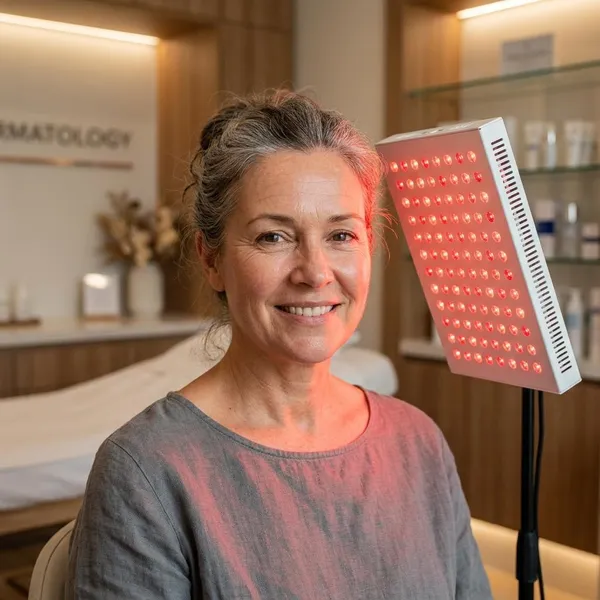
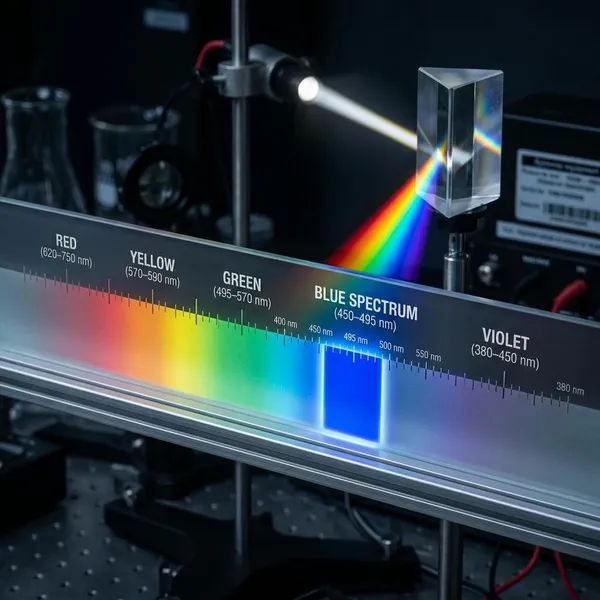
If you are looking at red light therapy masks at a wavelength of 630 nanometers, the main thing to know is that they are usually chosen for surface-level skin goals: smoother-looking texture, softer-looking early lines, and a calmer-looking complexion. They are not a quick fix or a replacement for sunscreen, moisturizer, or medical care, but they can be a useful low-effort step if you are willing to use the mask consistently and follow the device instructions.
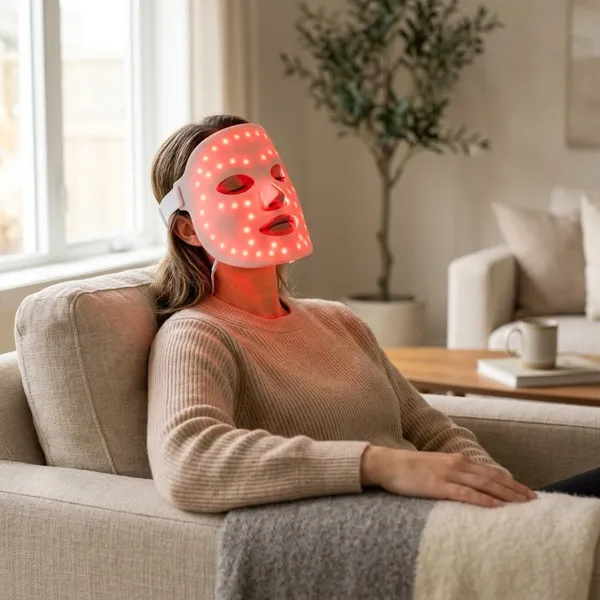
What are the benefits of 630 nm red light therapy?
The appeal of 630 nm red light is that it focuses on visible skin appearance rather than deep tissue treatment. For many home users, that makes it a better match for everyday concerns such as dull texture, mild visible redness, and early fine lines.
Set your expectations in weeks, not days. A mask may leave skin looking a little fresher after use, but the more meaningful changes usually come from a steady routine. If you only use it once before an event, think of it as a gentle skin-support step, not a dramatic treatment.
Supports smoother-looking skin
A 630 nm mask may help rough or tired-looking skin appear more refined over time. This is most useful if your skin looks uneven in daylight, makeup catches on dry-looking patches, or the forehead and cheeks look less smooth than the rest of the face.
Helps soften the look of fine lines
Fine lines caused or emphasized by dryness often look more noticeable than they need to. Regular 630 nm red light use may support a slightly smoother, more rested look, especially around early lines near the eyes, forehead, and mouth.
Deep wrinkles are a different situation. A home mask is unlikely to create a fast or dramatic change there, so it is better viewed as maintenance support rather than a corrective treatment.
Helps calm visible redness
Visible redness is one of the reasons people consider this wavelength for the face. If your skin often looks flushed after weather changes, a strong skincare product, or a long day outside, 630 nm red light may help support a calmer-looking complexion with repeated use.
Be more cautious if redness is persistent, painful, hot to the touch, or linked to a diagnosed skin condition. In that case, the better first step is professional advice rather than adding another device and hoping it solves the problem.
Supports more even skin texture
For texture, the value is usually subtle but practical: skin may catch light more evenly, base makeup may sit better, and patchy-looking areas may become less obvious. This is where consistent long-term use matters more than doing extra-long sessions now and then.
How does 630 nm red light work on the skin?
630 nm is visible red light. In skincare masks, it is generally used for cosmetic, surface-focused goals because the light is aimed at the upper layers of the skin rather than deeper body structures.
Light is absorbed by skin cells
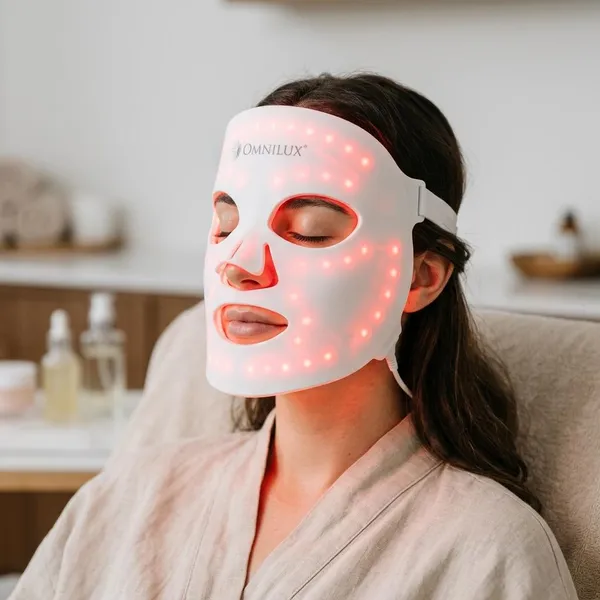
During a session, the mask shines red light across the face and some of that light is absorbed by skin tissue near the surface. Even exposure matters here: a mask that leaves large gaps around the cheeks, nose, or chin may give a less balanced treatment than one that sits evenly.
Cellular activity responds to the light
The response is often discussed in relation to cell energy and normal skin renewal processes. For a regular user, the important point is not the technical language; it is that the mask is designed to support gradual skin appearance changes rather than force an instant visible result.
- Normal sensation: mild warmth or no strong feeling at all.
- Warning sign: stinging, burning, eye discomfort, or irritation that continues after use.
- Practical check: compare your skin before starting and after several weeks in the same lighting.
Skin changes build with repeated use
Most people need repeated sessions before they can judge whether the mask is worth keeping in the routine. A realistic pattern might be calmer-looking skin first, then smoother texture, then a softer look to early lines if the device and routine suit your skin.
How to use a 630 nm red light therapy mask
The best routine is simple: clean skin, correct fit, the recommended session length, and steady use. Do not try to make the treatment "stronger" by adding random extra time, especially if the brand gives a clear schedule.
If you are new to LED masks, start conservatively and watch how your skin reacts. People with very reactive skin, light sensitivity, eye concerns, or medical conditions should be more cautious and check whether the device instructions advise medical guidance first.
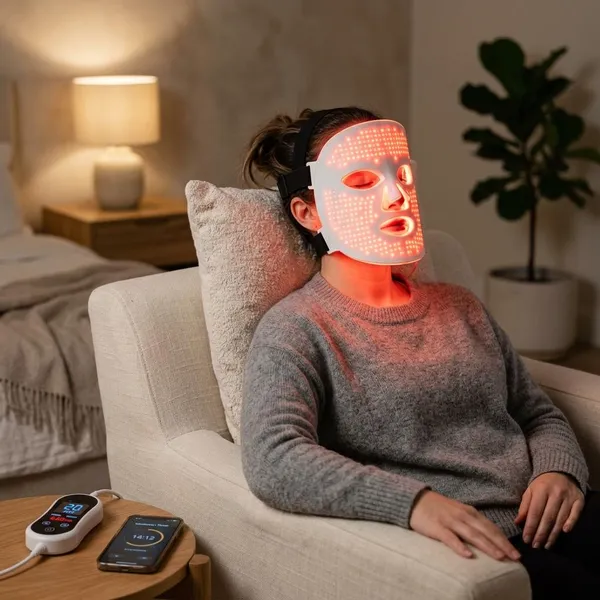
Start with clean, dry skin
Use the mask after cleansing and drying your face. Heavy sunscreen, makeup, thick oils, or leftover exfoliating products can make the session feel messy and may make it harder to judge how your skin responds.
Wear the mask as directed
Fit is not just about comfort. The mask should sit close enough to give the main face areas similar exposure without pressing painfully or shifting every few minutes.
If your mask has eye shields, straps, treatment modes, or distance guidance, follow those details instead of guessing. This matters more for beginners because small setup mistakes can turn an easy routine into an inconsistent one.
Follow the recommended session time
Use the session length provided by the manufacturer. Longer sessions are not automatically better and may increase the chance of temporary sensitivity for some users.
- Better choice: a short session you can repeat as directed.
- Common mistake: doubling the time because results feel slow.
- Useful habit: set a timer if the mask does not shut off automatically.
Keep a consistent routine
Attach the mask to a routine you already do, such as after evening cleansing and before moisturizer. That works better than waiting for the "perfect" skincare night and then forgetting for two weeks.
For occasional use before a special day, keep expectations modest. For long-term skin support, consistency is the part that makes the device worth evaluating.
What to look for in a 630 nm red light mask
Before comparing beauty claims, check the basics: wavelength, output information, coverage, comfort, and safety instructions. Those details tell you more than dramatic before-and-after language.
A good mask should be easy enough to use several times per week. If it is vague, uncomfortable, or hard to position, even promising specs may not matter much in daily life.
Clearly listed wavelength
Look for a device that clearly states 630 nm rather than only saying "red light" or "LED skincare." Clear labeling makes it easier to know what you are buying and compare it with masks that use 660 nm, near-infrared, or mixed wavelengths.
Irradiance and treatment dose
Irradiance and dose describe how much light the device is intended to deliver during treatment. You do not need to become a technician, but the brand should give enough information to connect output with the recommended session time.
Full and even face coverage
Choose a mask that covers the forehead, cheeks, chin, and around the mouth as evenly as possible. This matters because texture, redness, and fine lines are usually spread across the face rather than sitting in one neat spot.
Comfortable fit
Comfort is not a luxury feature if you plan to use the mask regularly. A heavy mask, tight nose bridge, awkward strap, or stiff shape can quickly turn into a device that stays in a drawer.
For daily or near-daily users, comfort may be just as important as technical claims. For occasional users, a less perfect fit may be tolerable, but it still should not cause pain, pressure marks, or eye discomfort.
Clear safety instructions
A reliable mask should explain session length, frequency, eye precautions, cleaning, charging, storage, and situations where a user should be cautious. This is especially important if you have sensitive skin, use strong skincare actives, take medications linked with light sensitivity, or have a medical condition that could affect device use.
Conclusion
A 630 nm red light mask makes the most sense if your goal is gradual, surface-level skin support and you are willing to use it properly rather than chase quick results. Start by checking the wavelength, coverage, comfort, and instructions; if those basics are weak, the mask is probably not the best place to spend your skincare budget.