If you are comparing red light therapy wavelengths 630-660 nm, treat them as skin-focused visible red light rather than a magic number on a product page. Both 630 nm and 660 nm can be useful, but the device's dose, coverage, distance, and safety instructions usually matter more than choosing one number over the other.
What are 630 to 660 nm red light therapy wavelengths?
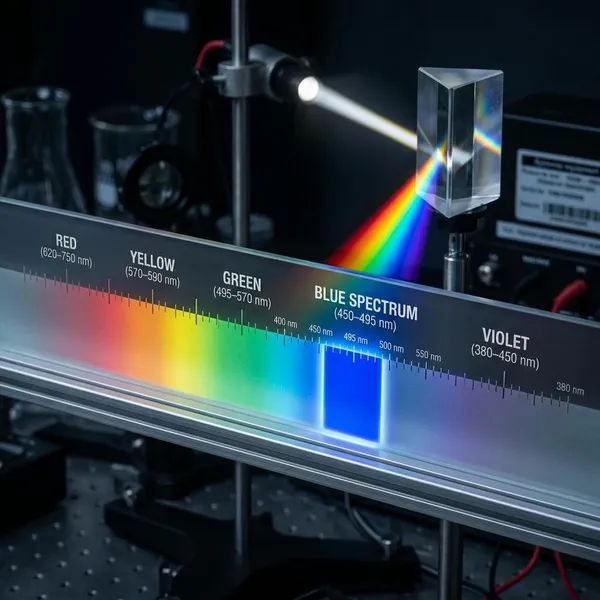
Wavelengths from 630 to 660 nm sit in the visible red part of the light spectrum. In home devices, they are most often used for cosmetic skin goals, especially on the face, neck, and other surface-level treatment areas.
They fall within the visible red light range
Light around 630 to 660 nm appears red to the human eye, so you can see it during a session. That separates it from near-infrared light, which is usually invisible even when it is active.
This difference matters when shopping. A mask glowing red is not automatically using near-infrared, and a device that combines red and near-infrared should clearly list both wavelength ranges rather than blending them into one vague claim.
They are widely used for skin-focused treatment
Face masks, compact panels, and handheld beauty tools often use 630 nm, 660 nm, or a mix of nearby red wavelengths because the target is close to the skin surface. These devices are commonly chosen for dullness, uneven-looking tone, fine lines, and visible redness.
For a full-face routine, even coverage usually matters more than chasing a tiny wavelength difference. For a small area around the jawline or one patch of uneven tone, a handheld device can make sense if it is not so slow that you stop using it.
They work through photobiomodulation
Photobiomodulation means the light is used as a biological signal rather than as heat or controlled injury. When the dose is appropriate, skin cells may respond in ways that support normal renewal and recovery processes.
- Not a peel: red light should not burn or strip the skin when used correctly.
- Not instant: visible changes usually build gradually with repeated sessions.
- Not wavelength-only: output, distance, time, and coverage shape the real treatment effect.
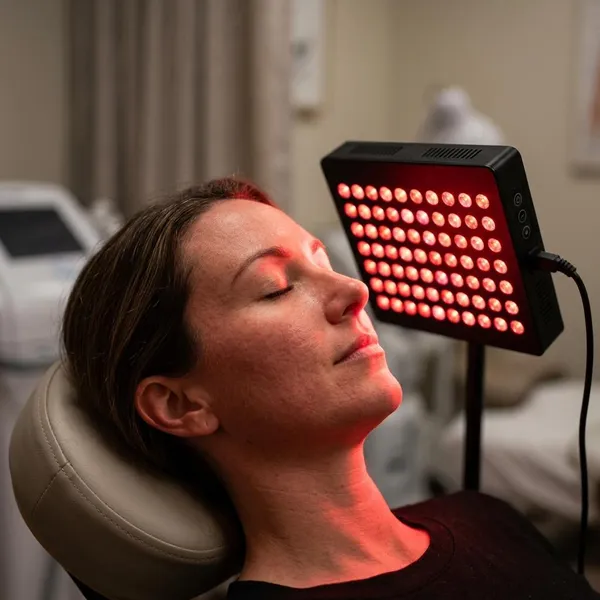
How does 630 to 660 nm red light work?
During treatment, red light reaches the skin, some of that light is absorbed by tissue, and cells respond to the light exposure. Most home users do not feel much beyond warmth from the device itself, so results are judged over weeks rather than minutes.
Skin tissue absorbs the light
Visible red light in this range is commonly used for surface and near-surface skin goals. That makes it a sensible choice for facial appearance concerns, but it also means it should not be confused with longer wavelengths often marketed for deeper targets.
Cells respond to the light energy
The response is often explained through cellular energy processes, including mitochondria. For a home user, the more useful takeaway is that the skin needs an appropriate dose: too little light may be ineffective, while simply adding more time is not automatically better.
If a device gives clear instructions for distance and session length, follow those before adjusting anything. If the instructions are vague or only promote "maximum power," that is a reason to be cautious.
Treatment effects build with repeated exposure
Red light therapy is closer to a maintenance habit than a one-off facial treatment. A realistic routine used several times a week according to the device instructions is usually more sensible than occasional long sessions.
- Use the same setup: keep distance, angle, and session time consistent.
- Give it time: judge changes over weeks, not after one use.
- Track simply: take photos in similar lighting if you want a fair comparison.
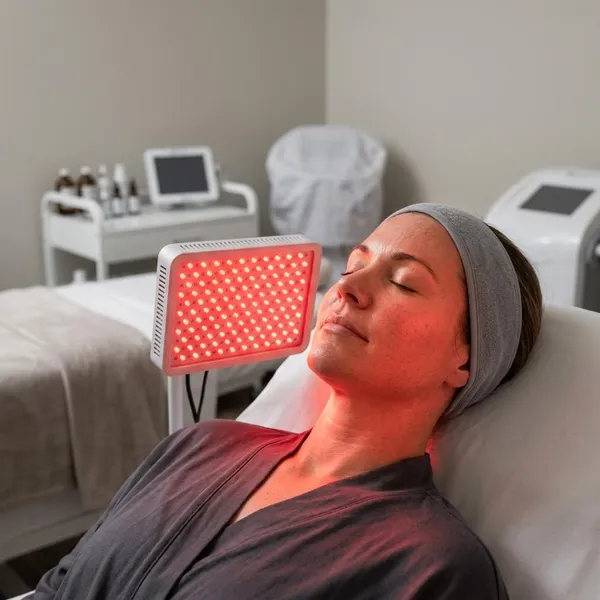
What is 630 to 660 nm red light used for?
This wavelength range is mainly used for appearance-related skin goals. It is a good fit for people who want a gentle add-on to a routine, but it should not be treated as a replacement for medical care when redness, irritation, wounds, or skin changes need professional advice.
Fine lines and skin aging
For fine lines, 630 to 660 nm red light is usually used as a gradual support tool. The most realistic expectation is skin that may look a little smoother or fresher with consistent use, not a dramatic lifting effect.
It fits best for someone building a long-term skincare routine around sunscreen, gentle products, and steady habits. If you want a fast change before an event next week, this is probably not the treatment to rely on by itself.
Skin texture and tone
Texture and tone are broad concerns, so coverage becomes important. A full-face device can be more practical than a pinpoint tool when the cheeks, forehead, and jawline all need similar exposure.
Visible redness
Some people use red light to support calmer-looking skin, especially when they prefer not to add another exfoliant or active ingredient. Keep expectations cautious, because visible redness can come from many causes and not all of them respond the same way.
If redness is sudden, painful, spreading, or linked with a known skin condition, do not use a beauty device as your main answer. In that situation, it is safer to get appropriate medical or dermatology guidance first.
Surface skin recovery
Red light in this range is often used after mild cosmetic stress or during periods when skin feels overworked, as long as the device instructions allow that use. The appeal is that it does not require rubbing in another strong product.
- After a simple skincare reset: it may suit someone keeping products gentle for a while.
- After aggressive treatments: check professional advice first, especially after lasers, peels, or procedures.
- For irritated skin: stop if the device causes discomfort or unusual sensitivity.
How to choose between 630 nm and 660 nm
The better choice is rarely decided by wavelength alone. Start with the device's intended use, then compare delivered light, treatment area, comfort, and how clearly the brand explains safe use.
Match the wavelength to the device design
A 630 nm facial mask may be designed for close, even exposure across the face. A 660 nm panel may be built for a larger treatment area or a different setup distance. Neither design is automatically better unless it matches how you plan to use it.
| Use situation | More practical device check |
|---|---|
| Full-face skincare routine | Even LED layout, comfortable fit, clear eye guidance |
| Small target area | Handheld control, enough output, reasonable treatment time |
| Shared household use | Adjustable positioning, easy cleaning, simple timer |
Compare the delivered light dose
Look for irradiance or output information measured at a stated distance, not only a bold wavelength claim. Dose depends on how much light reaches the skin during the recommended session.
When specifications are missing, use practical clues: Does the brand state the treatment distance? Is there a timer? Are instructions specific for the face or body area? A transparent 630 nm device may be a safer purchase than a flashy 660 nm device with unclear dosing information.
Check treatment coverage
Coverage decides whether the right areas receive light evenly. For facial tone or overall texture, a mask or panel can save time and reduce patchy use. For a small scar-like area or a narrow zone of concern, a compact device may be enough.
Prioritize overall performance over wavelength alone
If two devices are both in the red range, choose the one that is easier to use correctly. Comfort, timer controls, treatment distance, eye-safety guidance, return policy, and clear specifications all affect whether the device becomes a routine or ends up in a drawer.
- Check first: wavelength, irradiance at distance, session time, and coverage.
- Check second: comfort, timer, setup time, and cleaning needs.
- Be wary of: "professional grade" claims with no usable dosing details.
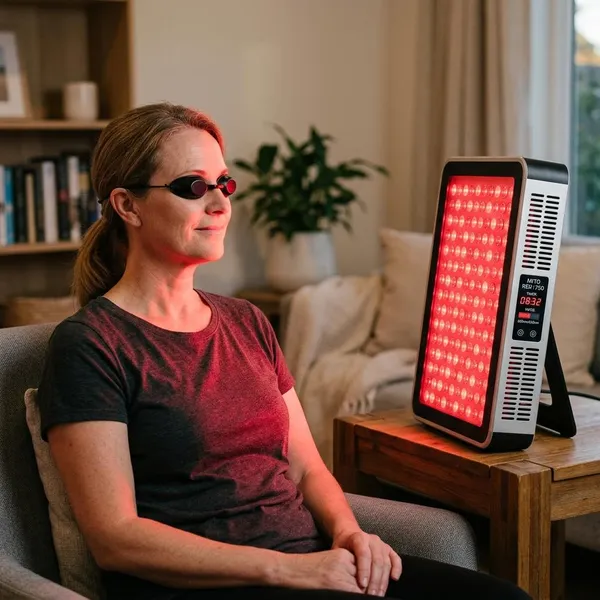
How to use 630 to 660 nm red light safely
Safe use comes down to keeping the dose controlled. Follow the device instructions, protect your eyes as directed, and avoid turning a gentle routine into an excessive one.
Follow the recommended session time
Use the treatment time given by the manufacturer, because it should be based on the device's output and intended distance. Longer sessions may feel more committed, but they do not guarantee better results.
Keep the recommended treatment distance
Distance changes how much light reaches the skin. A device meant to touch the face, a mask meant to sit close to the skin, and a panel meant to stand several inches away are not used the same way.
Follow the device eye-safety guidance
Eye instructions are not optional. Some facial devices are designed for use with eyes closed, while others recommend goggles or avoiding direct viewing of the LEDs.
If the light feels painfully bright, causes discomfort, or the product gives unclear instructions for facial use, pause and reassess before continuing. Comfort is part of safe, repeatable use.
Avoid excessive exposure
More red light is not always more useful. Increasing time, frequency, or closeness can change the dose in ways that may not improve outcomes and may make irritation more likely for some users.
- Stop and review instructions if skin feels unusually irritated or sensitive.
- Be more cautious if you take photosensitizing medication or have a skin condition.
- Ask a professional before using it around recent procedures, active irritation, or uncertain skin changes.
Conclusion
For most home skincare routines, 630 nm and 660 nm are both reasonable red-light options when the device is well designed and used consistently. I would choose the clearer, easier-to-use device over the one that simply advertises the most impressive wavelength claim, especially if it gives specific instructions for distance, timing, coverage, and eye safety.